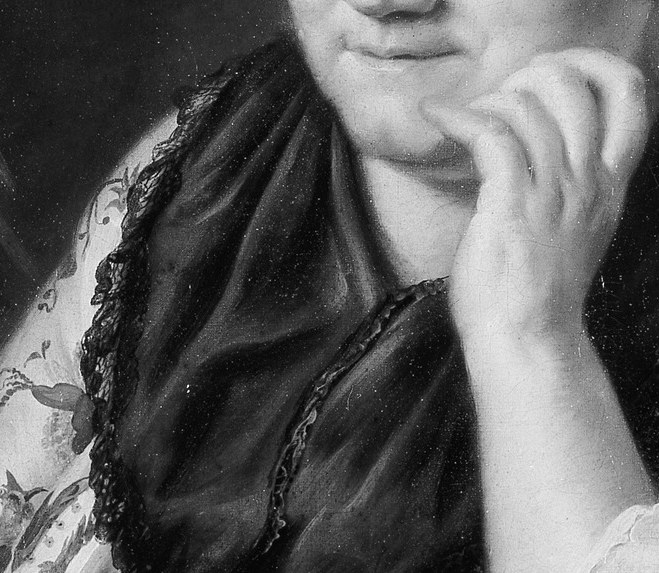
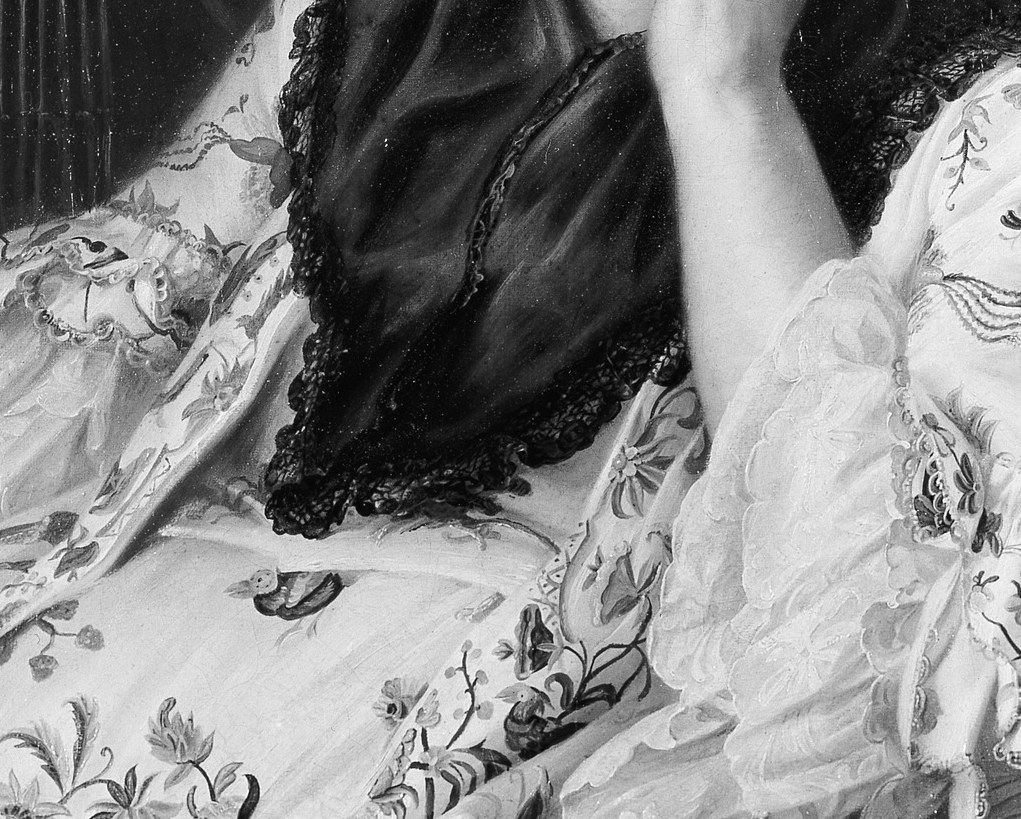
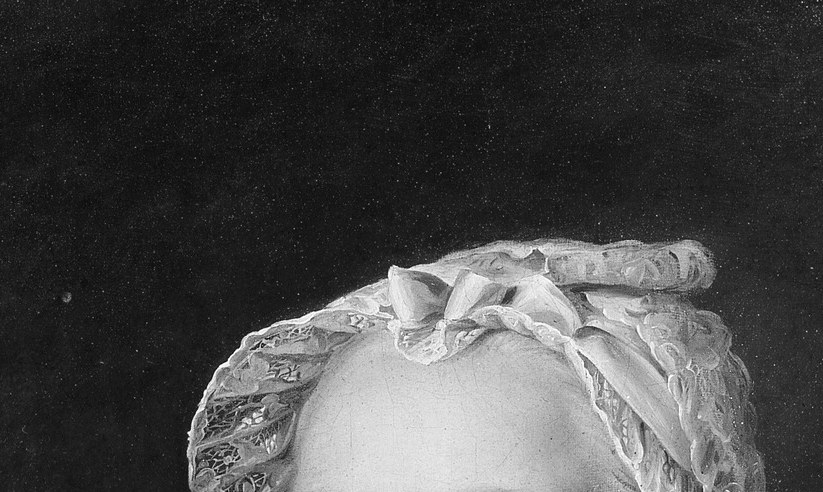
Portrait of a Woman by Johann Nikolaus Grooth
View the artwork: Portrait of a Woman →
John Singer Sargent's 'Madame X' is a portrait of a scandal. Painted in 1884, it was meant to be the crowning achievement of his Paris career, a striking profile of the American expatriate Virginie Amélie Avegno Gautreau, a known beauty in Parisian society. Instead of admiration, the painting met public outrage and mockery at the Salon, a debut so disastrous it effectively ended Sargent's career in France and drove him to London.
What you're seeing is a composition of deliberate provocations disguised as a formal portrait. Her pale, powdered skin against the severe black dress was considered theatrically risqué. The dress strap, painted slipping off her right shoulder, was the central offense, a suggestion of careless undress that a respectable married woman would never have allowed. Behind her left shoulder, a small parrot perches on the curtain, a subtle symbol at the time for holding onto a confidential secret.
The subject's mother begged Sargent to withdraw the painting, insisting her daughter's reputation was in ruins. Gautreau herself was humiliated. Sargent refused to take it down but later repainted the right strap to rest securely on her shoulder, the original offending position surviving now only in studies. He kept the portrait for over thirty years before selling it to the Metropolitan Museum of Art, calling it simply 'the best thing I have done.'
A painting meant to secure fame destroyed it instead, and then, slowly, rebuilt it into something lasting.
#arthistory #johnsingersargent #metmuseum
Details


Transcript
Paris, 1884. The Salon was the exhibition of the year. A society woman's portrait, they said. Painted by a rising American. But when the curtain parted, the room went silent. She wears black. A married woman would never. Her right strap has fallen. A deliberate, impossible choice. And the bird behind her: a symbol of holding onto a secret. Her name was leaked. Her reputation never recovered. The painter fled to London. He kept the painting for thirty years.