Still Life by Kalf, Willem
Willem Kalf's 'Still Life,' painted around 1660 and housed in a private collection, showcases his masterful ability to create 'pronkstilleven', luxurious still lifes that captivated viewers in the Dutch Golden Age.
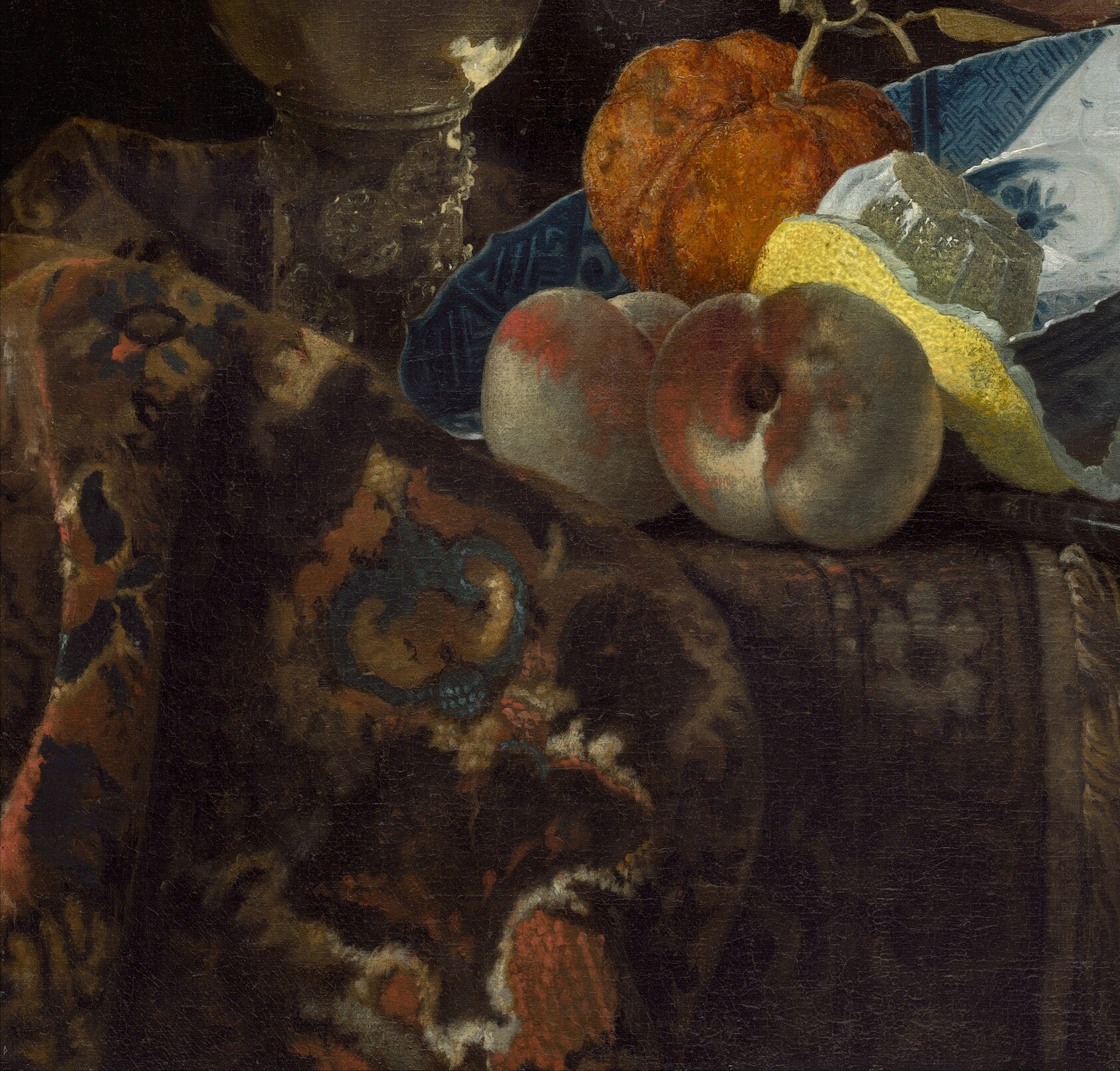
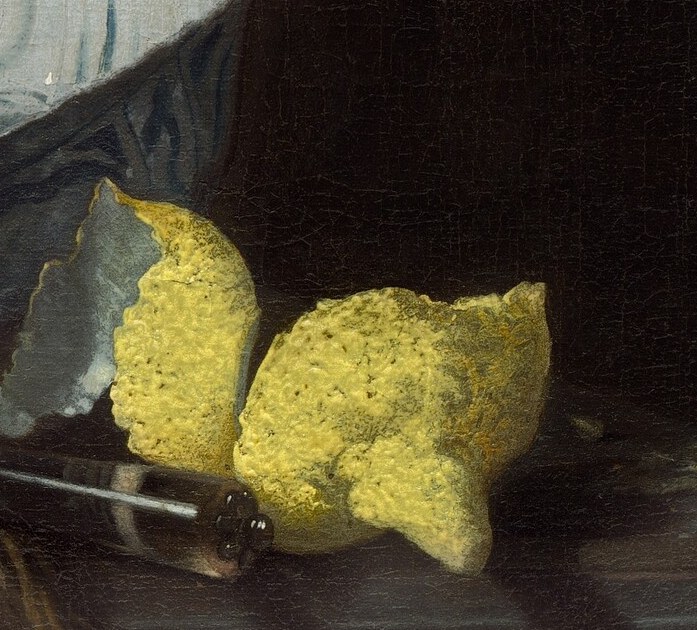
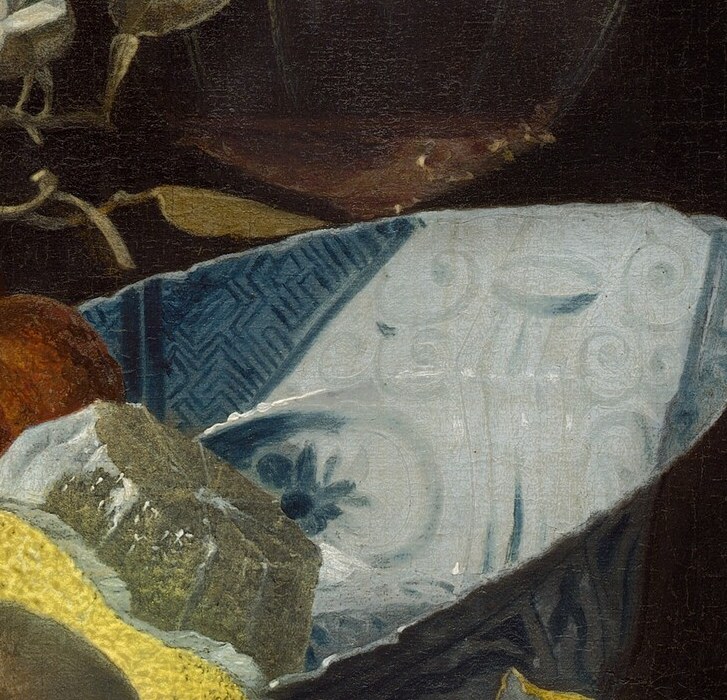
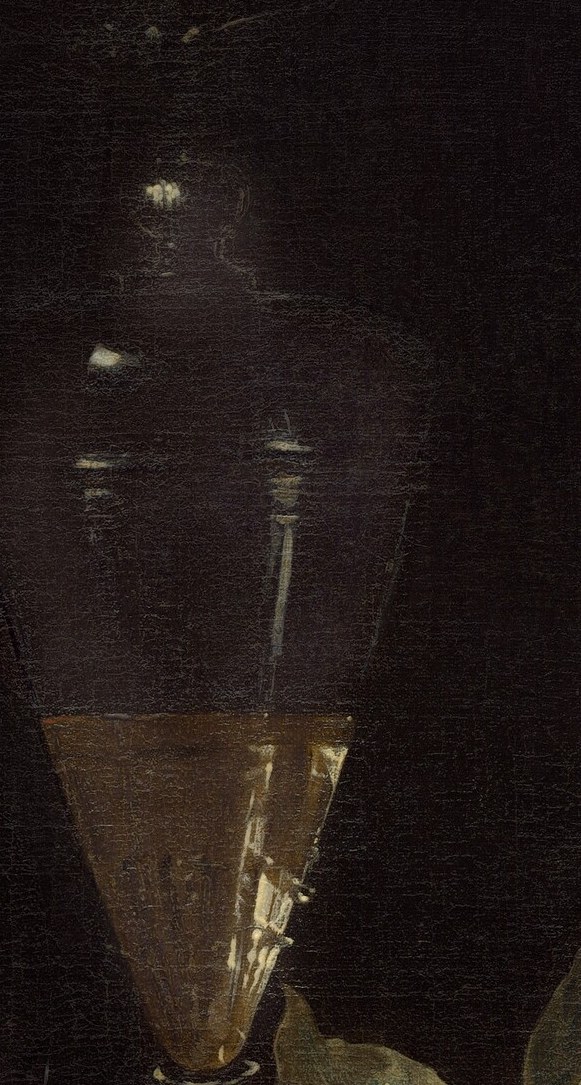
Observe the meticulous detail in elements like the peeled lemon, a signature motif that signifies both opulence and the fleeting nature of life. The interplay of light and shadow across the rich textures of the cloth, glass, and fruit draws you into this world of material beauty.
Kalf was highly regarded in his time for these elaborate compositions, which reflected the era's appreciation for domestic luxury and keen observation of the material world. His works stood as a testament to the flourishing art and commerce of 17th-century Netherlands.
What other subtle messages do you see hidden within this exquisite arrangement?
Details
Transcript
This painter was a master of luxurious still life. He layered textures: silk, glass, metal, and fruit. The peeled lemon was a signature motif, representing luxury. But its spiraling peel also hints at life's fragility. These opulent objects celebrate wealth and fleeting time. This kind of painting is called a pronkstilleven.