Thomas Paine by Jarvis, John Wesley
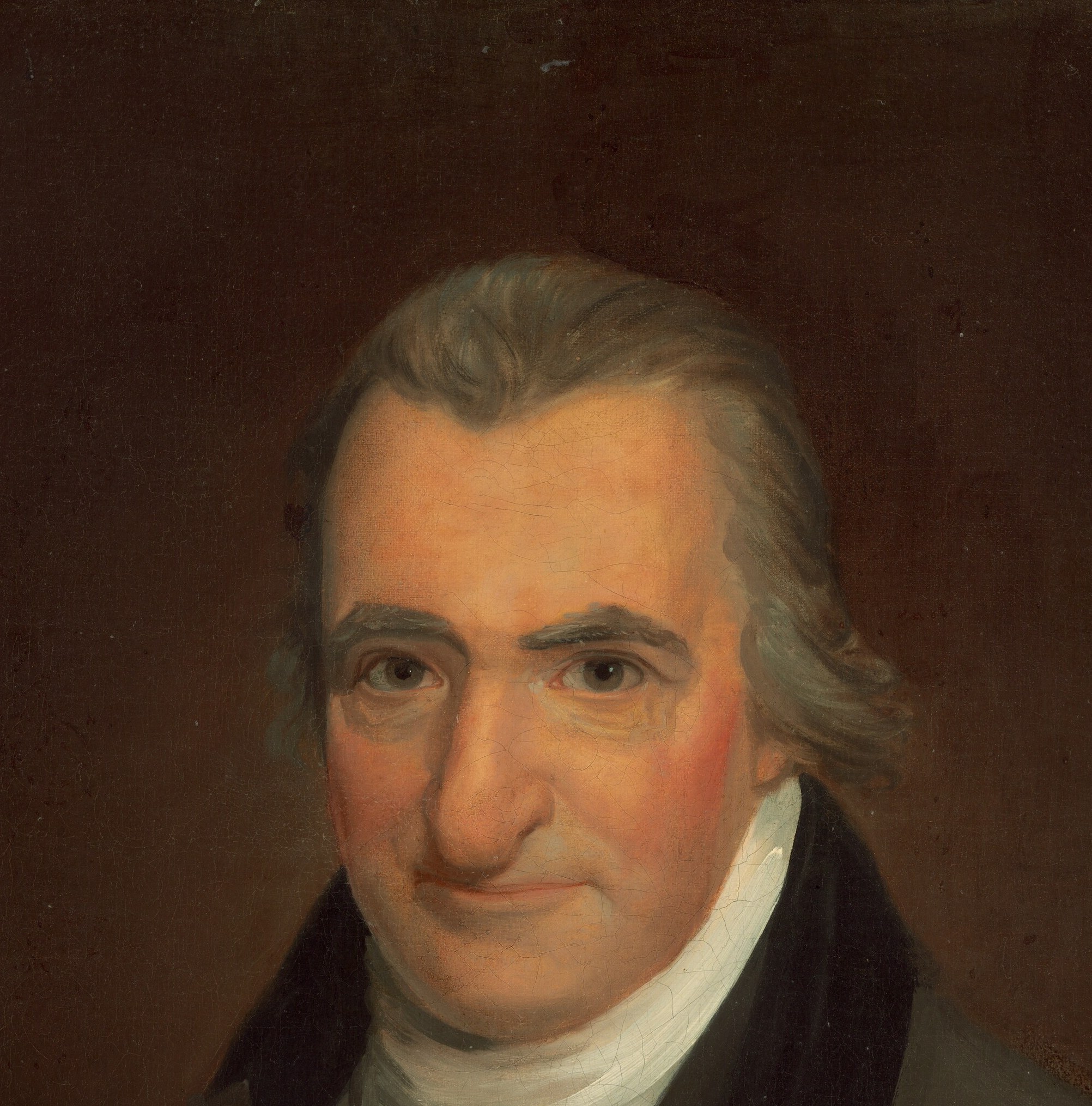
This is John Wesley Jarvis's portrait of Thomas Paine, painted around 1806, just three years before Paine's death. It hangs in the National Gallery of Art. The painting is not a celebration but a record of a life that had been, by that point, largely broken by the very revolutions he helped ignite.
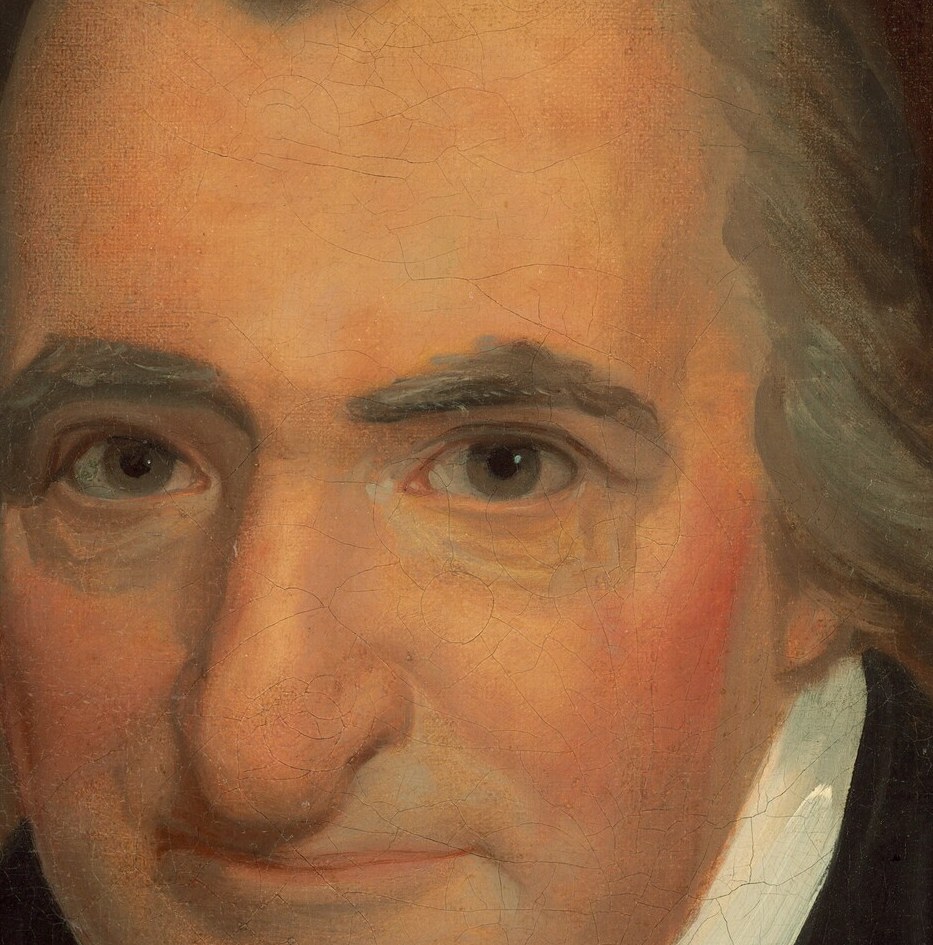
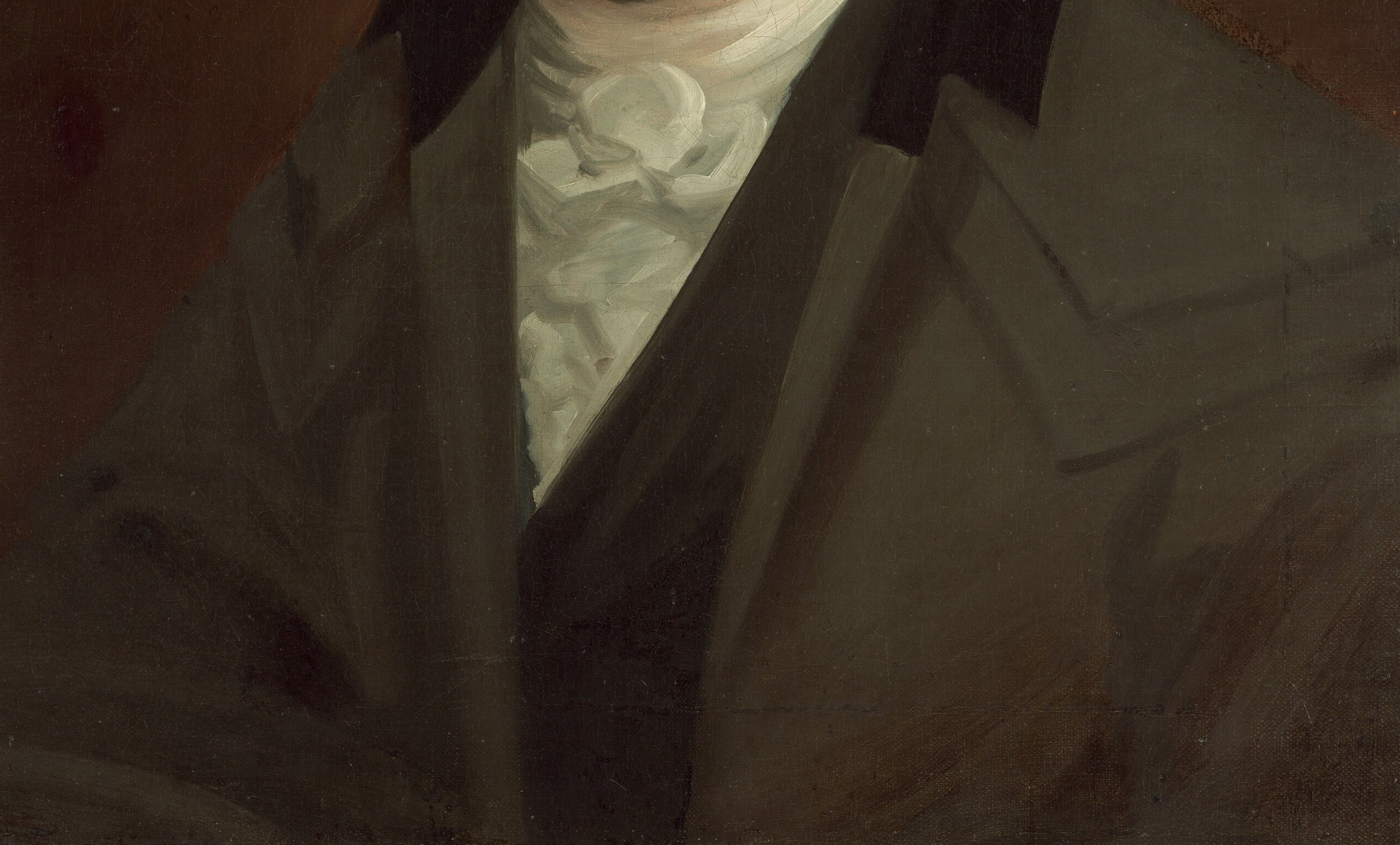
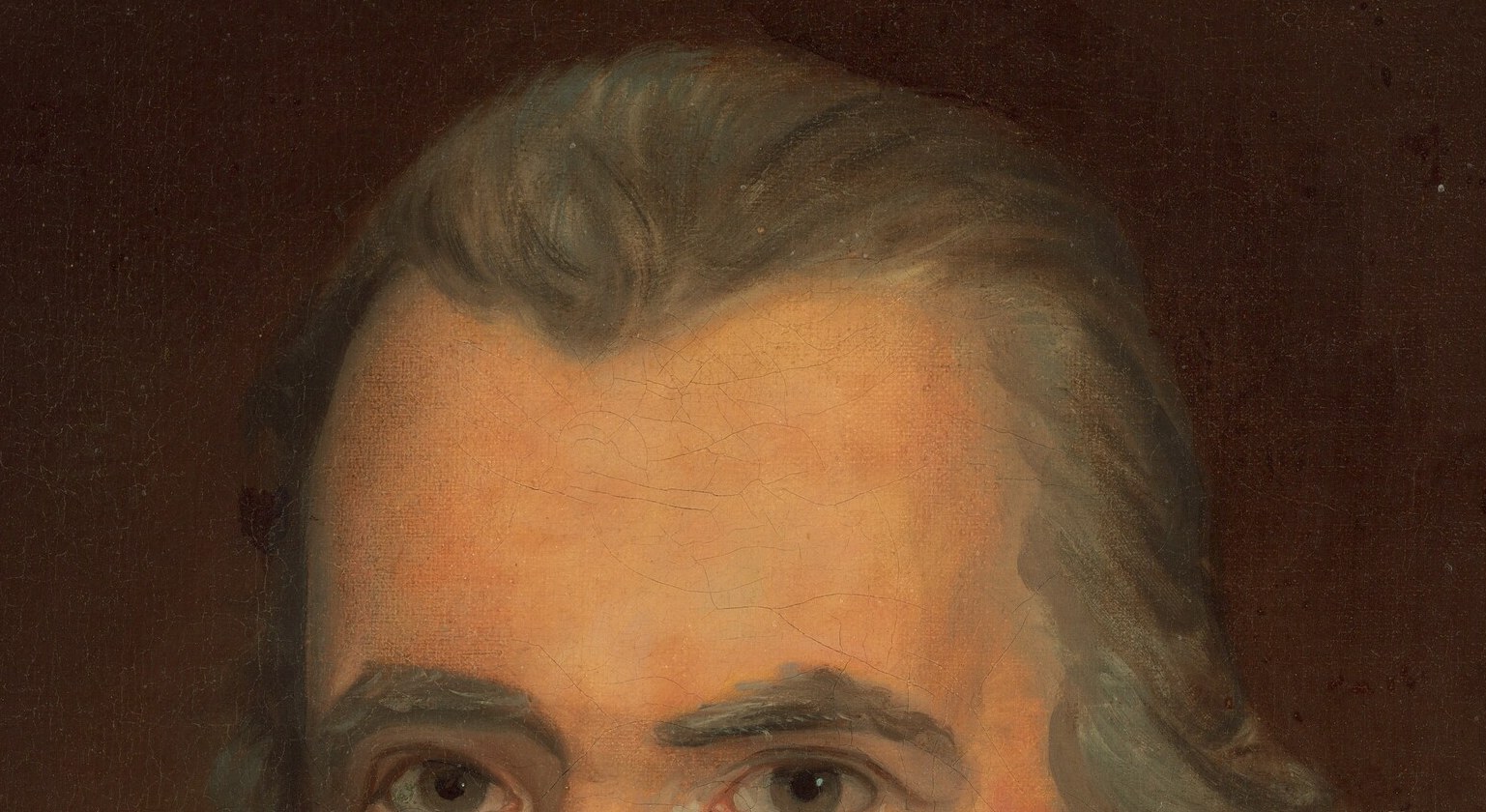
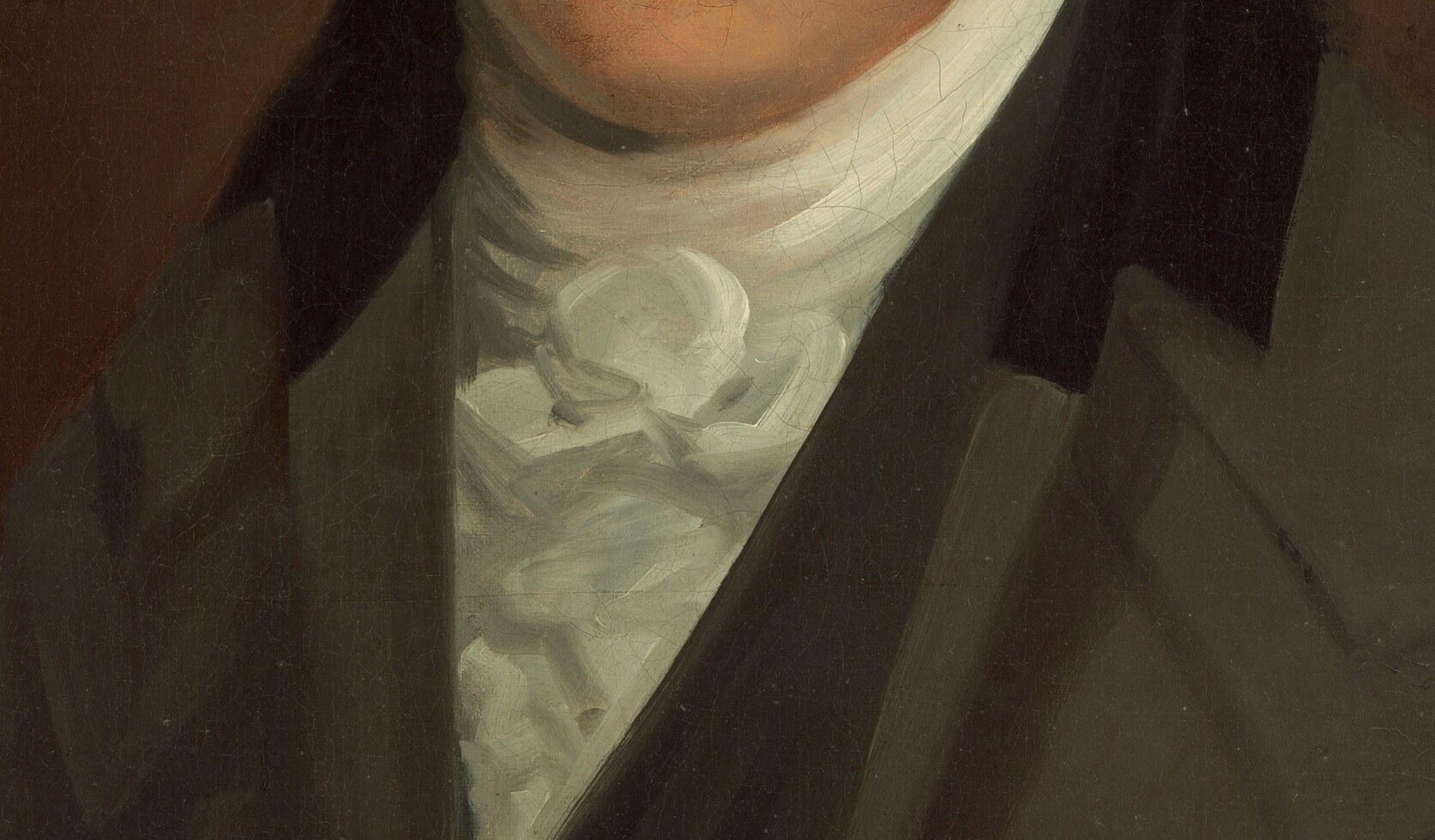
Look at the face closely. Jarvis records a reddened, bulbous nose and deeply lined forehead, signs of the hard drinking and poverty that marked Paine's final years in America. The plain dark coat is a quiet refusal of aristocratic fashion, a political choice he wore until the end. And then look at the eyes. They are steady, unflinching, almost confrontational. This is not the gaze of a comfortable man.
Paine had returned to the United States in 1802 after narrowly escaping the guillotine in France, only to find himself widely reviled for his later writings on religion. He died in Greenwich Village in 1809. Only a handful of mourners attended his burial on his farm in New Rochelle.
The direct gaze in this portrait does not plead for sympathy. It simply refuses to look away, asking us to reckon with what a life of radical truth-telling actually looks like at its end.
Details
Transcript
He does not flatter him. Look at the nose. Reddened. Aged. The painter records the hard drinking, the decades of exile and controversy. His clothes are plain dark wool. No ornament. This is a deliberate political statement, visible in the pigment. Now hold his eyes. A man who was imprisoned, nearly guillotined, and abandoned by his country. He died three years after this was painted. Alone.