Portrait of a Man with a Landscape View by Tintoretto, Jacopo
Tintoretto's 'Portrait of a Man with a Landscape View,' painted between 1552 and 1556, captures a snapshot of Venetian power and identity in the mid-16th century. This oil on canvas, part of the Venetian school, showcases the artist's characteristic energetic brushwork.
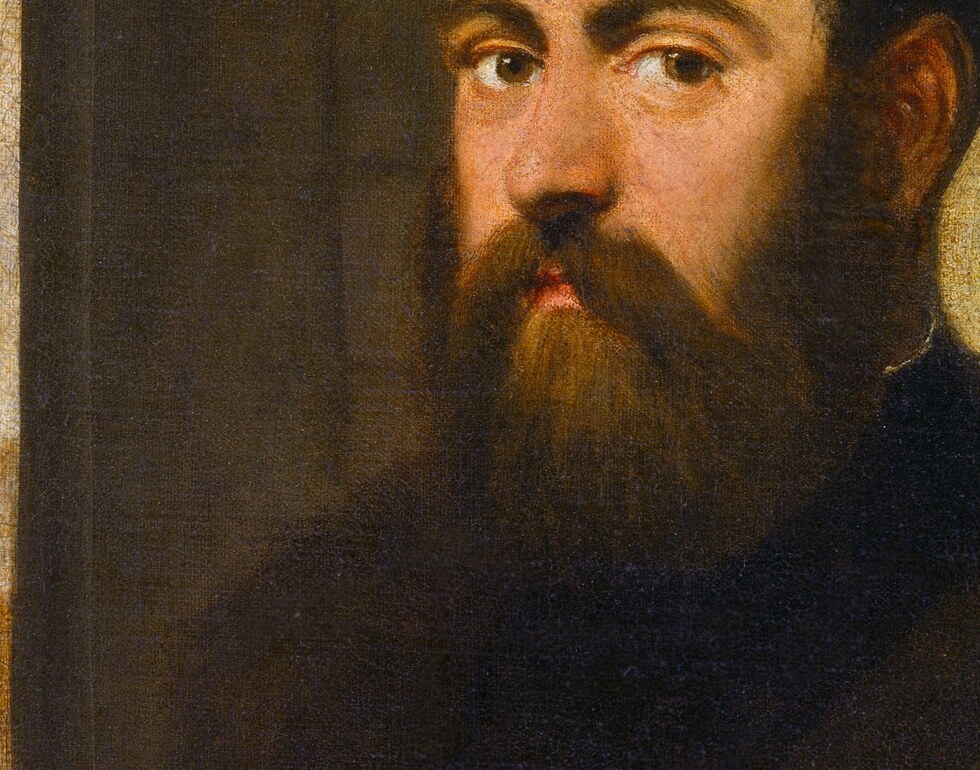
Observe the sitter's meticulously groomed beard and luxurious dark robe, indicators of his high status. The subtle details, like the hint of a fur collar, speak to the expense of his attire. His steady gaze holds a psychological tension, a hallmark of Tintoretto's portraits.
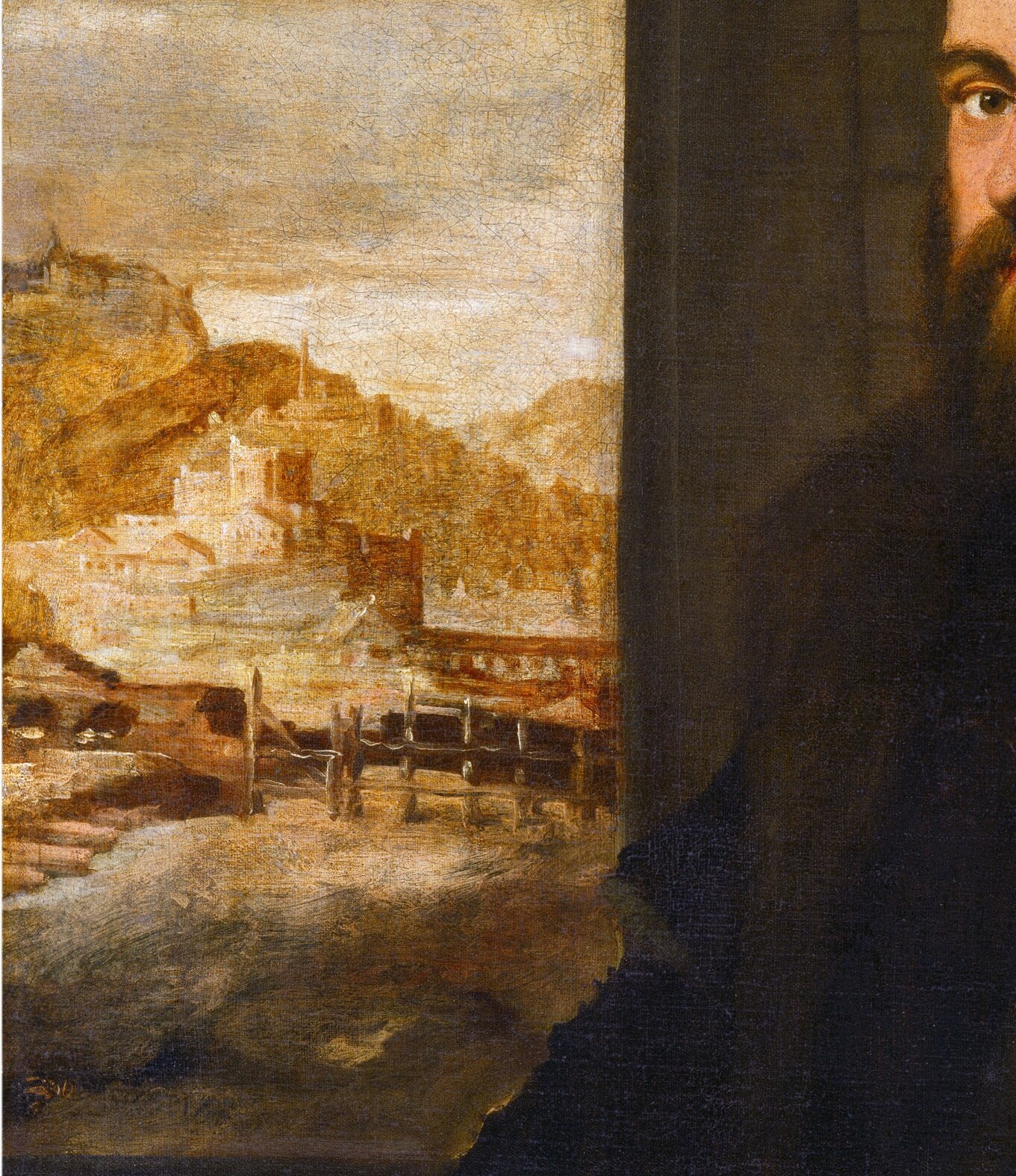
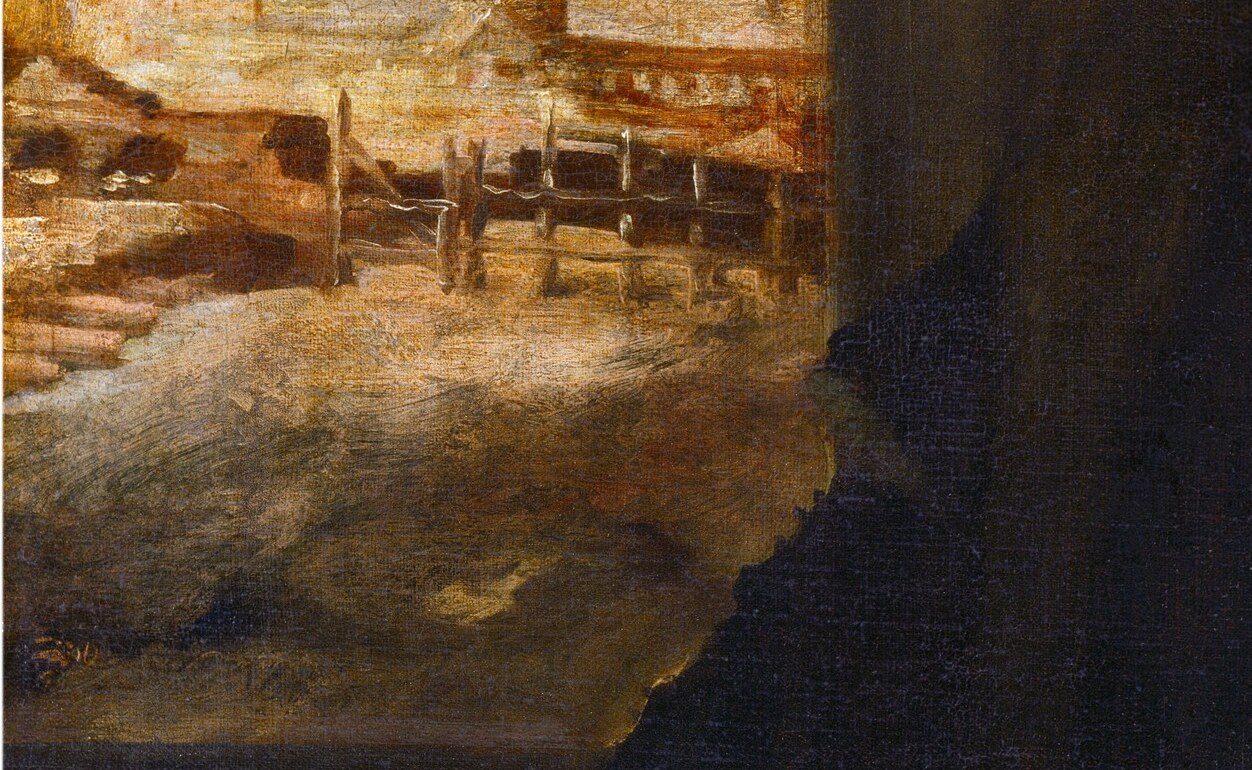
The background landscape isn't merely decorative; it's a key to his identity. The distant coastal town likely represents his origin or territory, while the water channel emphasizes his connection to maritime commerce, the lifeblood of Venice at the time. This fusion of portraiture and landscape was a common convention for powerful figures.
The painting is a document, an eyewitness to how identity was constructed and displayed during the Renaissance.
Details


Transcript
In the mid-1500s, Venice was a global trading power. This man’s meticulous beard and robe signal his status. His dark, expensive cloak likely has a fur lining. The painter, Tintoretto, was known for his speed and bold brushwork. Behind him, a distant coastal town, his territory or origin. A water channel or lagoon suggests his mercantile identity. His eyes, lit differently, give him a psychological tension.