In the Studio by Hugo von Habermann
Hugo von Habermann's “In the Studio,” painted in 1893, offers a quiet glimpse into an artist's world. This oil painting, part of The Metropolitan Museum of Art's collection, captures two figures in a dimly lit studio, reflecting the realism movement's focus on everyday life.
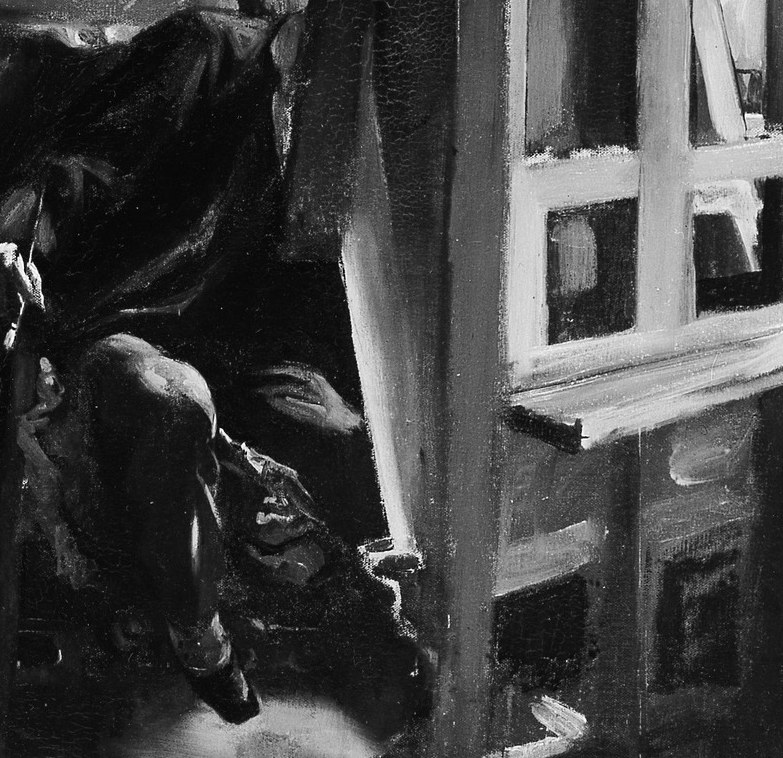
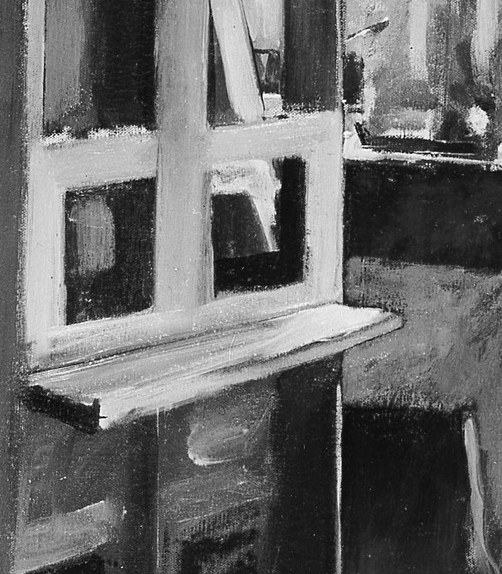
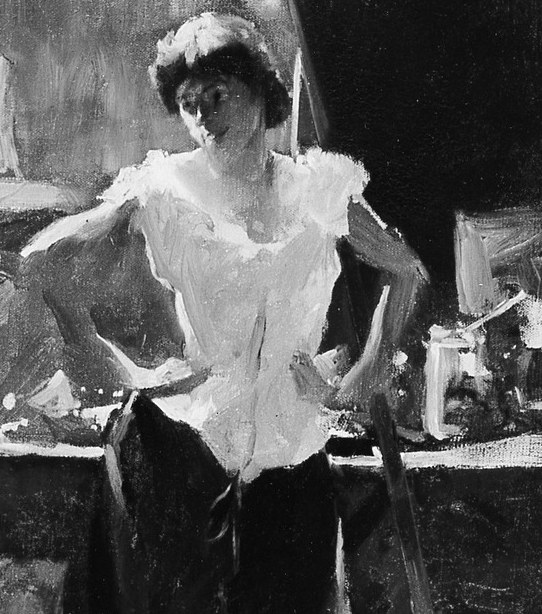
Notice the interplay of light and shadow, particularly how the light from the window defines the space and mood. The seated figure's intense gaze at the blank canvas, juxtaposed with the standing figure holding a brush, invites speculation about the creative process. The thick, visible brushstrokes (impasto) add a tangible texture that enhances this effect.
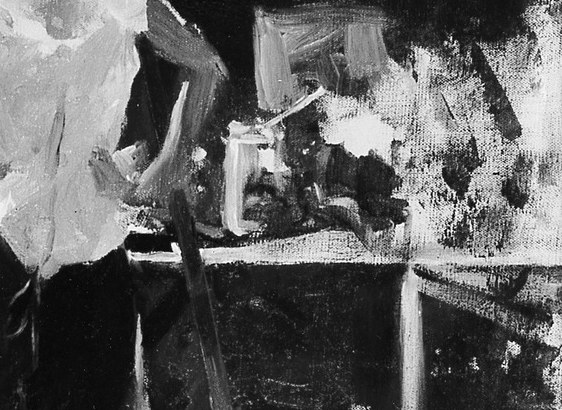
Look closely at the cluttered table in the background, these subtle details hint at the tools and materials of a working artist. Habermann, sometimes known as “the Elder,” was a German painter and draftsman who captured contemporary settings without idealization. His work preserves a slice of late 19th-century artistic life.
What stories do these hidden objects tell about the artist's daily life?
Details
Transcript
This painter was known for capturing quiet moments. Here, two figures are caught in a private studio space. A seated figure gazes at a blank canvas, full of potential. A standing figure holds a brush and palette, ready to work. Now, look closely at the table in the background. The scattered objects hint at the daily tools of an artist. This German artist depicted the unidealized reality of his time.