Mary Fairlie Cooper by William Dunlap
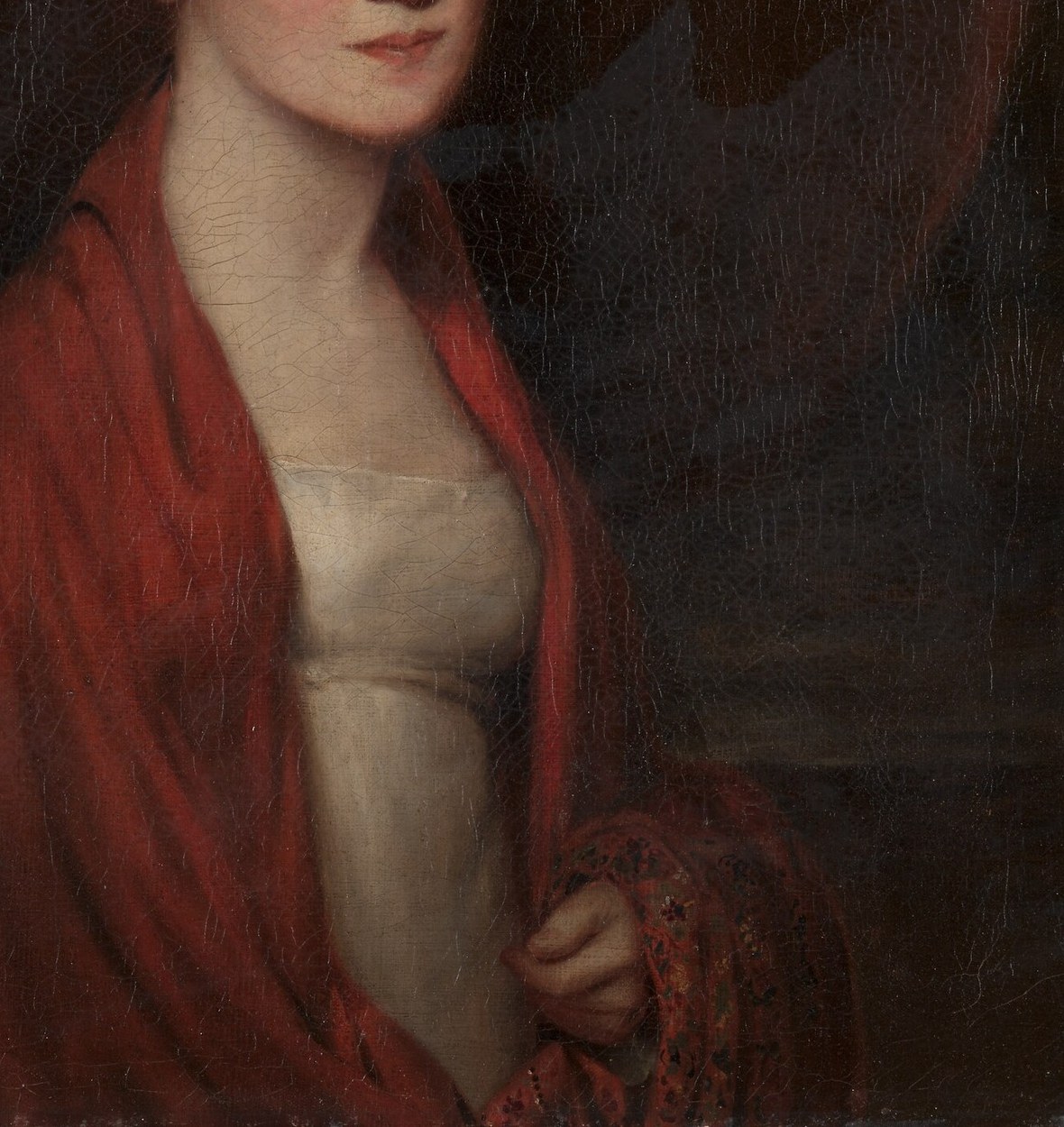
William Dunlap painted Mary Fairlie Cooper in 1814, and the whole portrait works like a theater production, because the painter was a playwright before he was a painter. The portrait is in the Cleveland Museum of Art.
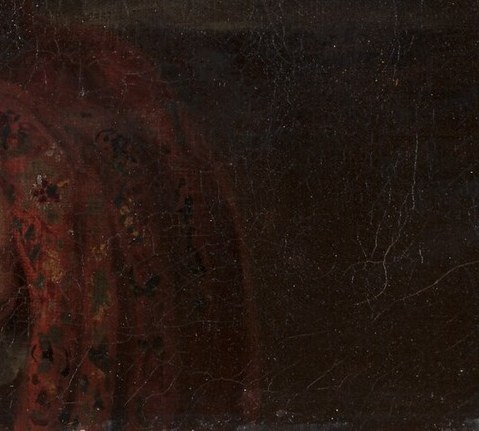
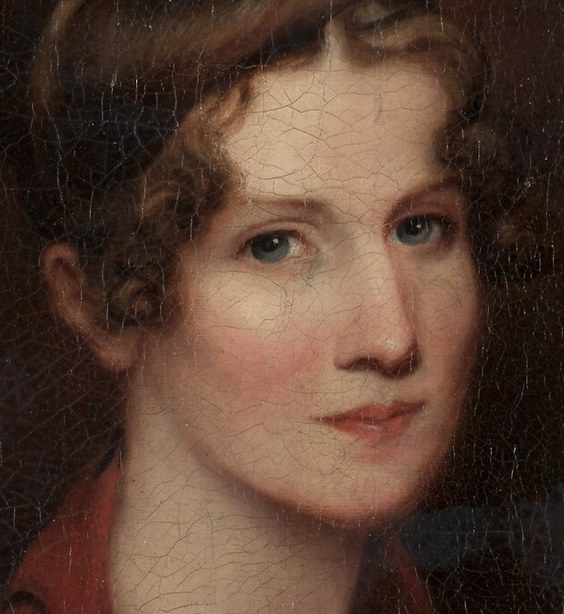
Look at what she wears: a white cotton dress and a red shawl. This was middle-class fashion in early America, not aristocratic finery. The patterned border on the shawl shows the care Dunlap put into even the small details. And then there are her eyes, the blue is subtle, but it has not faded.
Dunlap lost an eye as a child. He studied under Benjamin West in London, painted George Washington in 1783, and then left painting for eighteen years to run two of New York's first theaters. He wrote more than sixty plays. He only picked up a brush again in 1805 because he needed the money. This portrait came nine years later, in 1814.
He had one eye and painted both of hers. A playwright knew how to light a leading lady, and somehow, she is still onstage.
Details
Transcript
In 1814, a playwright picked up a brush. Her shawl and dress were American middle-class fashion. The patterned border shows careful craftsmanship. The painter ran two of New York's first theaters. He had one eye and painted both of hers.