Woman from Hensbroek in country dress by J. van Horst
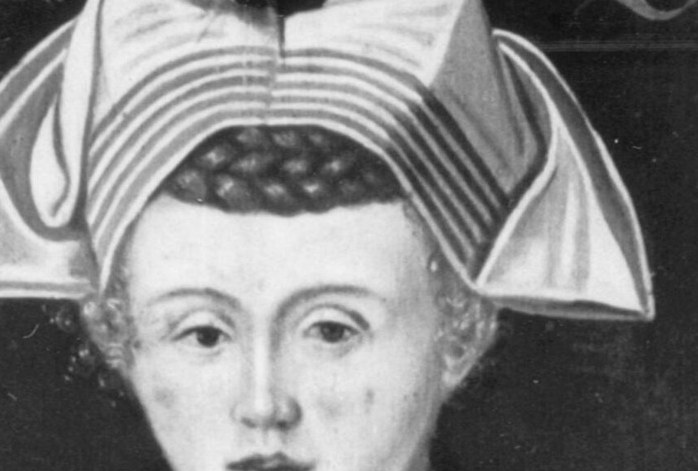
This intriguing portrait, "Woman from Hensbroek in country dress" by J. van Horst, created in 1570, is part of the Rijksmuseum's collection. While seemingly a straightforward depiction, it holds a subtle secret in its dark background.
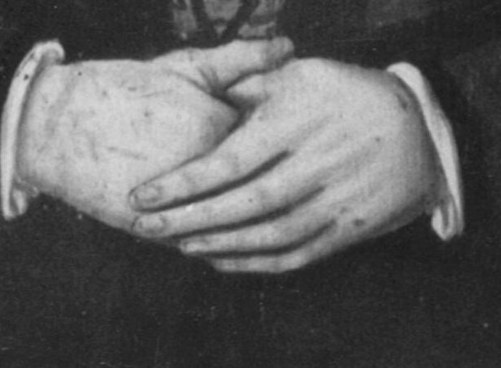
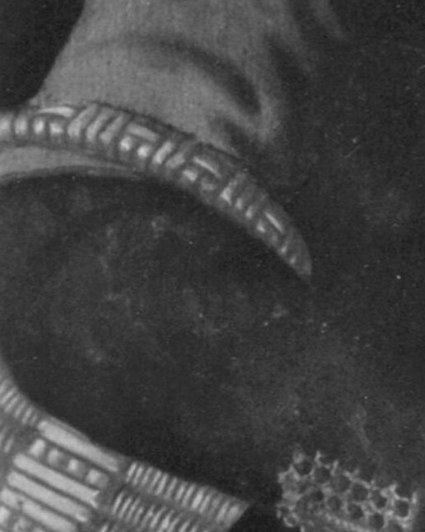
The woman is presented in traditional attire from Hensbroek, a Dutch region. Her elaborate headdress, laced bodice, and necklace speak to the local customs and perhaps a modest affluence within her community. Her serene expression and calm, folded hands convey a sense of quiet dignity.
However, a closer look reveals faint, almost ghost-like figures in the otherwise stark black background. These indistinct forms, barely visible, add a layer of mystery and suggest a larger narrative or setting that the artist chose not to fully develop, inviting viewers to ponder the untold story beyond the sitter.
It's a wonderful example of how paintings can hold hidden depths, even when they appear simple at first glance. What do you imagine these background figures represent?
Details
Transcript
This calm portrait is from the Netherlands, 1570. She wears the country dress of Hensbroek, a Dutch town. Her quiet dignity is striking, even in her folded hands. But look closely at the dark background, to her left. Faintly, a figure emerges, almost unseen for centuries. There are others too, barely visible on her right. They hint at a wider world outside this quiet portrait.