Joseph Wesley Harper, Jr. by Johnson, Eastman
Eastman Johnson painted Joseph Wesley Harper, Jr. around 1885, near the end of his own life. The sitter was a scion of Harper & Brothers, the publishing house that brought Herman Melville (and a good deal of American literature) into print. Johnson gives us a man who has spent decades at the apex of cultural power, and he does it with almost nothing but the face.
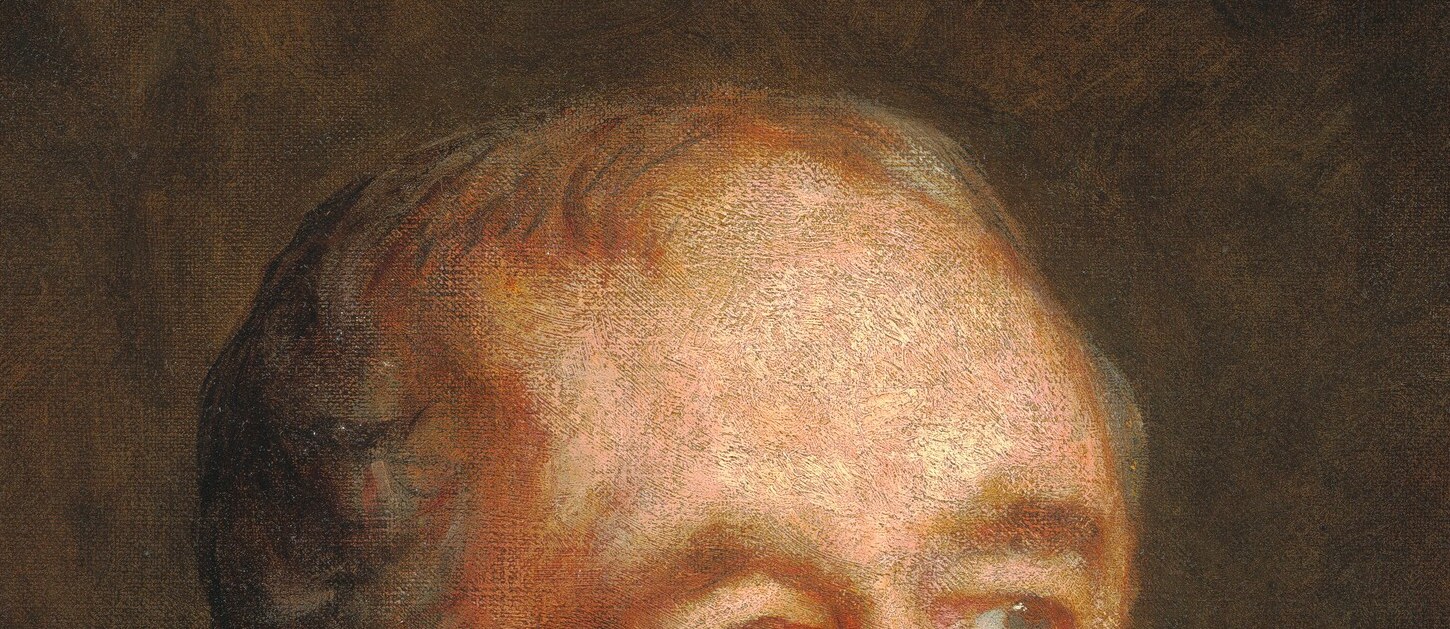
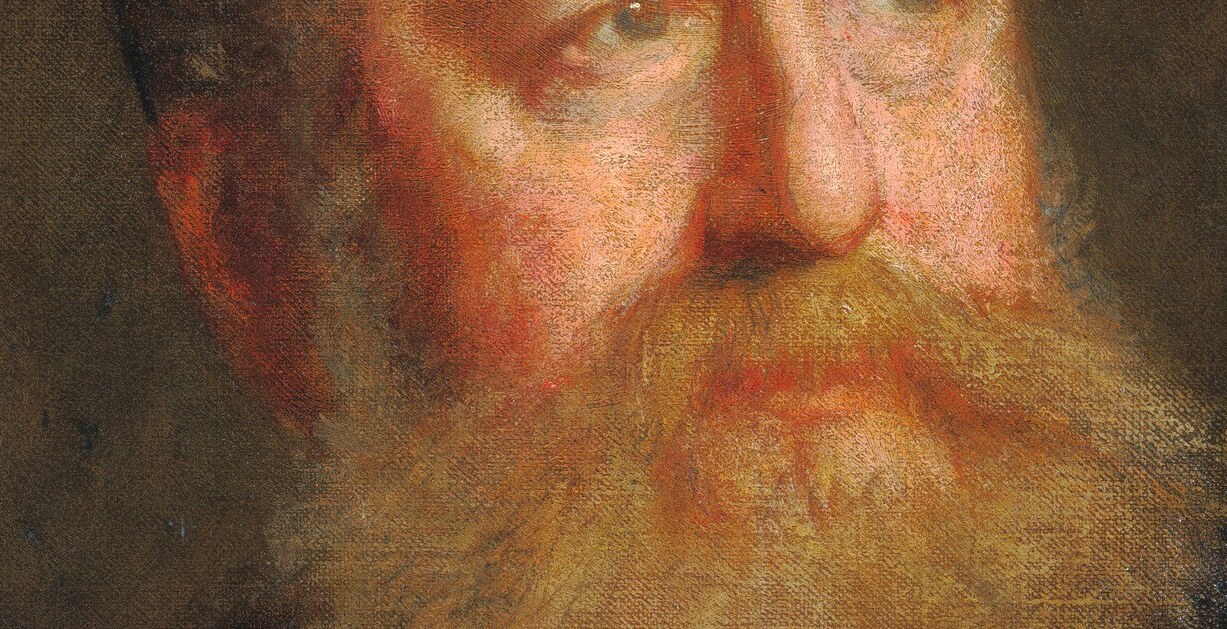
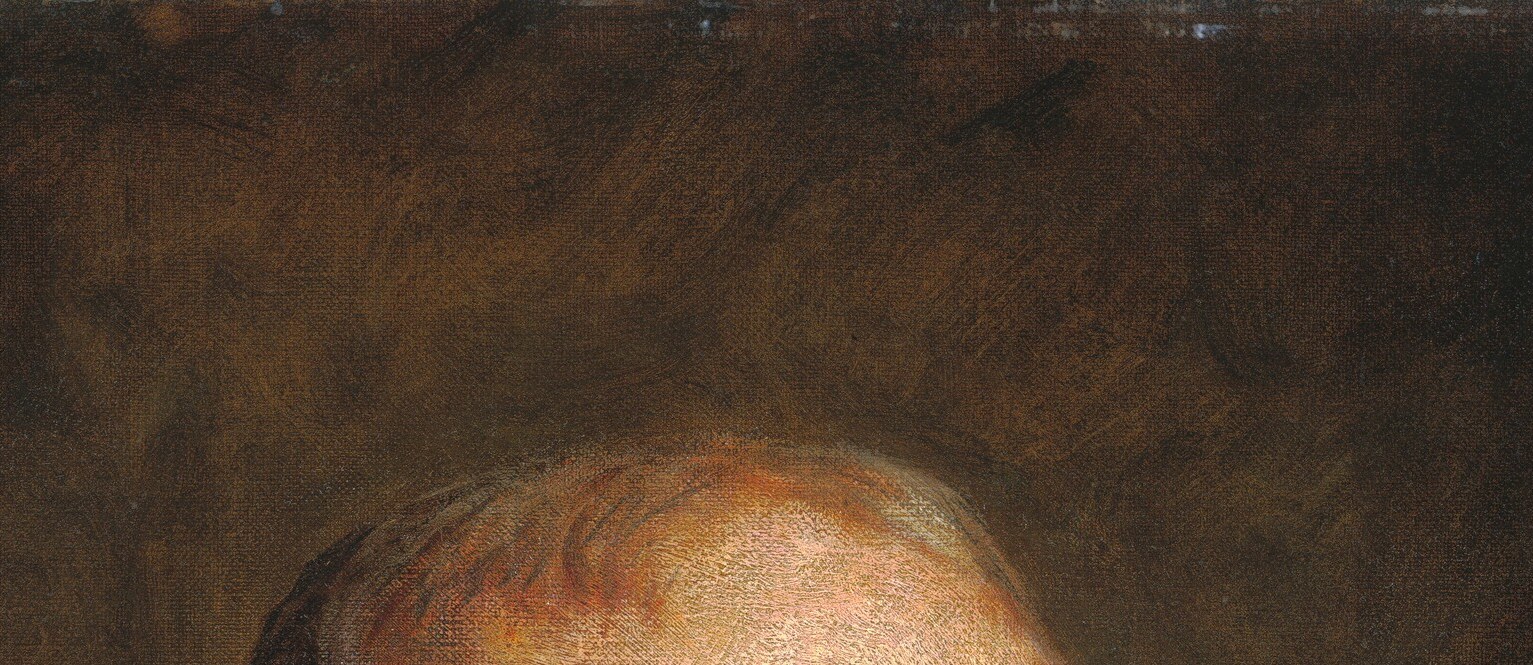
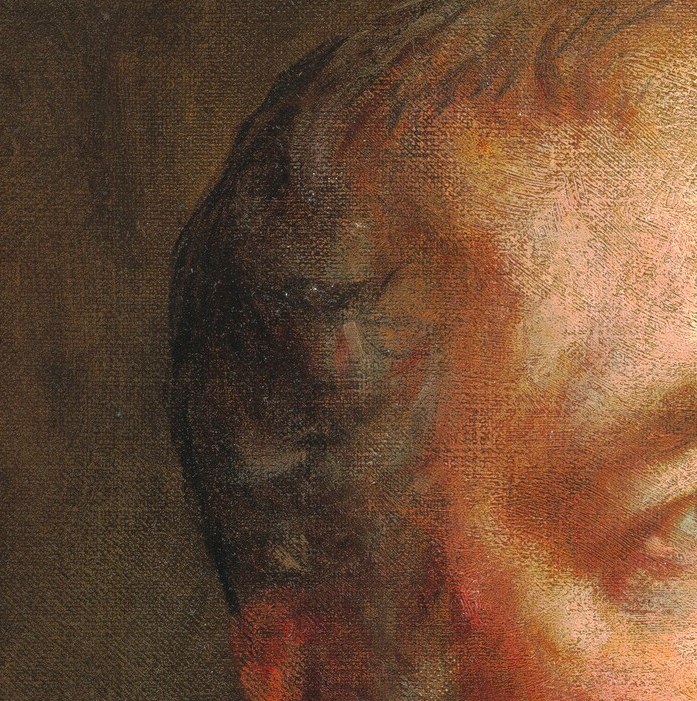
Look at the eyes first. They meet you directly, asymmetrical enough to feel like a real person rather than a flattering ideal. Then look at the beard: it is the painting's dominant physical event, a soft white mass built with loose, confident brushwork. The mouth is nearly hidden beneath it, which makes the face feel self-contained, even sealed. Johnson was a master of the vignette portrait, dissolving the coat into the warm brown background so nothing competes with the head.
The Harper family firm was founded in 1817 by Joseph's father and uncles. By the time this portrait was painted, Joseph Jr. was 59 and running the house. Johnson himself was in his early sixties and had not many years left. A late portrait of a late-career man, painted by an artist who knew he was near the end. That knowledge is in the economy of the brushwork: nothing wasted, everything essential concentrated in the eyes and the beard.
What do you see in the way he holds your gaze?
Details
Transcript
He looks straight at you. And he gives nothing away. This is Joseph Wesley Harper, Jr. His family founded Harper & Brothers in 1817. They published Moby-Dick. Now Joseph runs the firm. He is 59. Eastman Johnson painted this near the end of his life. He lets the coat vanish. Everything lives in the face.