Bucks County Farm Outside Doylestown, Pennsylvania by American 19th Century
This is 'Bucks County Farm Outside Doylestown, Pennsylvania,' painted around 1890 by an unknown American artist. It is not just a pretty landscape. It is a coded message of success and stability, painted for a 19th-century audience that could read its language perfectly.
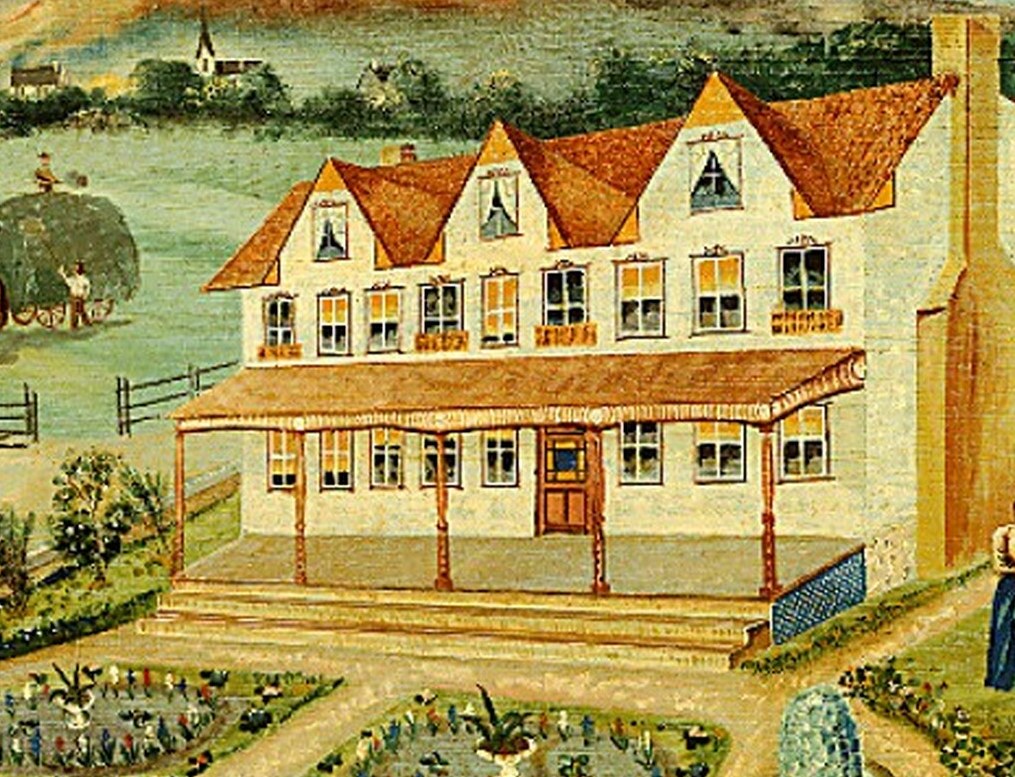
Start at the center: the farmhouse is painted a bright, clean white. This was a status symbol. Whitewash required constant upkeep, and a pristine house meant a prosperous and well-managed home. To the right, a blue-tiled garden fountain is a pure luxury, a decorative detail in a working landscape. It speaks of refinement and a life beyond mere survival.
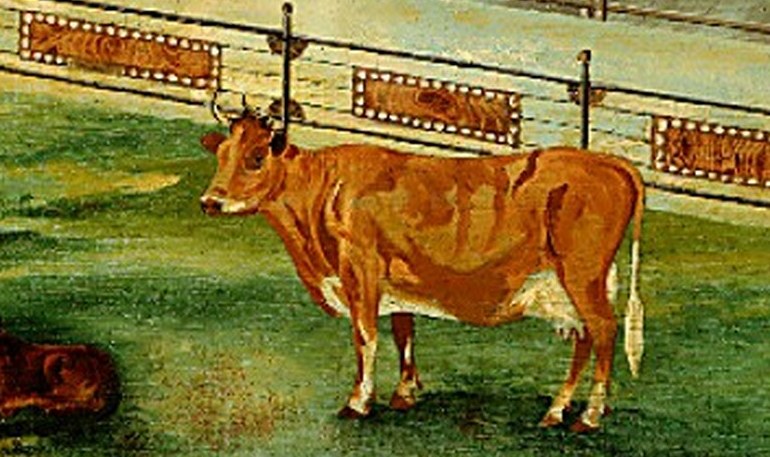
Out on the road, a carriage pulled by white horses connects the farm to the wider world of commerce and society. Every cow, every outbuilding, is rendered with careful realism. The artist is not just recording a view, but building an argument for the farm's value and the integrity of the life it represents.
The painting belongs to a tradition of 19th-century American genre scenes that served as both visual records and cultural affirmations of the nation’s agricultural foundations. What other details in the painting speak to you of this quiet, earned prosperity?
Details
Transcript
The farm looks serene. But every detail is a coded message. This robust farmhouse, painted white, is the heart of it all. A well-maintained home was the era's most powerful sign of domestic success. The carriage and white horses say the farm is connected to the wider world. A blue-tiled fountain. A purely decorative choice, a mark of leisure. The code adds up to one clear message: this is a portrait of earned prosperity.