Two tax collectors (partial copy) by http://www.wikidata.org/.well-known/genid/b635a39e43b564e046e1bd21736bbf33
Marinus van Reymerswaele, a painter known for his critical eye, created "Two Tax Collectors" around 1550. This painting, now in various collections (this one is a partial copy), exemplifies his fascination with financial themes and human behavior.
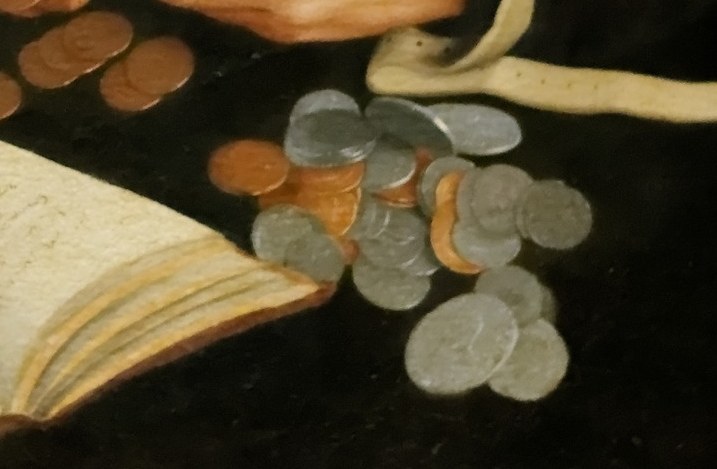
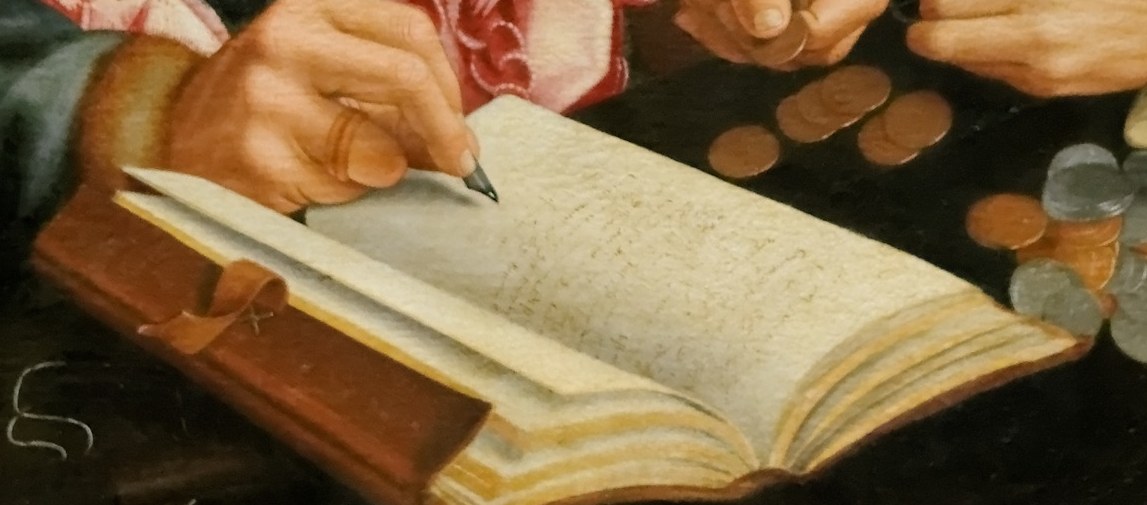
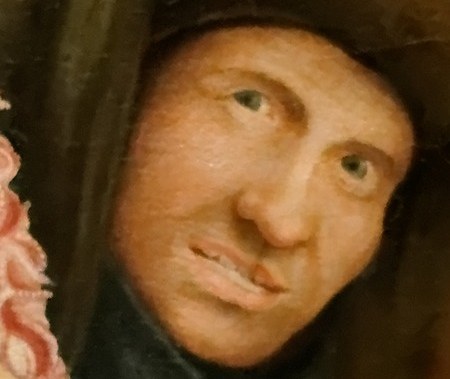
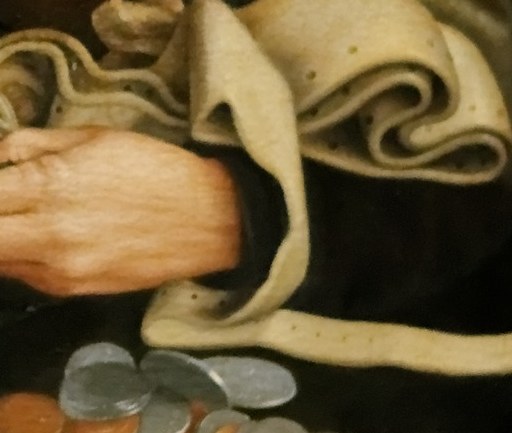
The work depicts two figures at a table, meticulously counting coins and recording entries in an open ledger. The man in the vibrant red cap, with his spectacles, is engrossed in his task, while his companion in the dark hood directly engages the viewer. The scattered coins and the quill pen highlight the intense focus on monetary transactions.
Van Reymerswaele's art often satirized figures like bankers and tax collectors, tapping into contemporary anxieties about wealth and greed. His distinctive style, characterized by detailed rendering and expressive faces, made his works highly sought after, even as they offered a biting social commentary.
His paintings provided a window into the economic realities and moral debates of 16th-century society. What do you notice in their expressions?
Details
Transcript
This painter was famous for his critical eye. He often painted figures associated with money and greed. Here, two men count coins and record their sums. The man in the red cap focuses intently on his ledger. While the other looks directly out, engaging the viewer. His satirical depictions of financiers were wildly popular.