Still Life with Fruit by Emilie Preyer (German, 1849–1930)
Emilie Preyer's "Still Life with Fruit," painted in 1873 and housed at The Cleveland Museum of Art, is a stunning example of 19th-century realism. Preyer was celebrated for her ability to bring everyday objects to life on canvas, showcasing an extraordinary mastery of light, shadow, and texture.
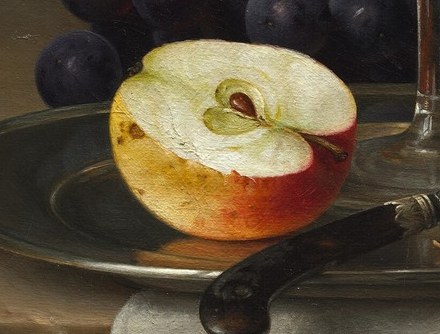
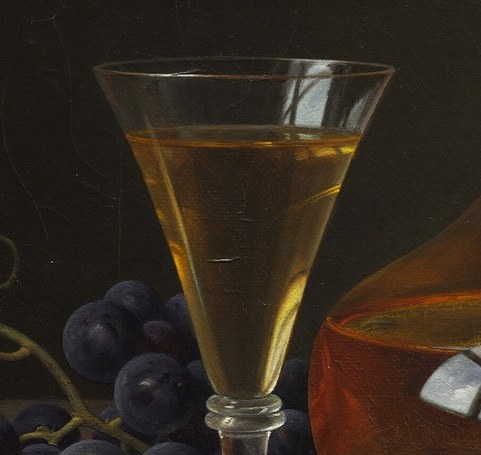
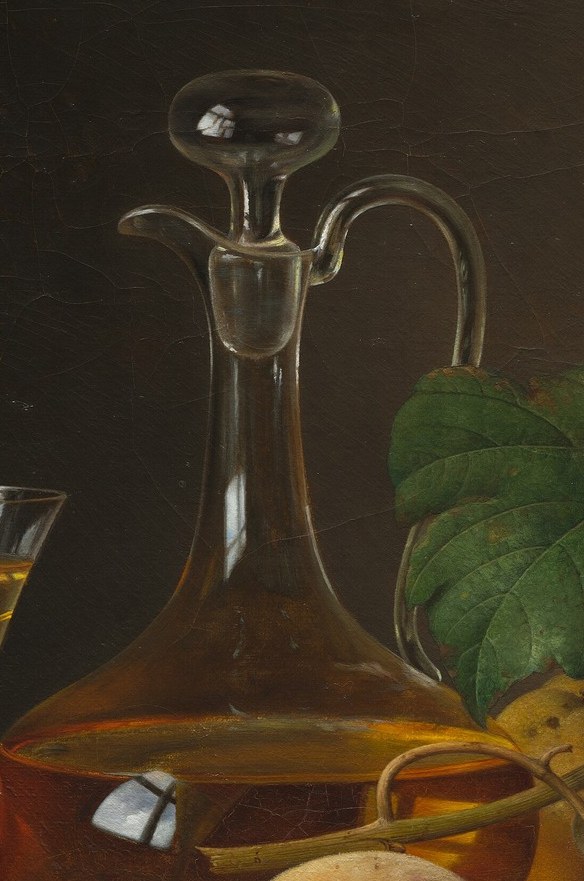
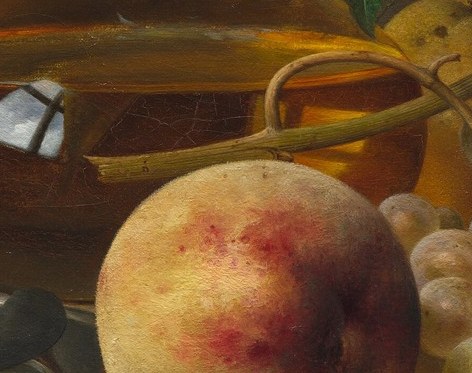
Take a moment to observe the remarkable detail in the sliced apple or the way light refracts through the wineglass. The velvety skin of the peaches and the glossy surface of the plums demonstrate her meticulous approach to capturing the tactile qualities of fruit.
Born in Düsseldorf, Emilie Preyer (1849-1930) followed in the footsteps of her painter father, becoming a significant artist in her own right. Her still life paintings were highly sought after, known for their precision and vibrant compositions that often featured sumptuous fruits and gleaming glassware.
This painting invites us to appreciate the beauty in the everyday, rendered with exquisite skill. What details do you find most captivating?
Details
Transcript
It was painted by Emilie Preyer, a German artist, in 1873. Look closely at the sliced apple, nearly real enough to touch. The way light catches the wineglass shows incredible detail. Preyer was renowned for her realistic renderings of fruit and glass. She meticulously captured textures, from velvety peaches to smooth plums.