The Little Schoolmistress by Chardin, Jean Siméon
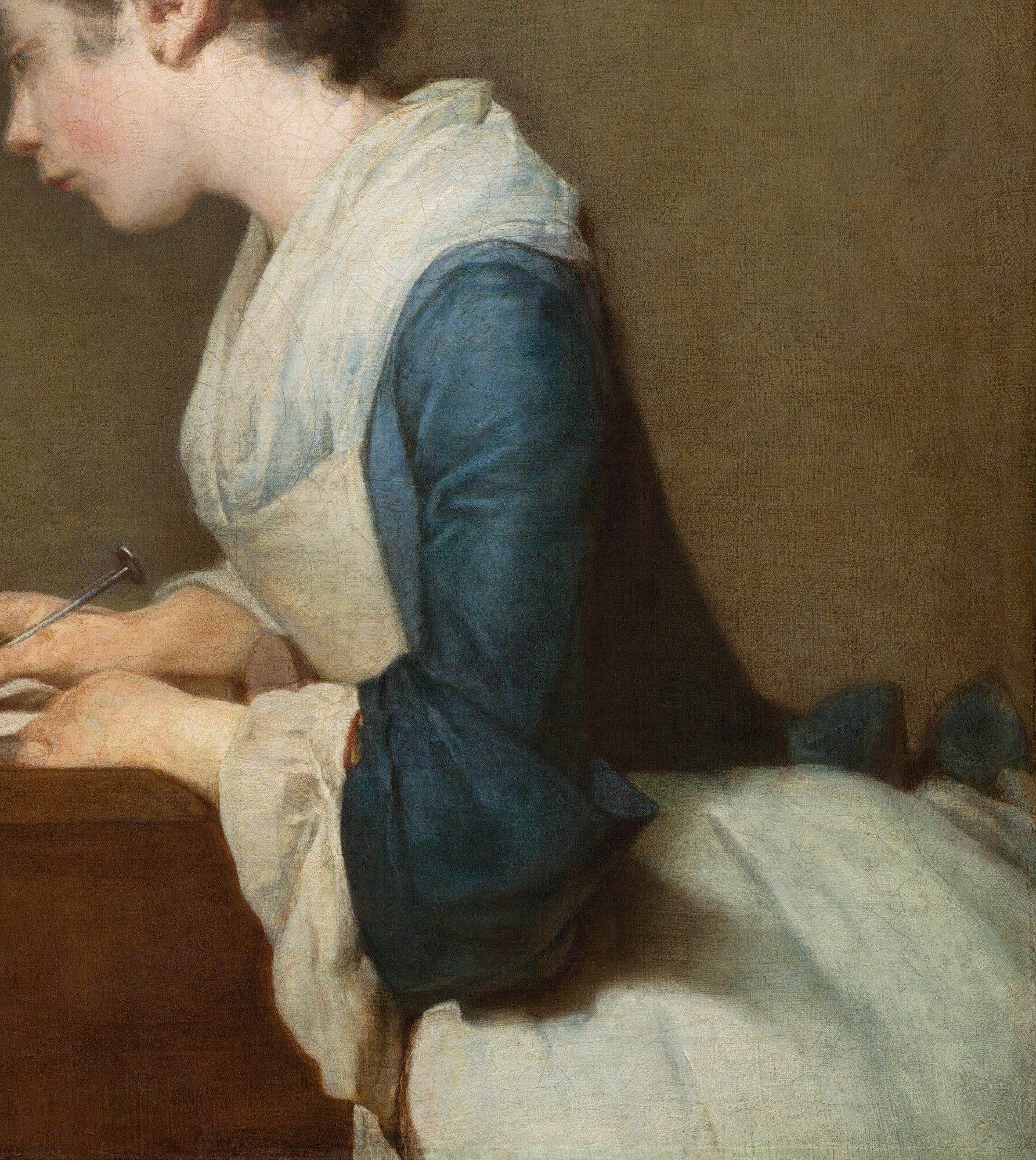
Jean Siméon Chardin's "The Little Schoolmistress," painted around 1740, is a beautiful example of how this artist elevated everyday life into high art. Housed in a prestigious collection, this oil on canvas captures a simple yet profound moment of domestic instruction.
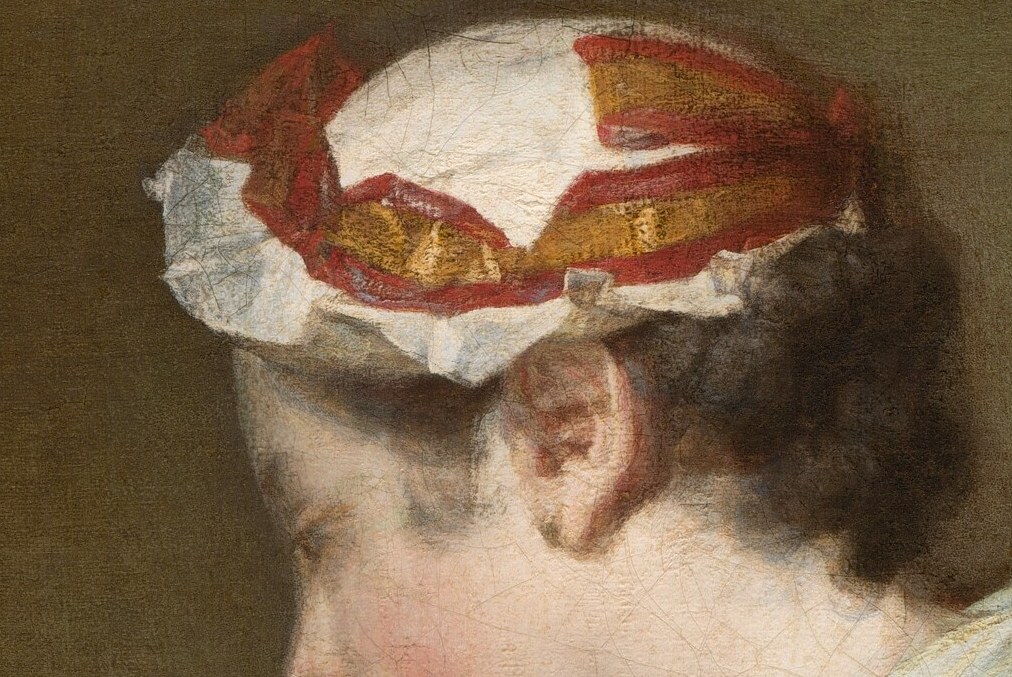
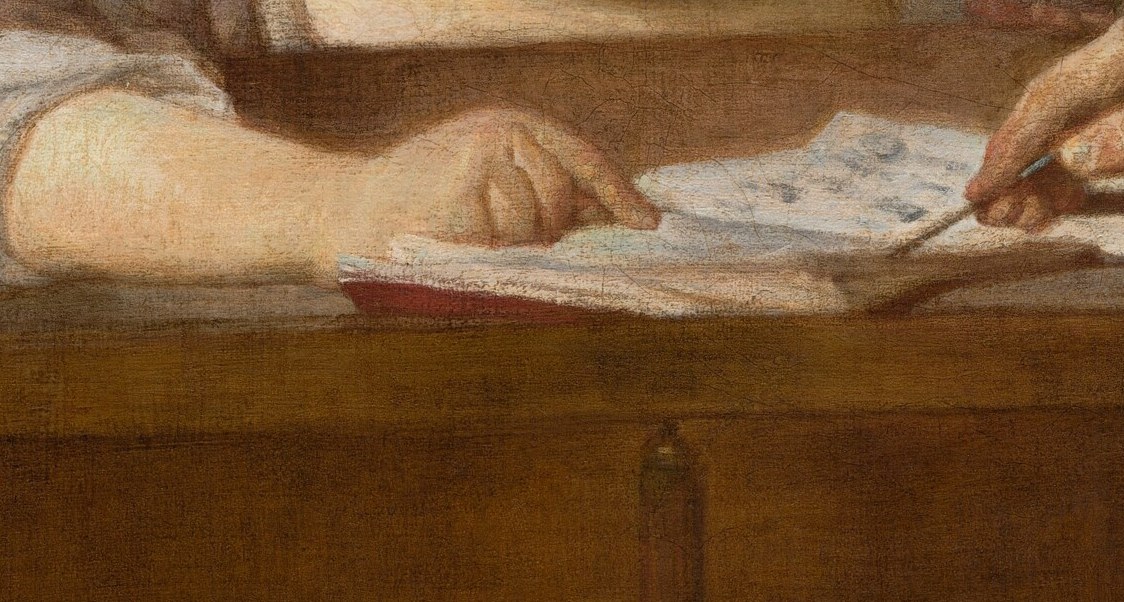
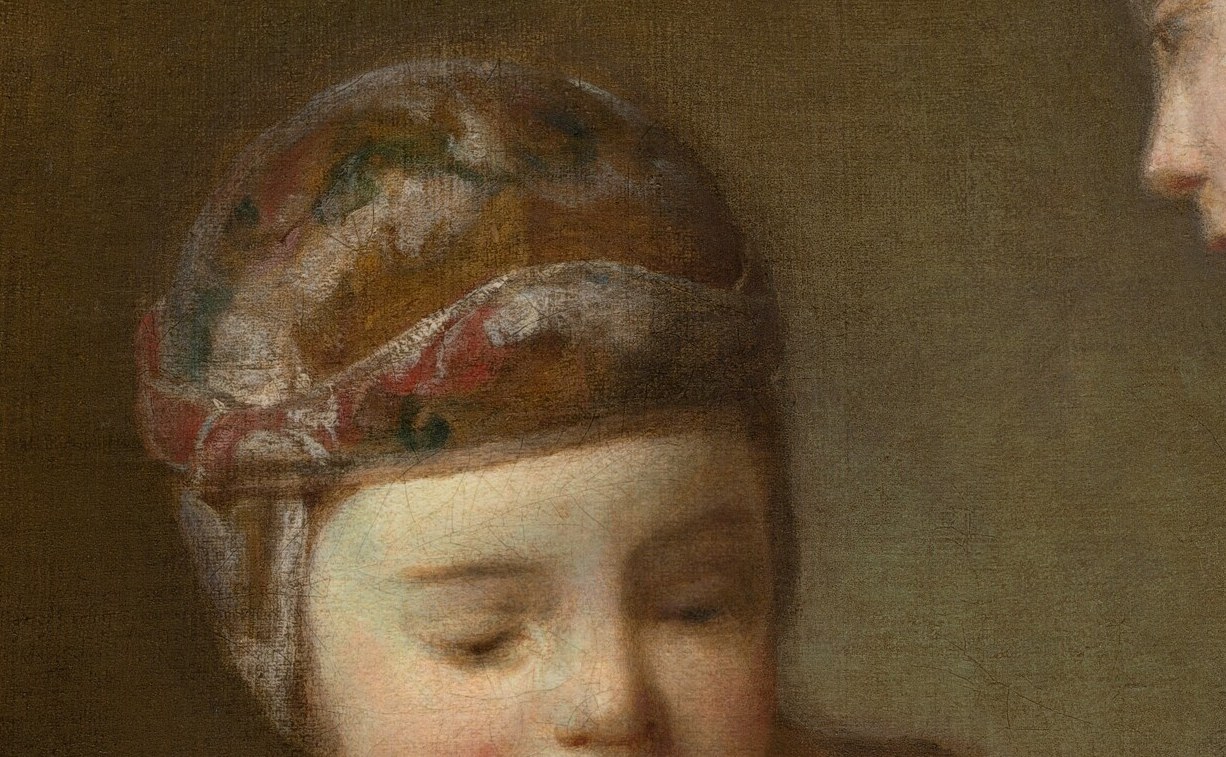
Look closely at the gentle interaction between the young woman and the boy. Her patient expression and the delicate way she guides his hand with the pen draw you into the quiet dignity of the scene. The boy's concentrated face and hands emphasize his intense focus on learning.
Chardin, a master of the Rococo period, eschewed the frivolous mythological subjects of his time. Instead, he found moral weight and beauty in ordinary activities, bringing a sense of realism and psychological depth to genre painting. His meticulous observation and restrained palette create a serene atmosphere that invites contemplation.
This painting reminds us that there is profound beauty and meaning to be found in the quiet, unadorned moments of daily life. What small, everyday interactions do you find most compelling?
Details

Transcript
This painter was known for quiet, domestic scenes. He elevated everyday life to the status of high art. Here, a young woman teaches a boy to write. Her delicate fingers guide his pen. The muted background ensures full focus on their lesson. His choice of simple subjects made him famous.