River and Rocks by Gustave Courbet
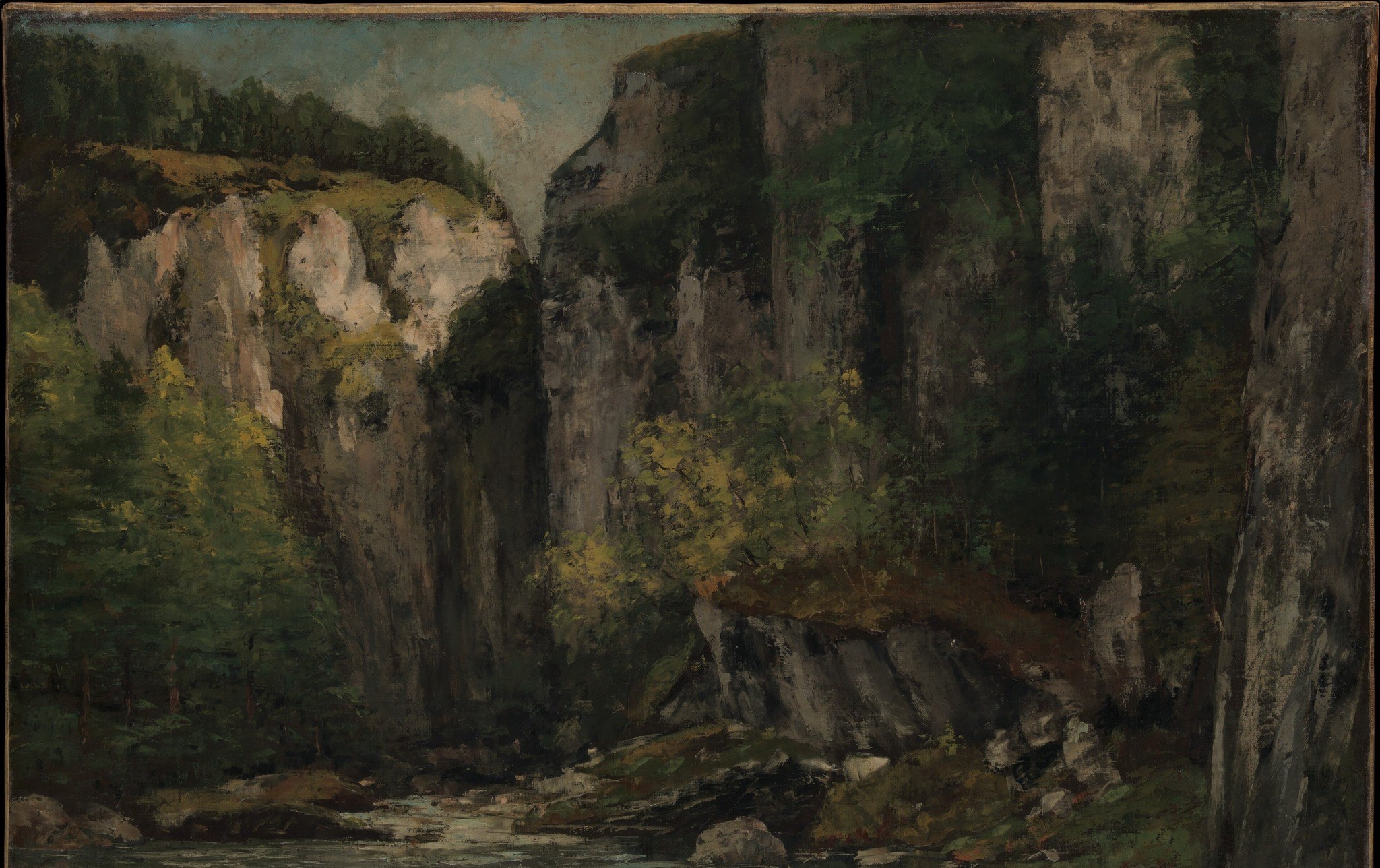
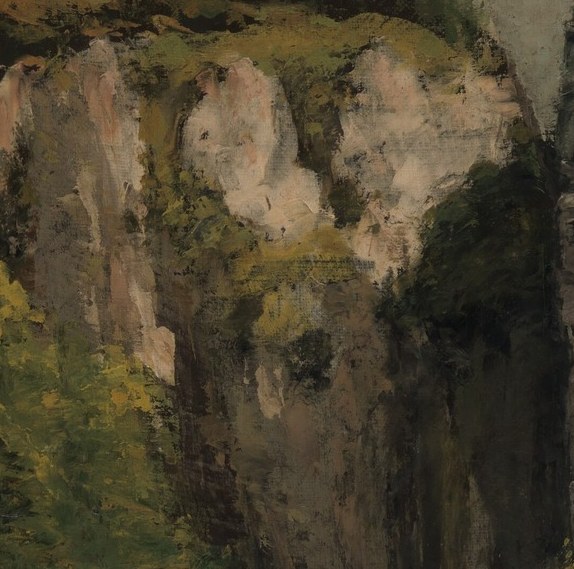
Gustave Courbet's 'River and Rocks', painted in 1873, captures a serene yet rugged landscape, a testament to his unwavering commitment to Realism even during a tumultuous period in his life. This oil painting, part of The Metropolitan Museum of Art's collection, showcases his signature style.
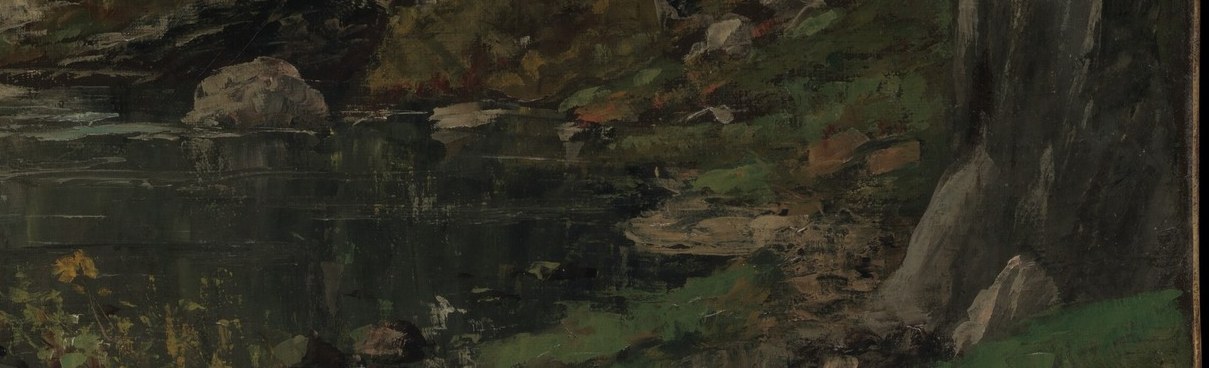
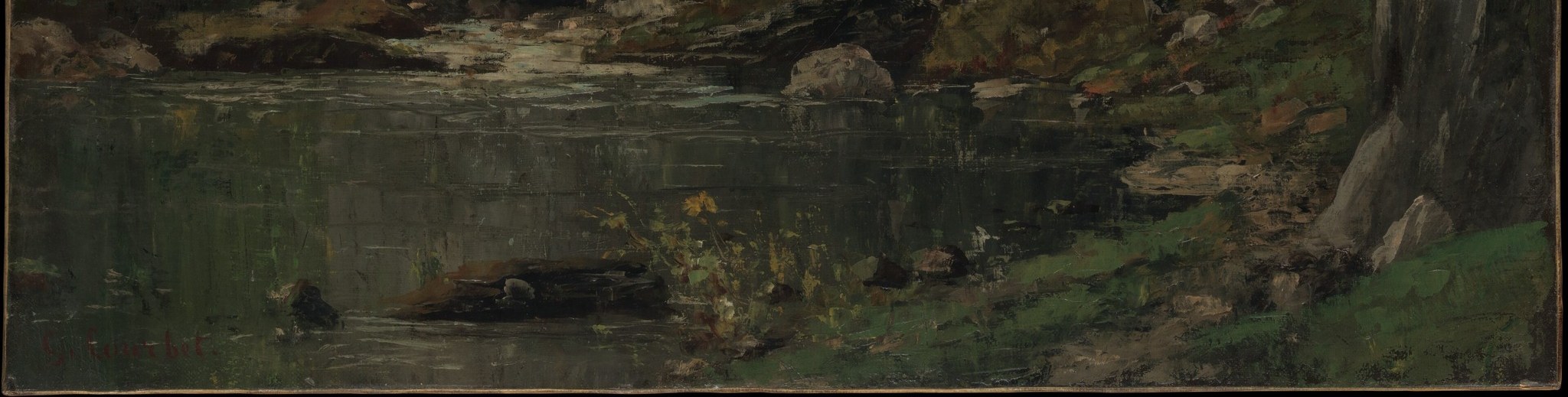
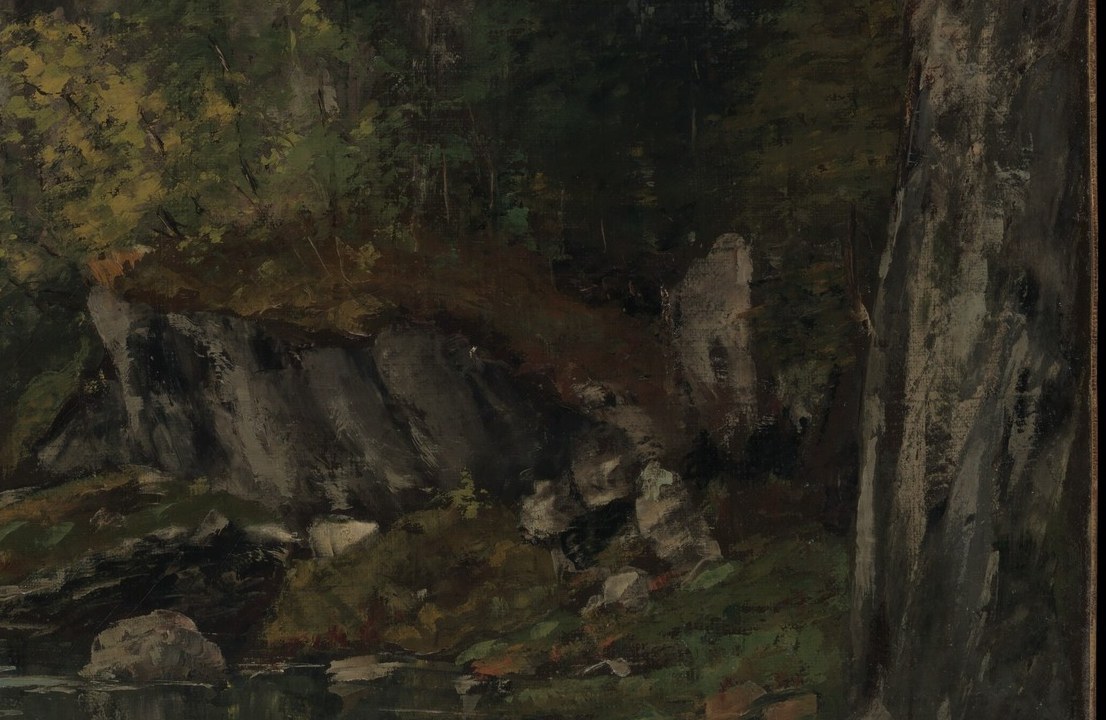
Notice the thick, textured brushstrokes in the rocks and water, a technique called impasto that makes the natural scene feel incredibly tangible. Courbet, a leading figure of 19th-century French Realism, rejected idealized scenes in favor of depicting the world as it truly appeared.
Remarkably, Courbet created this painting while living in exile in Switzerland. He had been imprisoned for his involvement with the Paris Commune and left France in 1873. Despite his personal upheaval, his artistic practice remained consistent, focusing on direct observation and unvarnished truth.
What do you think this unembellished view of nature might have meant to an artist in exile?
Details
Transcript
Gustave Courbet painted this quiet landscape in 1873. He chose to paint only what he could see, rejecting idealization. His thick brushstrokes make the raw nature feel tangible. But in 1873, Courbet was living in exile in Switzerland. He had been imprisoned for his role in the Paris Commune. Even in exile, he observed and painted the world directly.