George Washington at Princeton by Charles Willson Peale
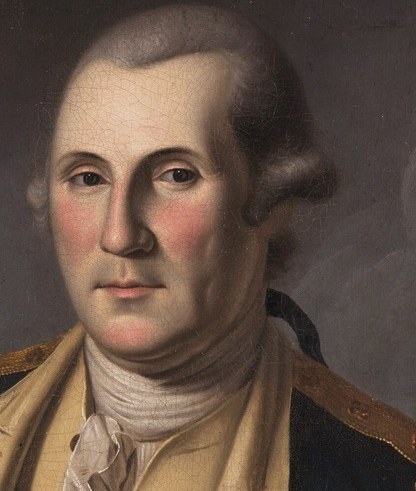
Charles Willson Peale's "George Washington at Princeton," painted in 1779, fetched an astonishing $21.5 million at auction, setting a record as the highest price ever paid for an American portrait. This compelling work captures Washington's leadership shortly after the Revolutionary War.
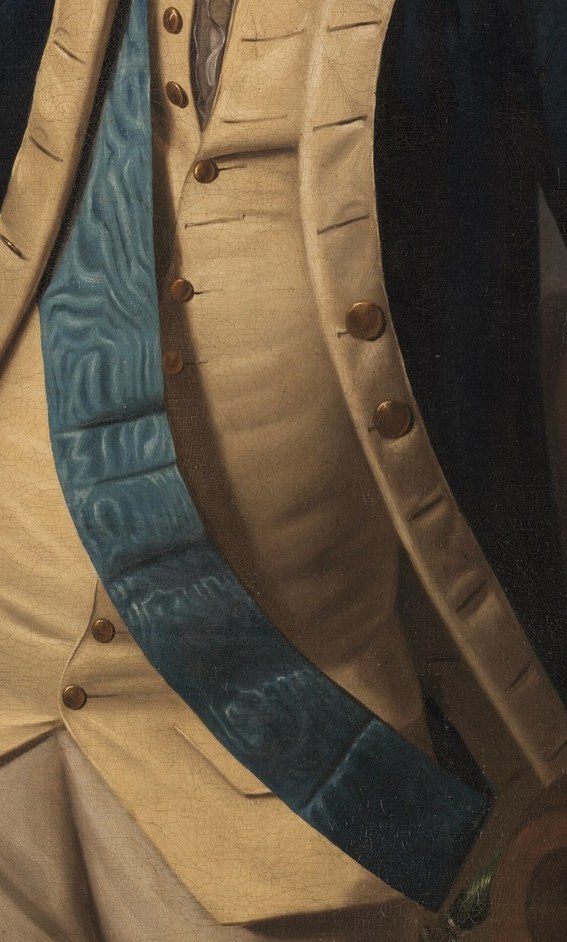
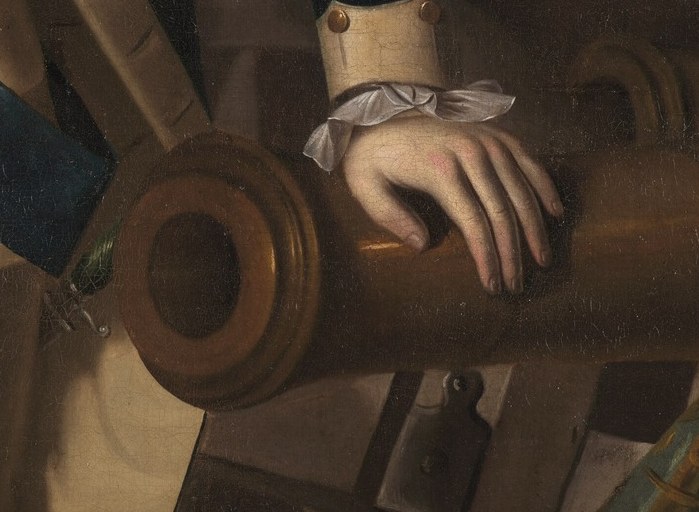
Look closely at Washington's pose, particularly his left hand resting firmly on the cannon, a powerful symbol of his military command. The richly detailed blue sash across his chest further emphasizes his rank and significance. The artist, Peale, was not only a painter but also a soldier who served alongside Washington in the Continental Army.
Peale was a remarkable figure, also known for founding the Philadelphia Museum, one of America's first museums. His personal experience in the war informed the realistic details of this portrait, creating a lasting image of the nation's founder. The painting is now part of the collection at The Cleveland Museum of Art.
This portrait not only commemorates a pivotal moment in American history but also stands as a testament to its enduring artistic and financial value. What details capture your attention most in this historic piece?
Details
Transcript
This painter was a soldier in the Revolution, like Washington. He painted this portrait in 1779, right after the war. Washington's left hand rests on the cannon, showing his command. His blue sash signifies his importance and military rank. The painter also founded one of America's first museums. More than 200 years later, it sold for $21.5 million.