Morning on the Seine near Giverny by Claude Monet
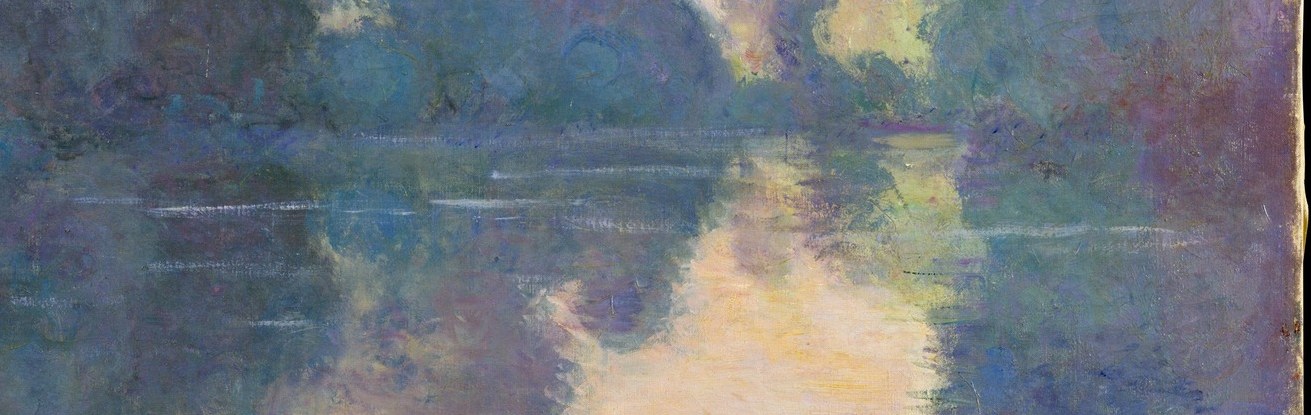
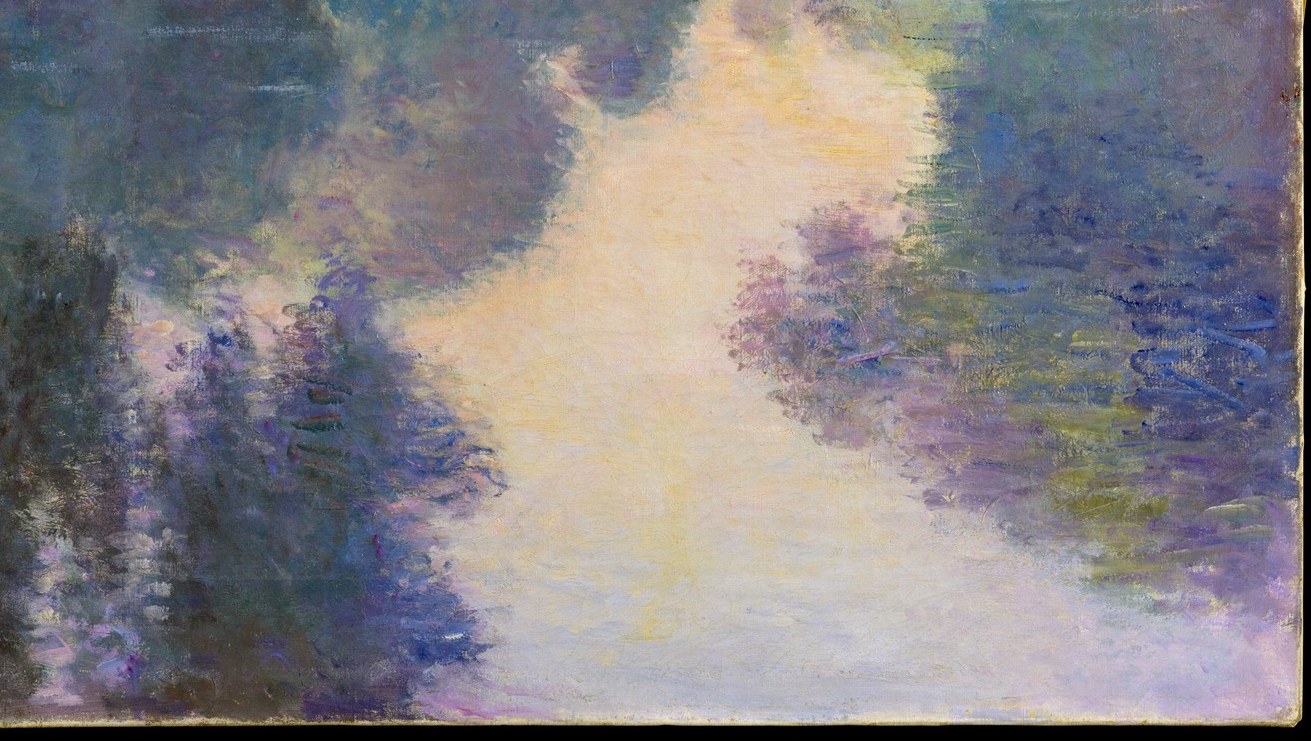
Claude Monet's "Morning on the Seine near Giverny," painted in 1897, is a masterful example of Impressionist technique, on view at The Metropolitan Museum of Art. Monet captures the ethereal quality of morning mist and light on water with soft, wavy brushstrokes, blurring the lines between sky and river.
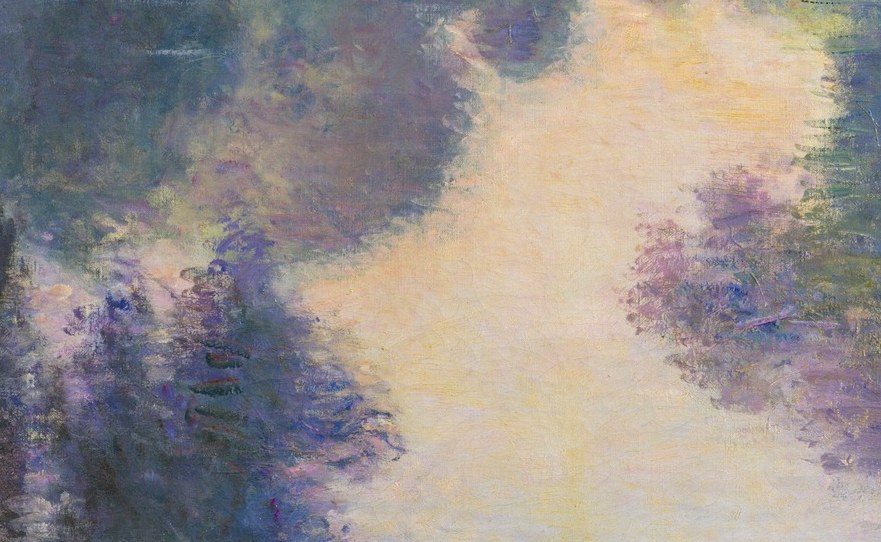
Notice the indistinct horizon where the water merges seamlessly with the sky, creating a sense of tranquil depth. The reflections on the river's surface are not precise mirrors, but rather shimmering suggestions of the world above, an illusion achieved through thick, vibrant application of oil paint.
This painting is part of a series Monet created in the late 1890s, focusing on the Seine near his home in Giverny. He was fascinated by the fleeting effects of light and atmosphere, often painting the same scene multiple times to capture different conditions. This commitment to observation and capturing the 'impression' of a moment cemented his legacy as a founder of Impressionism.
How does this play of light and shadow on the water make you feel?
Details
Transcript
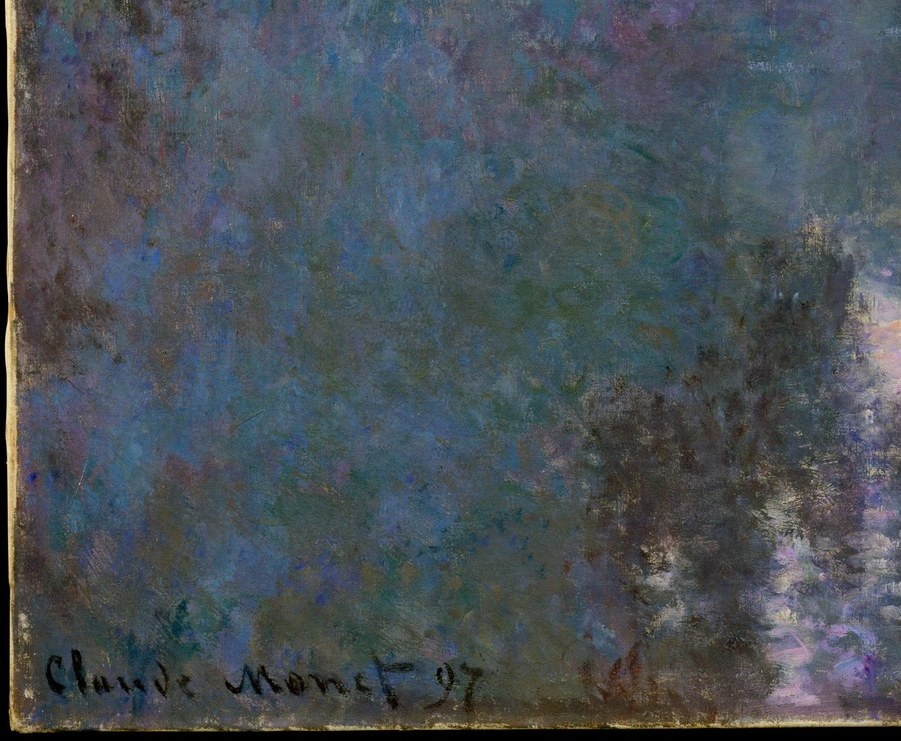
This painter captured light and mist like no one else. See how the misty horizon blends into the sky. He uses soft, wavy strokes to blur the world. The river reflects the sky, dissolving into light. Only oil paint can conjure this shimmering illusion. His signature is almost lost in the painted light.