Cityscape by Jacob Maris
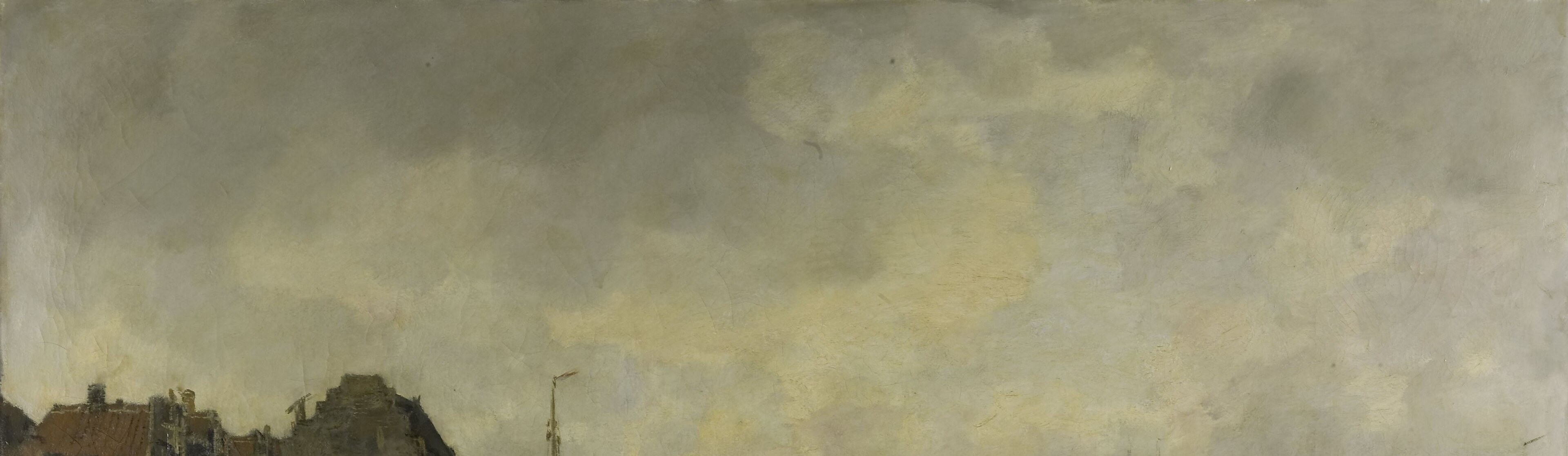
Jacob Maris's "Cityscape," painted in 1898, is a masterclass in atmospheric landscape, now held at the Rijksmuseum. Far from a simple scene, it's a profound visual statement about Dutch national identity and its deep connection to its environment and economy.
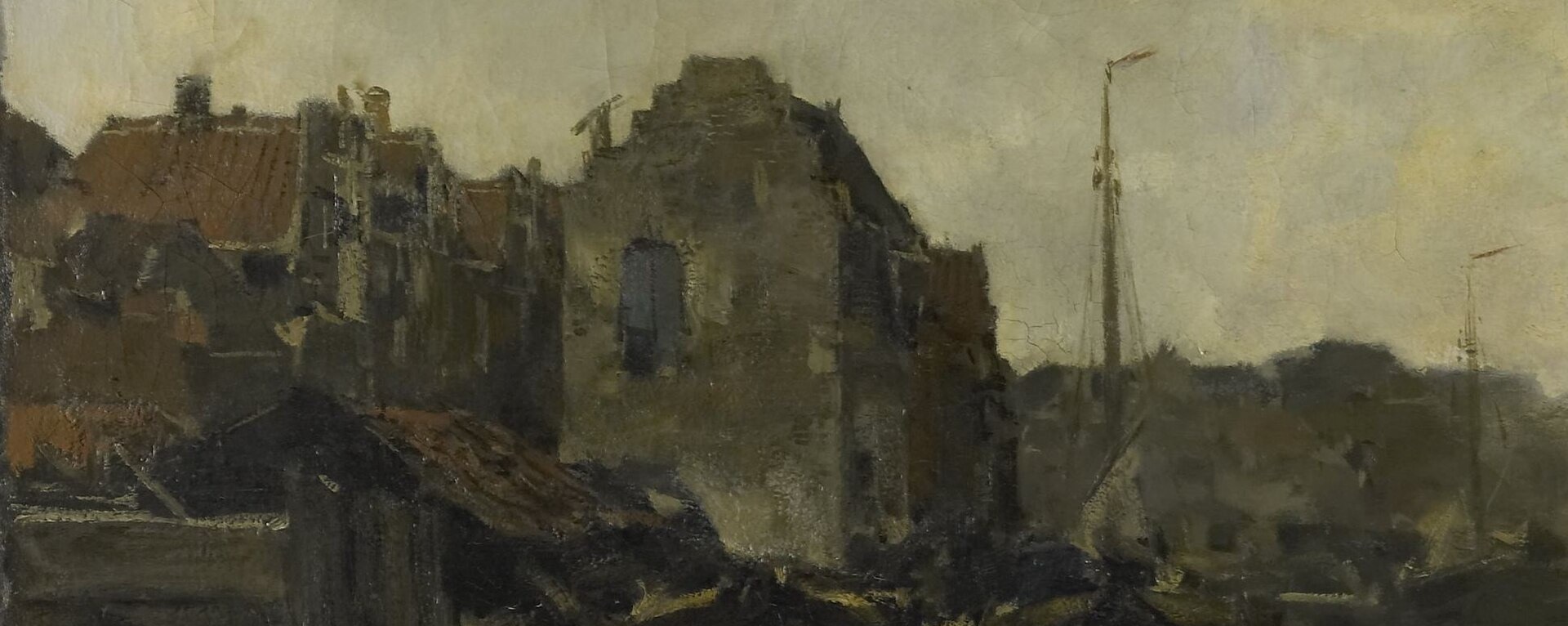
Notice the vast, cloud-filled sky and the muted light, characteristic of the Hague School, which sets a contemplative mood. The subtle reflections in the water and the quiet presence of the solitary boat invite a moment of pause. Maris's loose, sketch-like brushwork adds to the dreamlike quality.
From the distant windmill, symbolizing Dutch ingenuity and land reclamation, to the masts of tall ships hinting at maritime trade, and the aged brick warehouses representing a history of industry, every element is a quiet ode to the country's enduring spirit.
What other subtle details do you notice that speak to the painting's quiet power?
Details
Transcript
This painting by Jacob Maris, 1898, is more than it appears. It's a study in Dutch identity, starting with the sky. The muted light, a signature of the Hague School, evokes a contemplative mood. The distant windmill symbolizes Dutch ingenuity and land reclamation. And these tall ship masts represent the nation's maritime trade. Even the aged warehouses speak to a history of industry. It’s a quiet ode to the country's enduring spirit.