Mrs. Thomas Horne by Cotes, Francis
This is 'Mrs. Thomas Horne,' a portrait in oil by Francis Cotes, painted around 1769. It hangs in quiet now, but it represents a gamble. Cotes was already celebrated, widely considered the best pastel portraitist working in England. But pastel was not taken as seriously as oil by the cultural powers of the time.
When the Royal Academy was founded in 1768, Cotes wanted in as a founding member. There was one problem: the Academy's constitution did not admit pastel painters. So, in mid-career, he fundamentally retrained his hand, shifting from the dry, silky touch of chalk to the slow, layered depth of oil.
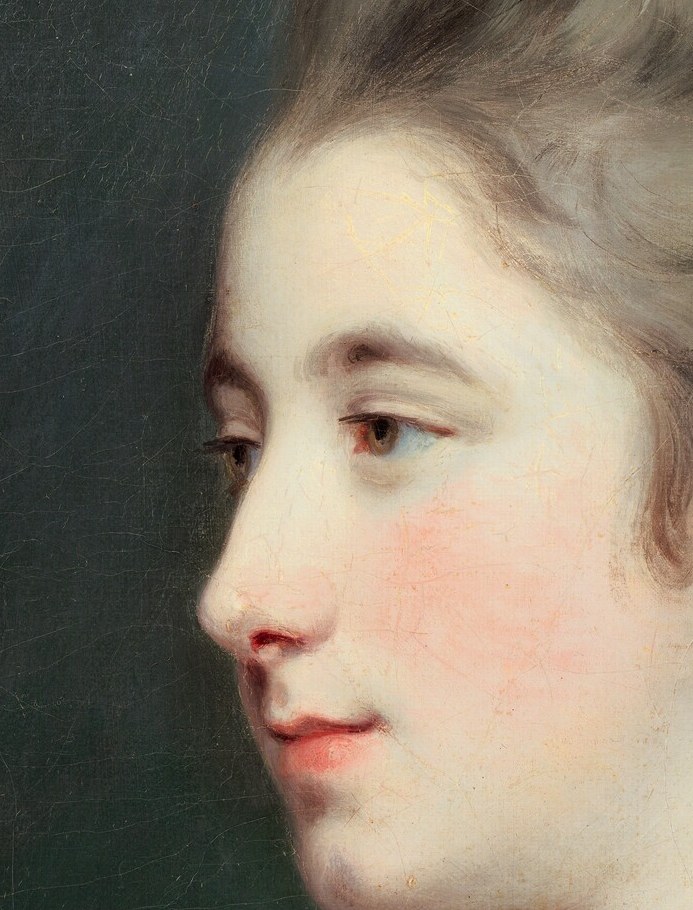
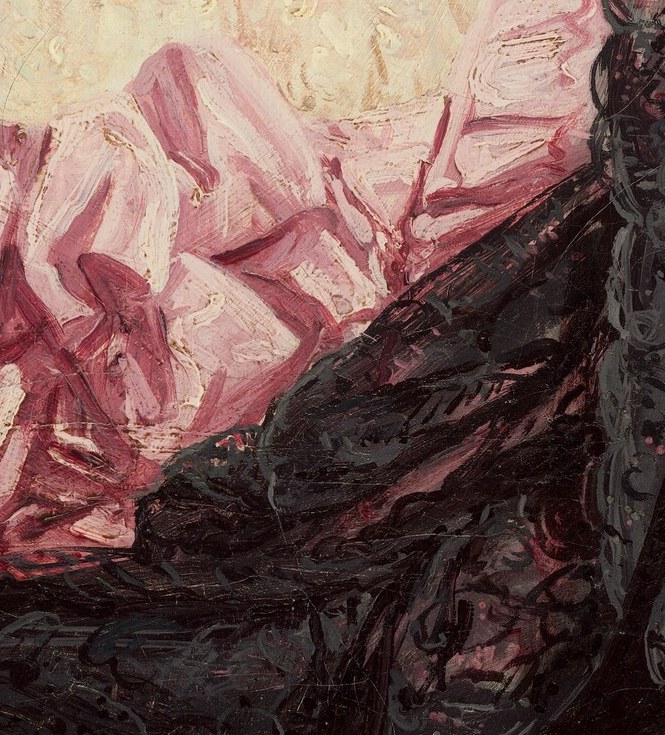
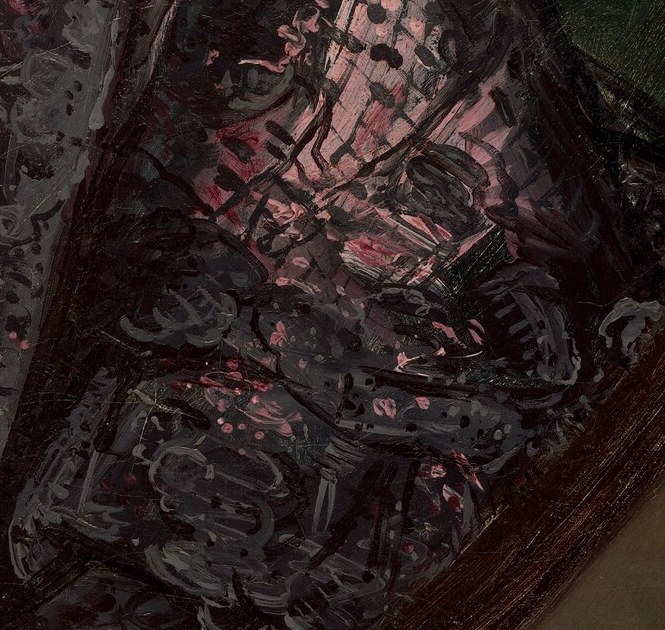
Look at the black lace shawl and the handling of her skin. You can still feel the sensitivity of the pastelist in the oil paint, the smooth rendering of her complexion, the intricate, linear detail of the lace texture. The painting is the record of a master learning a new instrument, note by note.
Cotes got his wish. He became a full Academician. But the work of his final decade is often a quiet blend of both sensibilities, as seen here. What skill would you be willing to abandon to cross into a new room?
Details
Transcript
Before this was painted, the artist made a choice. Francis Cotes was the finest pastel portraitist in England. But here, he put the chalk down. The softness of her skin is now built in oil. He wanted to be a founding member of the Royal Academy. And they did not admit pastel. Only oil. So he taught his hand a new language. His pastels are almost all that survive now.