Portrait of a Young Man by Benedetto Pagni
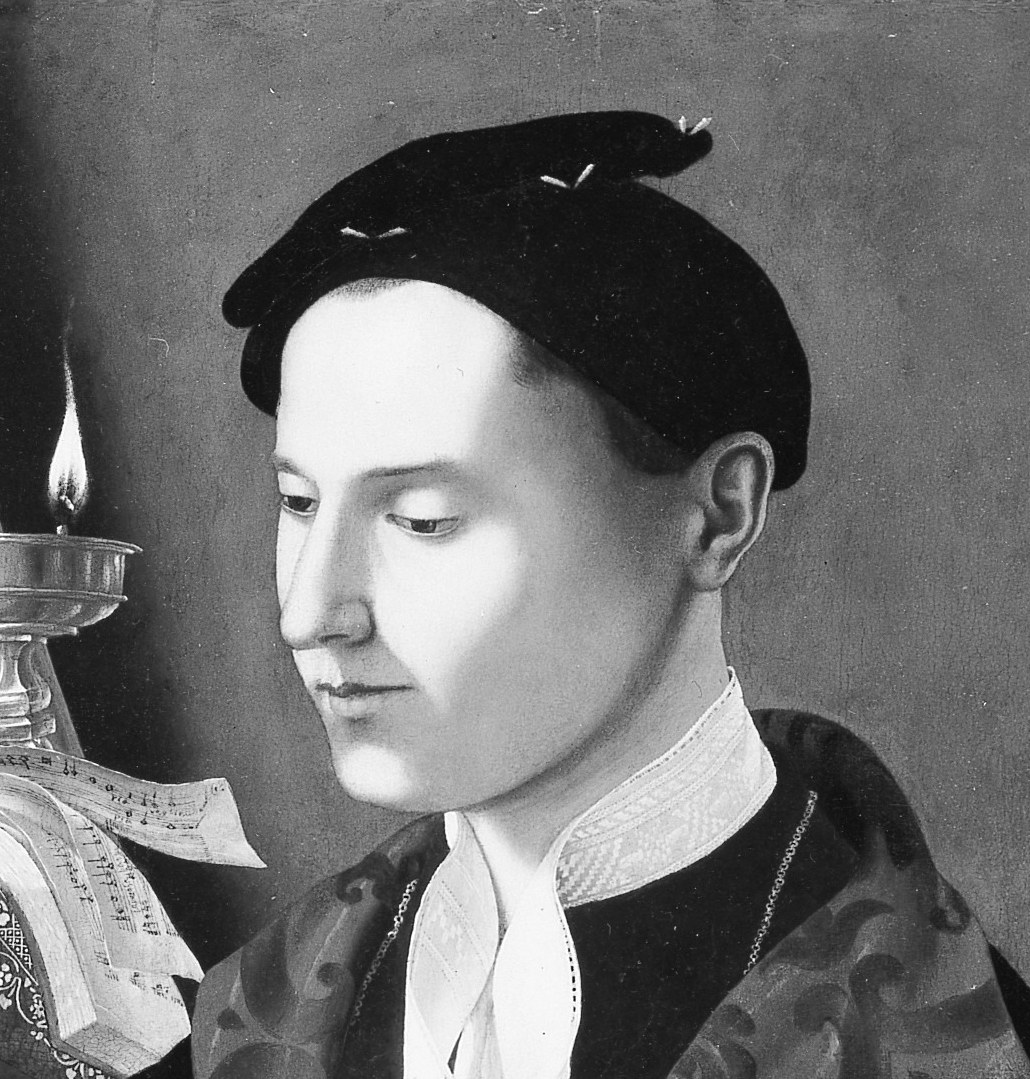
Benedetto Pagni's *Portrait of a Young Man*, painted in 1551, is a fascinating example of Italian Mannerist portraiture, now housed at The Metropolitan Museum of Art. What seems like a straightforward depiction is in fact rich with subtle symbols of the sitter's status and character.
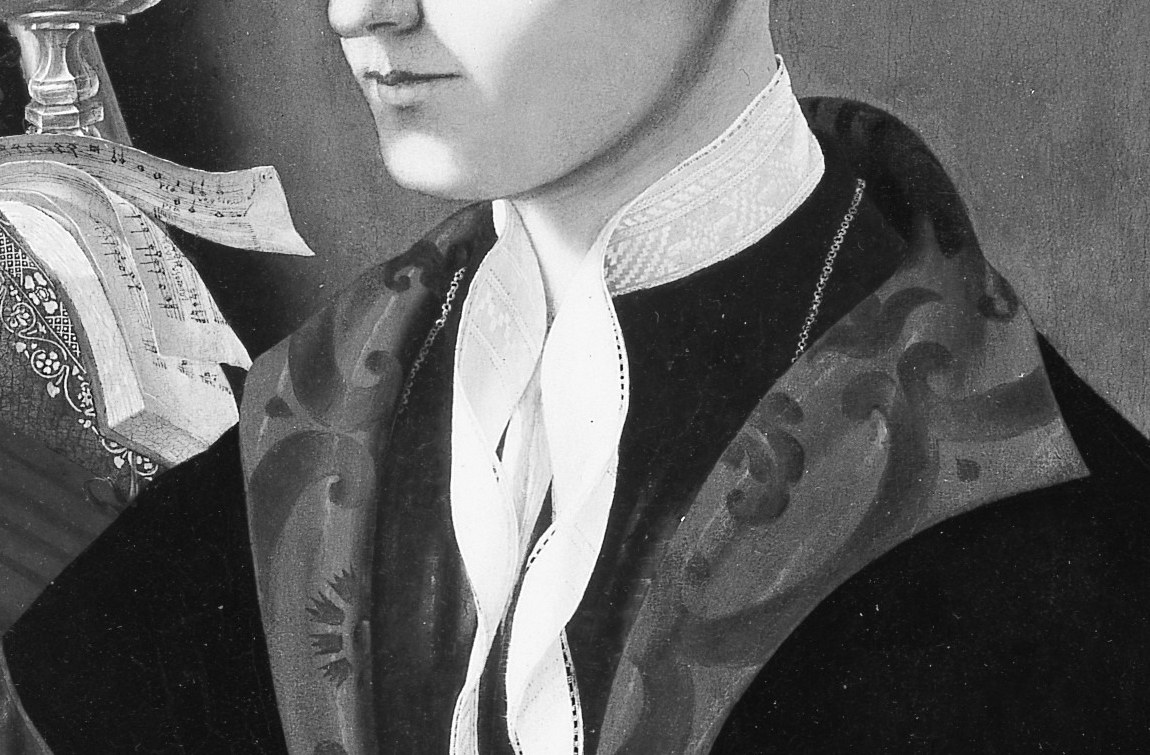
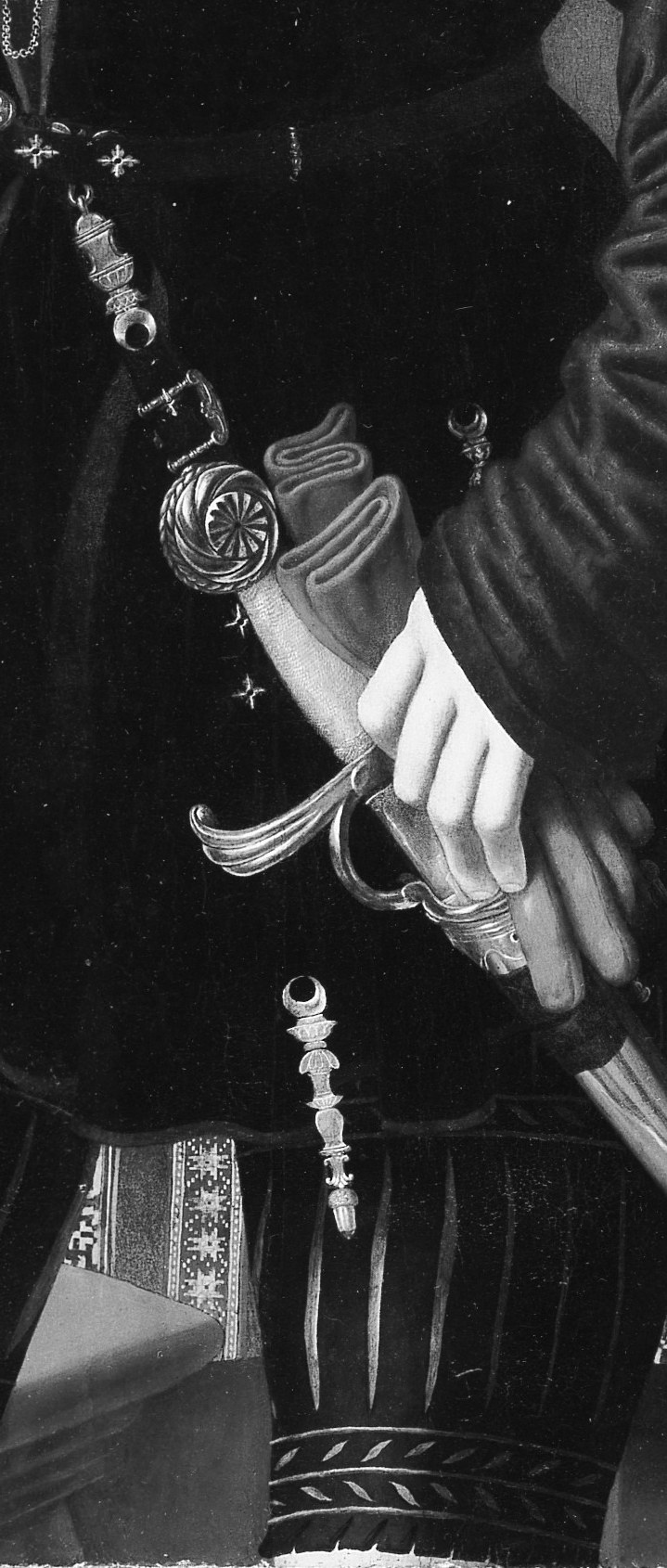
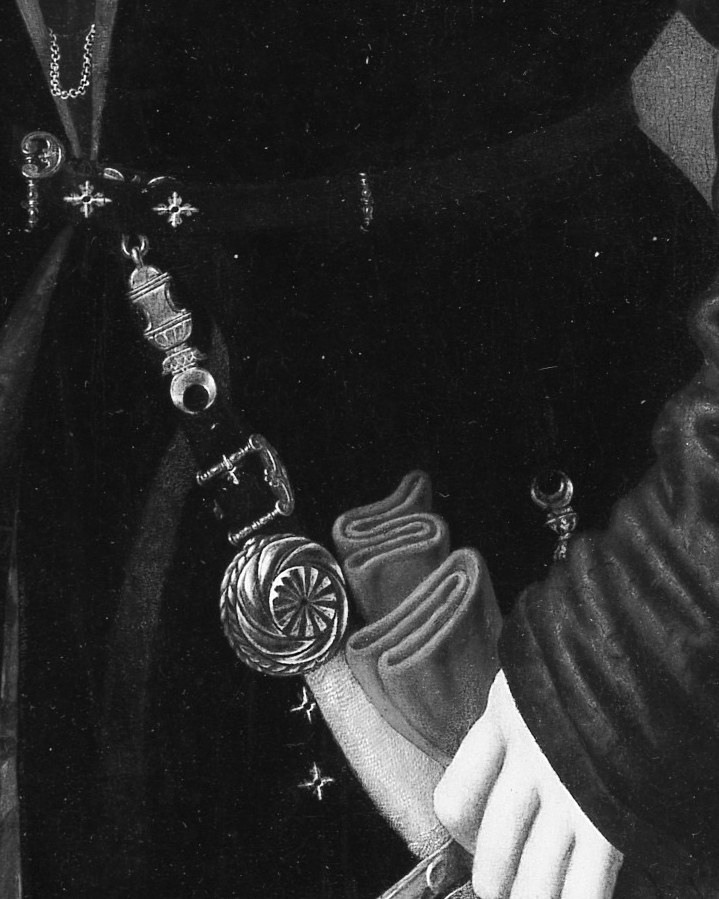
Notice the contrast between the young man's elegant white collar and his dark doublet, sculpted by Pagni's use of chiaroscuro. The inclusion of a sword and a small lapdog speaks to the 16th-century ideals of martial valor and personal loyalty, while exotic birds almost blend into the background, signaling wealth and global connections.
Pagni honed his skills under Giulio Romano, contributing to the grand decorative schemes of the Palazzo del Te before establishing his independent practice. This painting reflects his mastery in conveying depth and meaning through meticulous detail, rewarding a closer look at every element.
What other hidden details do you spot in this intriguing portrait?
Details
Transcript
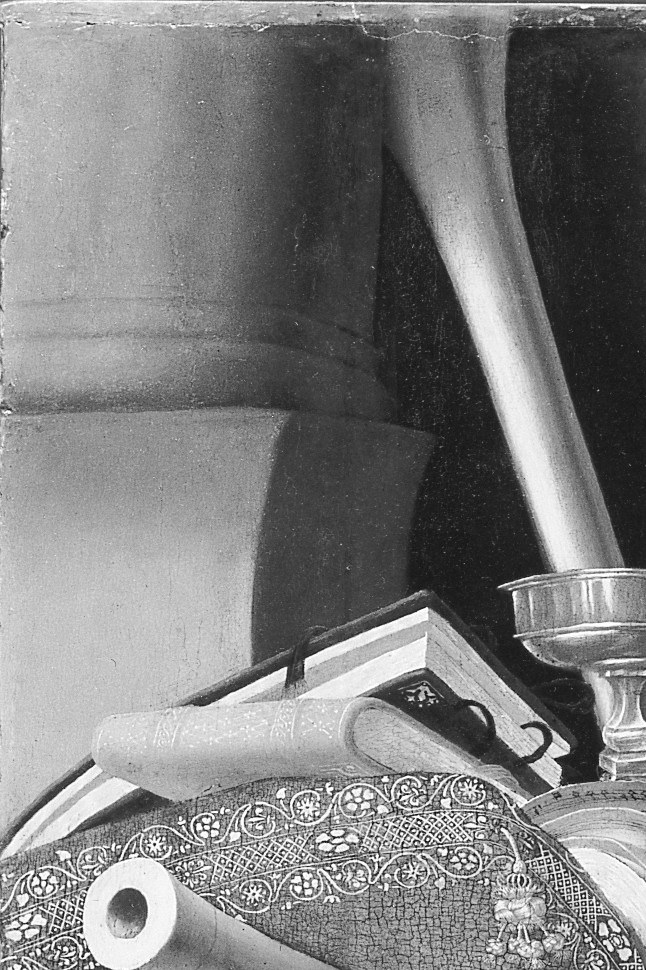
This young man appears quite ordinary at first glance. But the details signal his high status and virtue. A sword for valor, a small dog for loyalty. His relaxed grip on the hilt signals rank, not readiness. Even exotic birds perch, nearly hidden in the shadows. This painter was Benedetto Pagni, a master of Mannerist technique. He trained under Giulio Romano in the 16th century.