Autumn by Hugh Bolton Jones
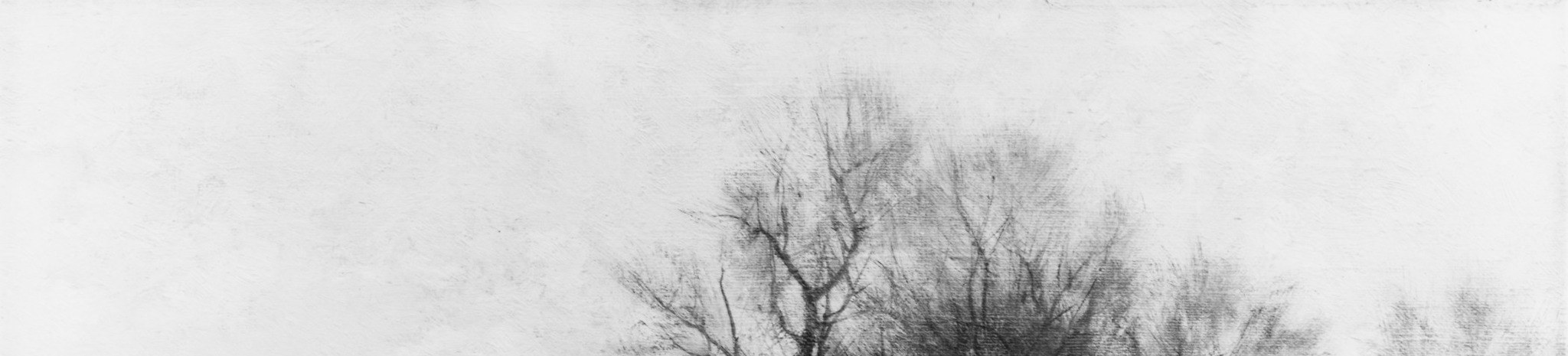
Hugh Bolton Jones painted "Autumn" in 1891, and it now hangs in the Metropolitan Museum of Art. It is a landscape completely empty of people, and that is precisely the point. Jones built his career on these quiet, unpeopled scenes of the eastern United States, and this one is a masterclass in restraint.
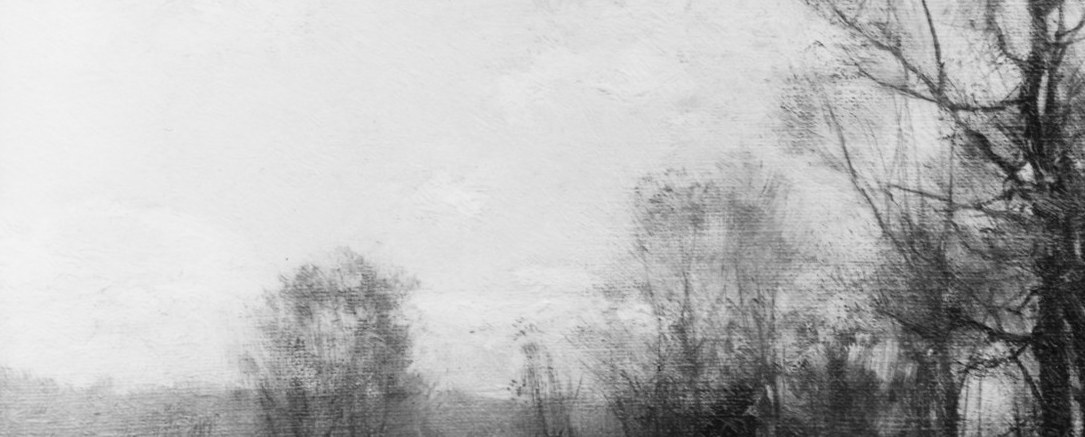
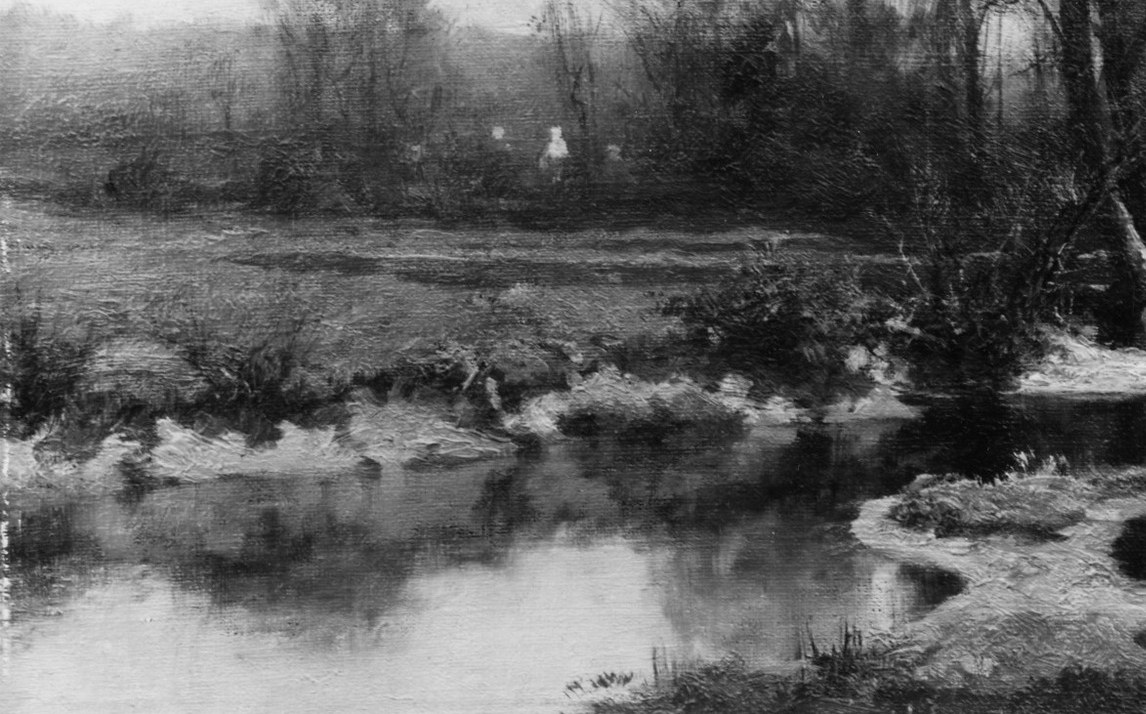
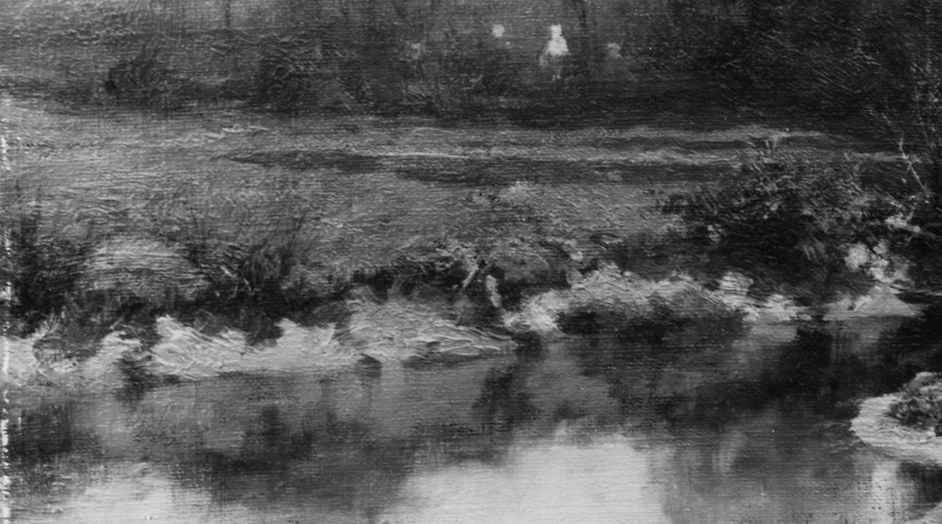
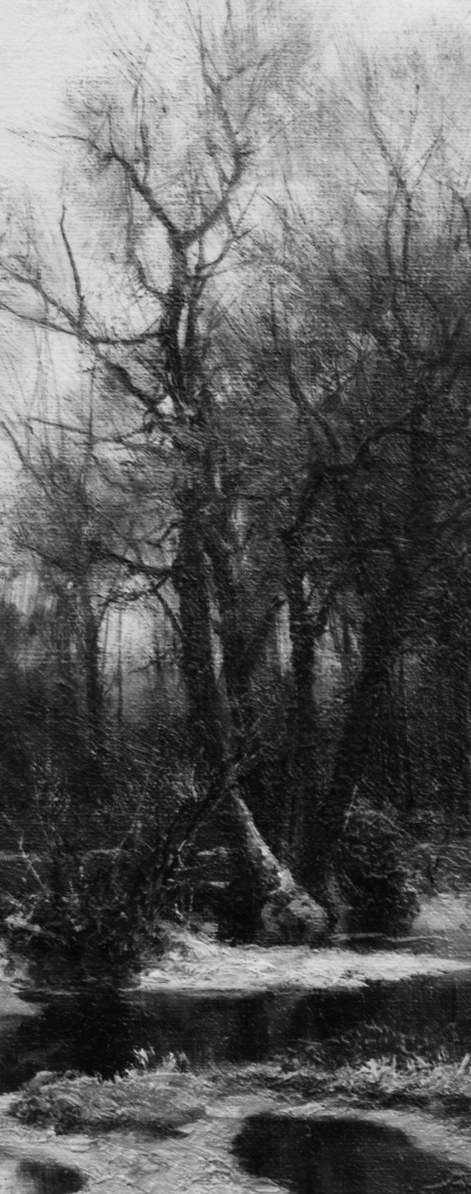
Three things to look at. First, the distant treeline along the far background, it nearly disappears into the haze. That is aerial perspective at work, a Hudson River School technique Jones absorbed from his mentor Frederic Edwin Church. The further the trees, the less they exist, and that recession is what gives the painting its depth. Second, the foreground pond. It does not simply sit dark; it carries a pale, ghostly reflection of the overcast sky above. That passage is where Jones's brushwork is most visible. Third, the bare branches of the central tree, their lace-like negative space against the pale sky creates an intricate texture that rewards a long look.
Jones trained in Baltimore and New York, then spent four years in Europe before settling in New York in 1881. He shared a studio with his brother Francis Coates Jones for the rest of his life and won prizes in major exhibitions on both sides of the Atlantic. His work sits in the Smithsonian as well as the Met.
Next time you see a painting of bare trees and still water, look for the techniques hiding in plain sight. What detail would draw your eye first?
Details
Transcript
At first glance, a quiet, empty landscape. But look at how the distant trees almost dissolve. That's aerial perspective: atmosphere eats the farthest forms. Now the still water. It doesn't just sit dark. It holds a ghost mirror of the overcast sky. Hugh Bolton Jones studied under a Hudson River School master. He painted this in 1891, but its stillness belongs to no century.