Bandits on a Rocky Coast by Salvator Rosa
Salvator Rosa's "Bandits on a Rocky Coast," painted in 1657, is a prime example of his groundbreaking approach to art. Housed at The Metropolitan Museum of Art, this painting showcases his preference for wild, untamed nature over conventional subjects.
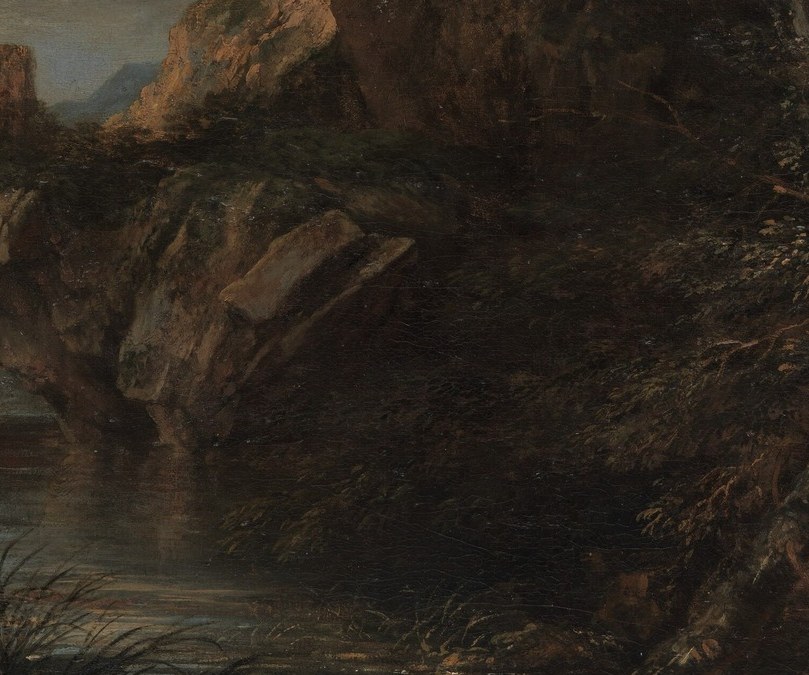
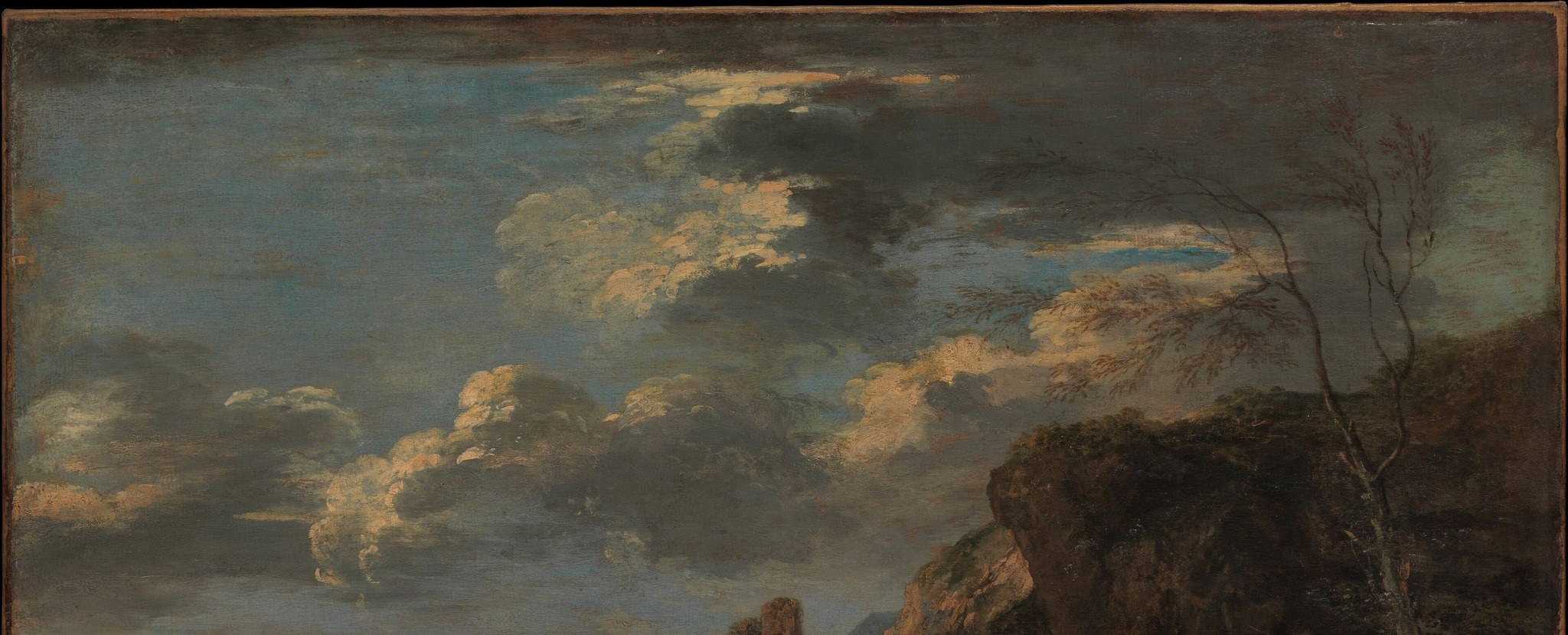
Observe the dramatic interplay of light and shadow, particularly in the stormy sky and jagged rocks. The figures, a band of armed bandits, are positioned as central to this desolate landscape, drawing the viewer into their tense narrative.
Rosa, a prominent figure in 17th-century Italian art, was also a poet, satirist, and printmaker. His caustic wit often made him enemies, and his art reflects a departure from traditional themes, focusing instead on outcasts and the sublime power of nature. This piece embodies his rebellious spirit.
His works were highly influential, shaping the romantic landscape movement for centuries. What do you find most striking about this dramatic scene?
Details
Transcript
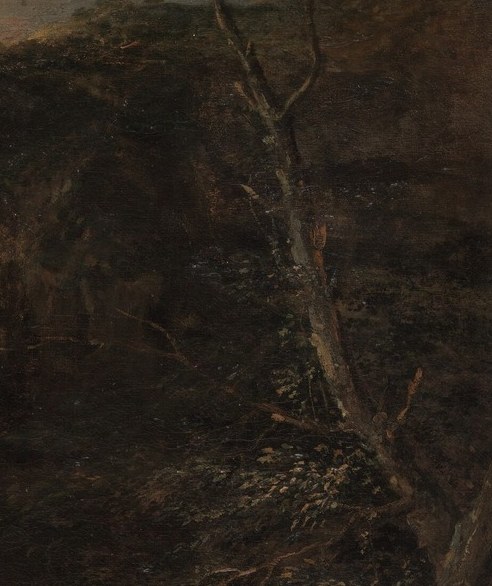
This painter was known for dramatic landscapes, not gentle scenes. His scenes often featured bandits and figures on society's fringes. He was a satirist who earned enemies in artistic circles. Look at the dark, wild landscape, a hallmark of his style. The dramatic sky amplifies the scene's tension and foreboding. He rarely painted common religious themes, preferring untamed nature.