The Leland Sisters by Sully, Thomas
Thomas Sully painted "The Leland Sisters" around 1830, and the painting now lives at the National Gallery of Art. Two young women in matching red dresses stand close, looking directly out at us. But the deepest story here is not in their gaze. It is in their hands.
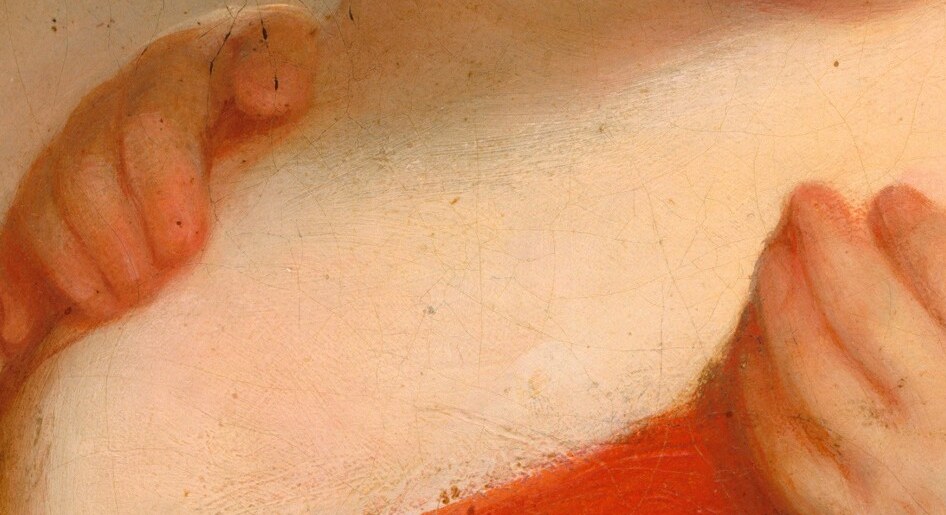
Watch how their hands mirror each other on the shared shoulder. One rests there gently. The other hand comes up and lands on the exact same place. It is a small, quiet gesture of mutual affection that turns two individual portraits into a single statement about what it means to belong to someone.
Sully was an American painter born in England in 1783. By the time he made this picture, he had spent decades painting prominent Philadelphians, including Thomas Jefferson and a young Queen Victoria. But around 1830, he also faced the death of his older brother, Lawrence, who had been his business partner and fellow artist. The chronology of the painting makes it tempting to see this act of painting two sisters, connected by a simple touch, as a meditation on what he had lost.
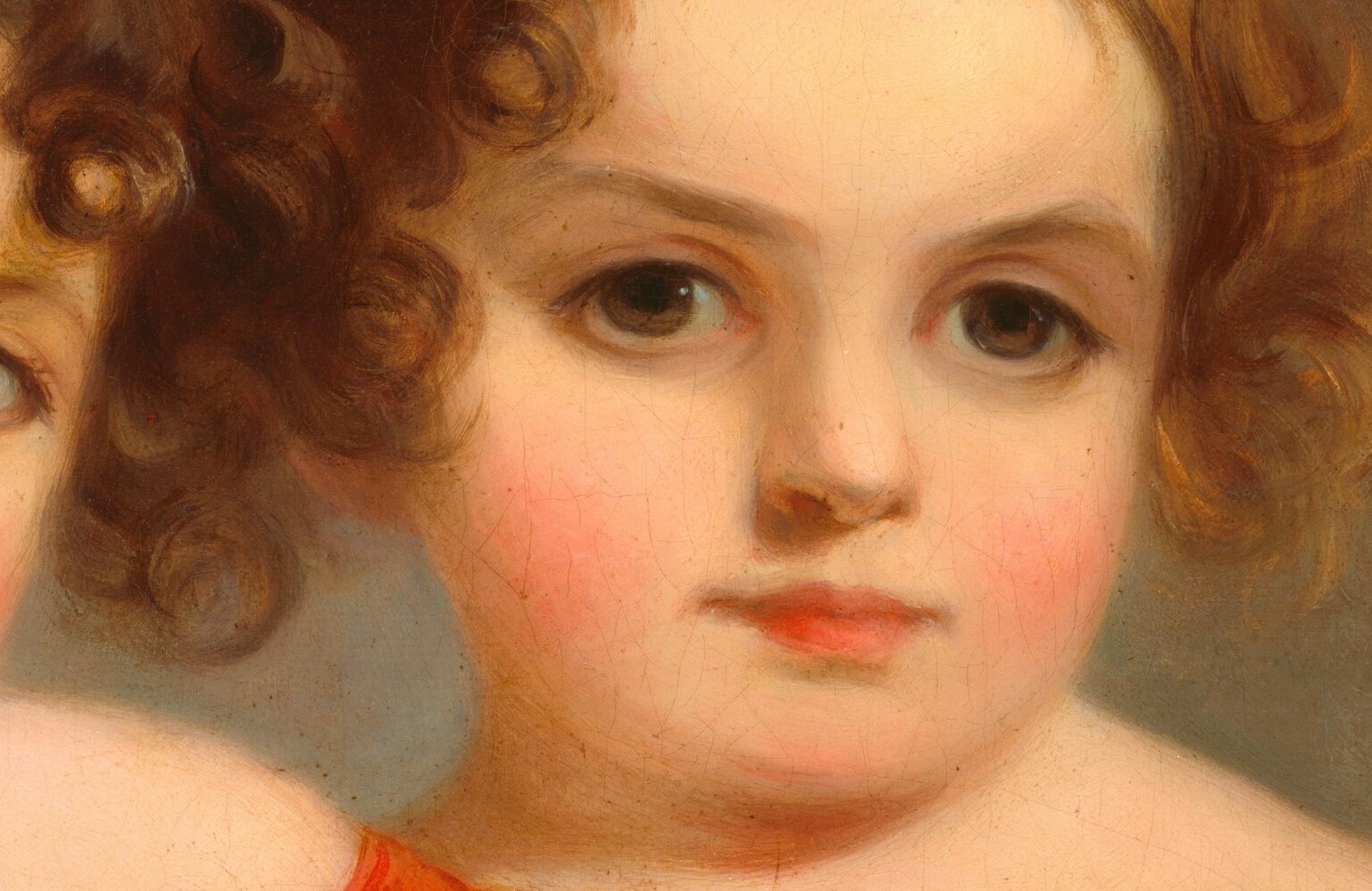
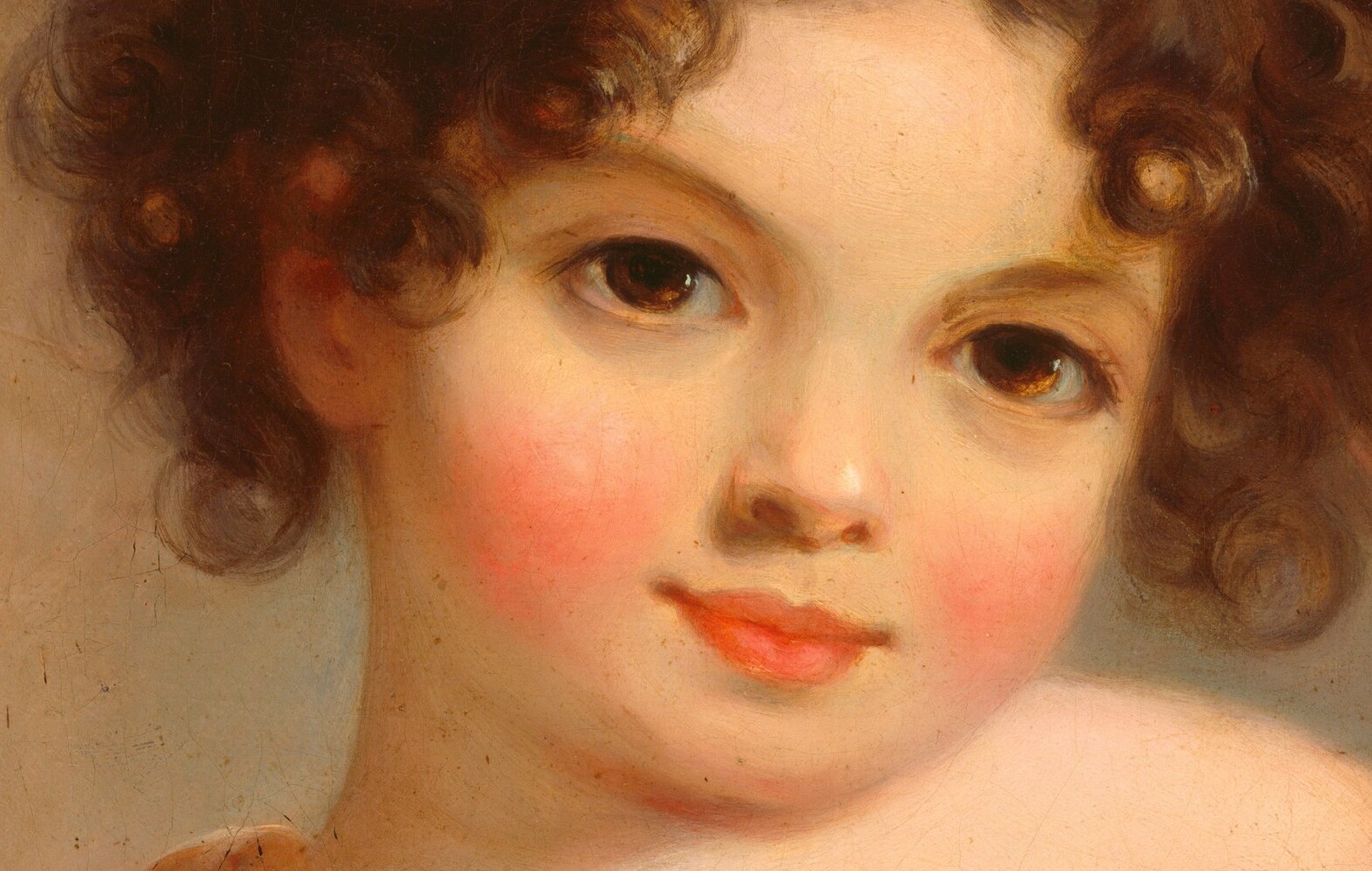
The light in the left sister's eye is impossibly small and impossibly specific. A single white dot. Sully knew that a portrait's life does not rest in the grand gesture. It rests in that dot. Once this canvas was a commissioned record of two girls from a private family. Now, nearly two centuries later, it holds something else: a quiet insistence that the bonds we form matter, and that a hand on a shoulder can say everything.
Details
Transcript
They are dressed for company, but they are alone. Her hand rests on her sister's shoulder. And her sister's hand finds the exact same spot. Thomas Sully was sixty-four when he lost his own brother. He painted these sisters around that same year. Look at the light he gave her eye. A single point of white that holds a whole person. Once this painting was a record. Now it is an act of memory.