An English Breakfast by Peto, John Frederick
This is John Frederick Peto’s "An English Breakfast," painted around 1894. At first glance it looks like a simple kitchen scene, just a fish on a table with a kettle behind it. But Peto was working in a much older tradition, borrowing the coded language of 17th-century Dutch still life to say something quieter and more personal.
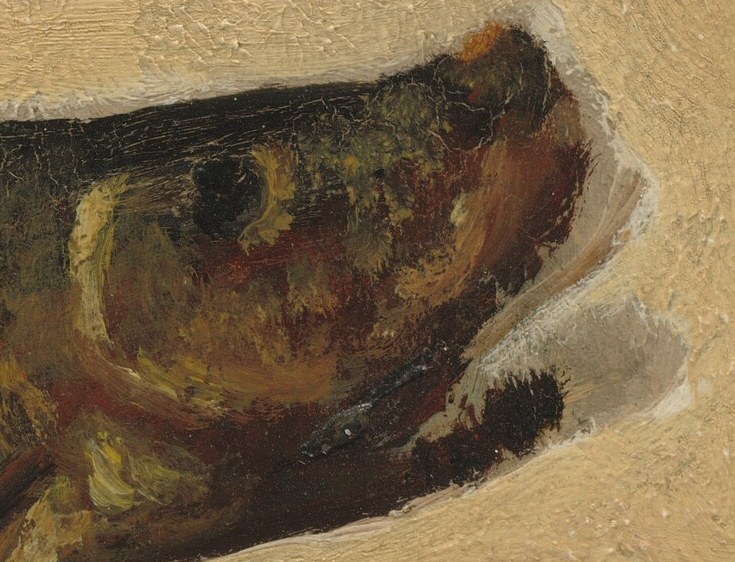
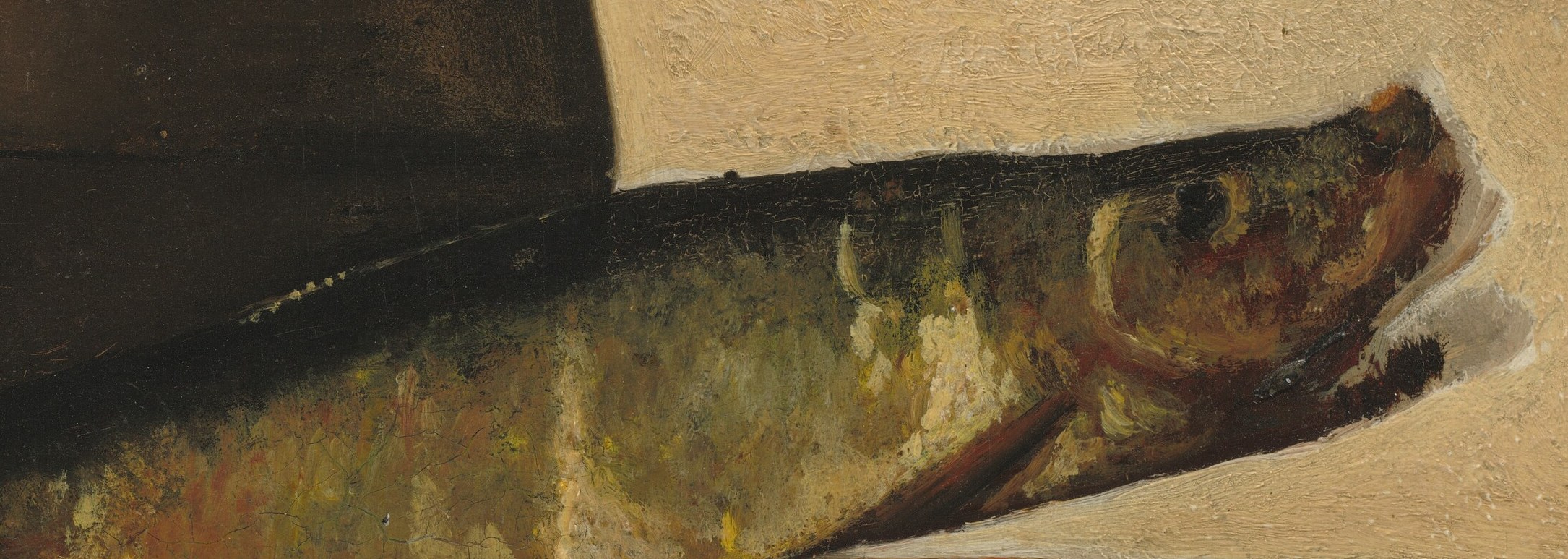
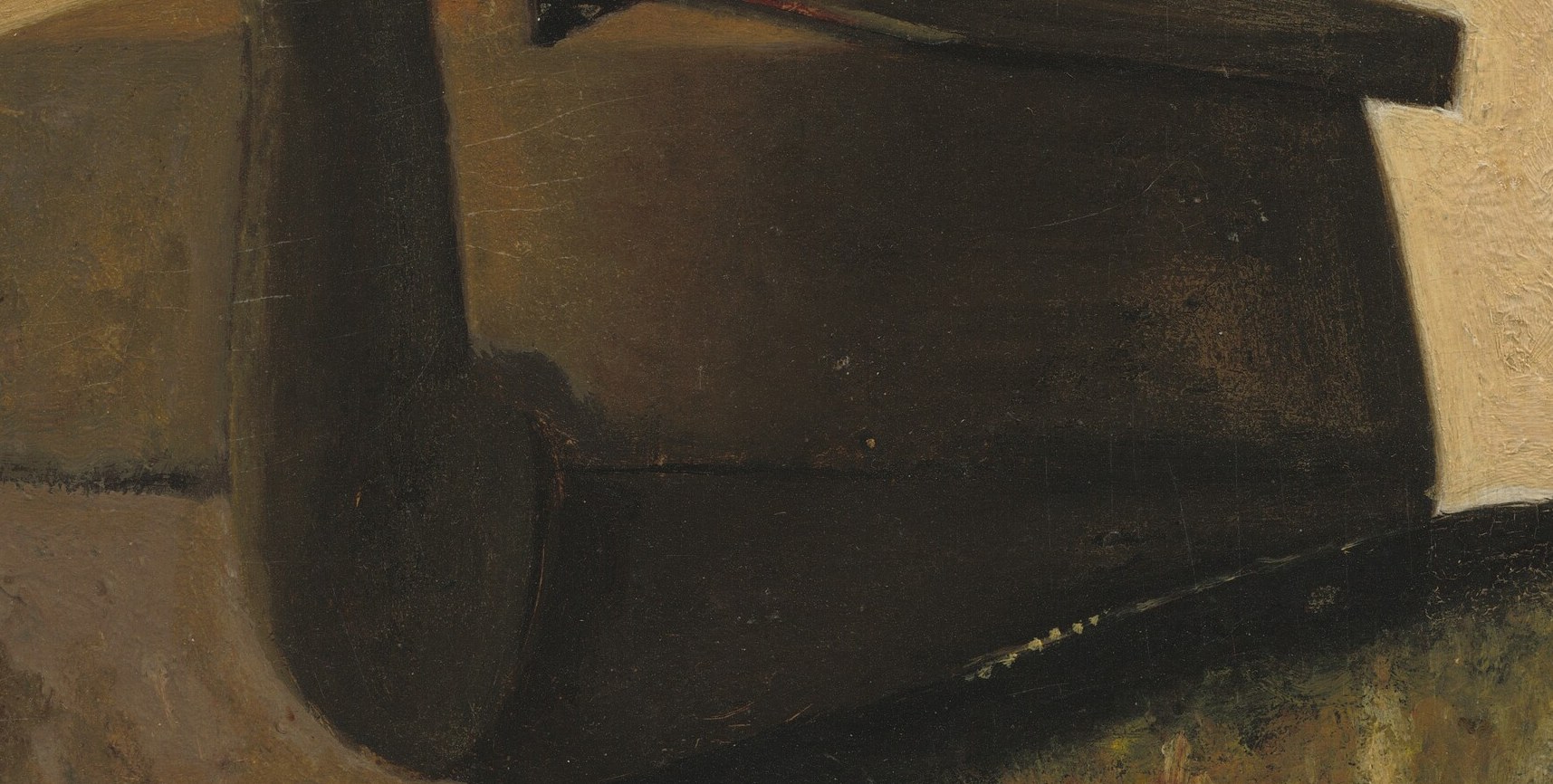
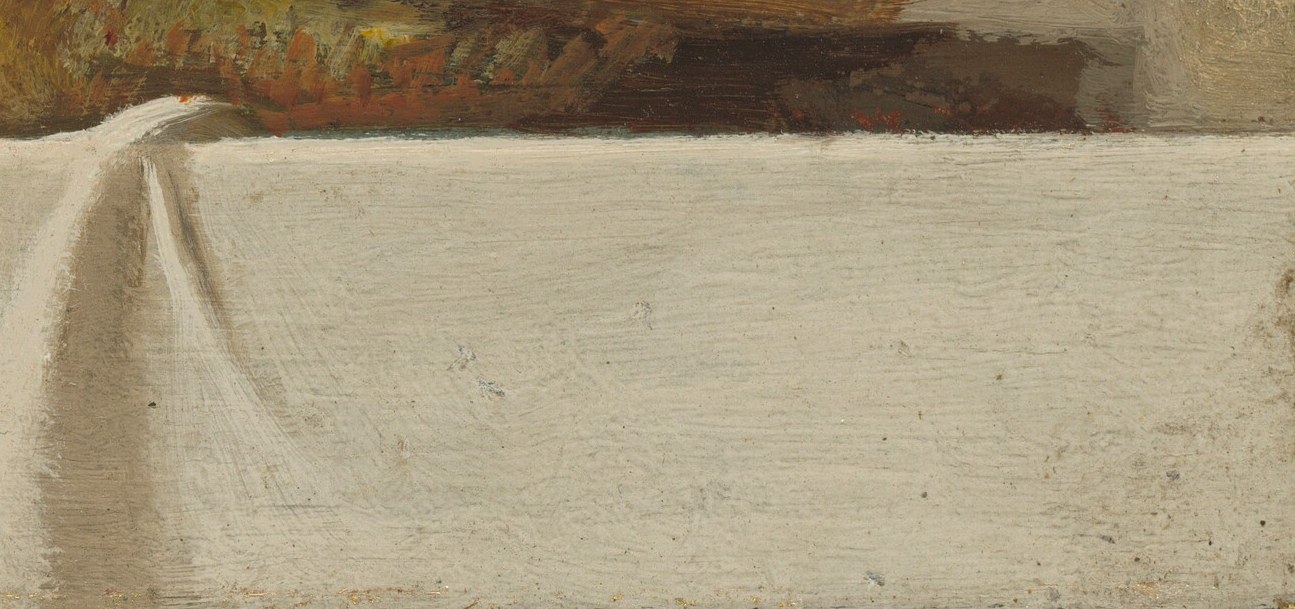
Look at the fish itself. The mouth turns down, the eye is empty. In the Dutch tradition a dead fish was never just a fish; it was a reminder that life ends, that the body fails. Behind it, the kettle sits dark and closed. No steam rises from it. A covered or overturned vessel in these old codes stood for a life extinguished, the same job a snuffed candle would do. Even the white cloth reads differently once you know the rules: a table set for a meal that nobody will eat.
Peto painted this near the end of his own life, long after he had left a career in portraiture and retreated into small, intimate still lifes. What looks like a simple study of everyday objects is really a reflection on time and loss, painted by an artist who knew both.
The breakfast in the title isn't a description. It's an invitation. The meal has been laid out for whoever is looking.
Details
Transcript
A simple meal. A fish and a kettle. But look at the fish. Its mouth droops, its eye is vacant. In 17th-century Dutch tradition, a dead fish meant the end of life. The kettle behind it is dark, closed, and silent. A snuffed candle is missing here, but the covered pot carries the same warning: life cools. The white cloth sets the stage for a meal that will never be eaten. Peto painted this near his own century's end, in the 1890s. A coded still life about time. The breakfast is yours, not his.