The Tax Collector and His Assistant by Marinus van Reymerswaele
Marinus van Reymerswaele's 1552 oil painting, *The Tax Collector and His Assistant*, now at the Alte Pinakothek, offers a fascinating glimpse into the world of finance during the Northern Renaissance. It vividly portrays two men engrossed in their work, surrounded by the tools of their trade.
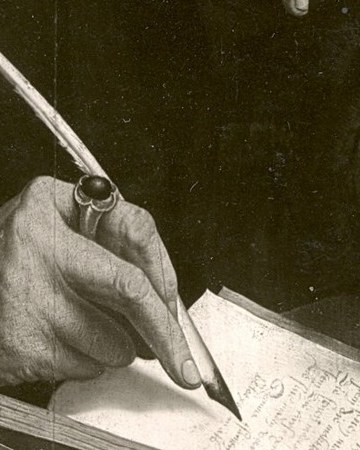
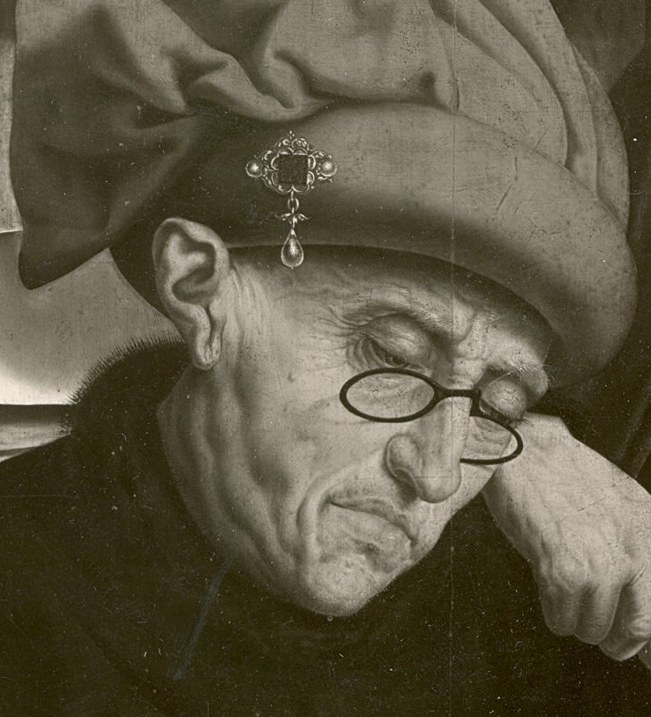
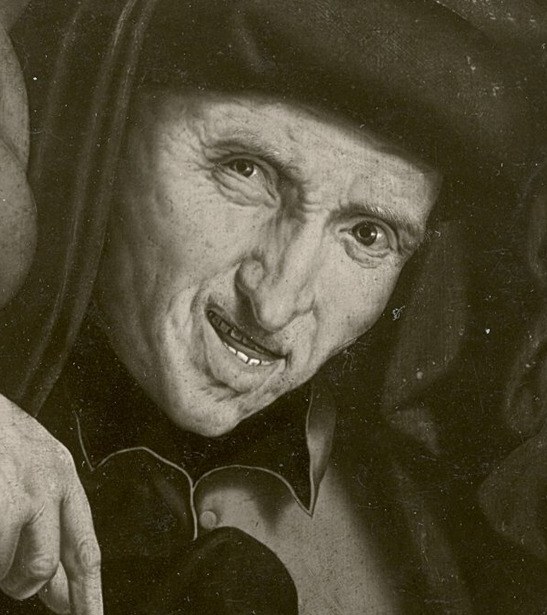
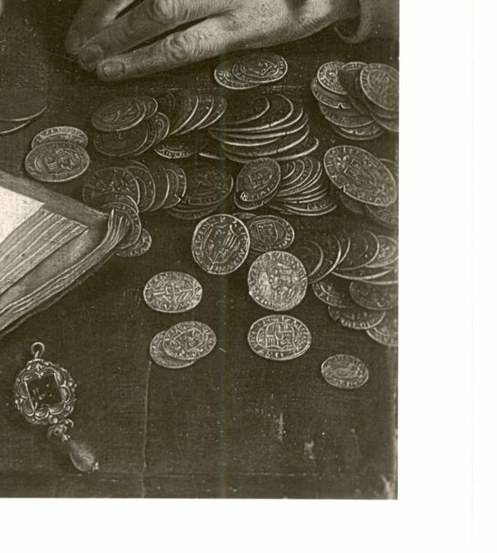
Look closely at the expressions and actions of the two figures. The tax collector, with his furrowed brow, diligently writes in the ledger, suggesting a life of meticulous, perhaps burdensome, record-keeping. In contrast, his assistant's sly grin and focus on the coins reveal a more opportunistic attitude towards their shared task.
Van Reymerswaele, a Dutch painter known for his genre scenes, often explored themes of everyday life and human character. This work, characteristic of his detailed realism, provides insight into societal perceptions of wealth and labor in the mid-16th century. It invites us to consider the enduring human motivations behind the pursuit of money.
What do you see in their faces?
Details
Transcript
This 1552 painting shows men at work, counting coins. The tax collector meticulously records entries in his ledger. His face shows the weary burden of his profession. The assistant, however, seems focused on a different reward. His sly grin hints at a more opportunistic nature. It's a stark look at wealth and human nature in the 16th century.