Parable of the Wise and Foolish Virgins by Hieronymous Francken II
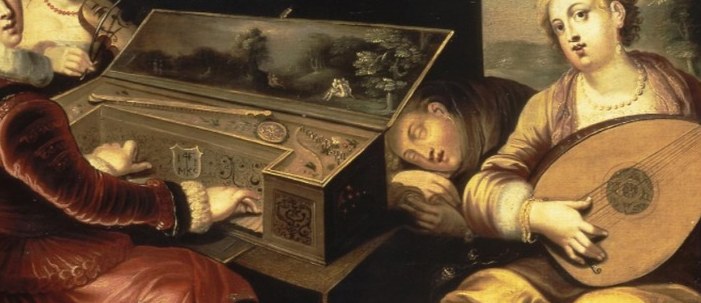
In Hieronymus Francken II's 1616 painting, "Parable of the Wise and Foolish Virgins," a familiar biblical story unfolds in an unexpected setting: a chamber concert. The Flemish Baroque artist, part of the prominent Francken family, was known for translating scriptural lessons into accessible domestic scenes.
Notice the contrast between the diligent wise virgins, ready with their lit oil lamps and engaged in music, and the foolish virgins, whose lamps have gone out. Details like scattered playing cards and a mask on the floor hint at worldly distractions that can lead to spiritual unpreparedness.
Francken the Younger played a significant role in diversifying Flemish art, creating religious, allegorical, and genre scenes. This work, now held in the State Hermitage Museum, showcases his mastery of chiaroscuro and intricate detailing, inviting viewers into an intimate observation of moral instruction.
The painting's quiet concert setting makes the timeless message of vigilance and readiness particularly poignant.
Details
Transcript
This 1616 painting tells a biblical parable. The wise virgins wait for the bridegroom, ready with their lit lamps. But the foolish virgins let their oil lamps go out. Here, the parable takes place during a chamber concert. These scattered cards and mask on the floor suggest distractions. The painter was Hieronymus Francken II, from a famous family of artists. His work often translated scripture into familiar domestic scenes. The wise virgins here are vigilant, their music continuous.