Portrait of a Commander by Peter Paul Rubens
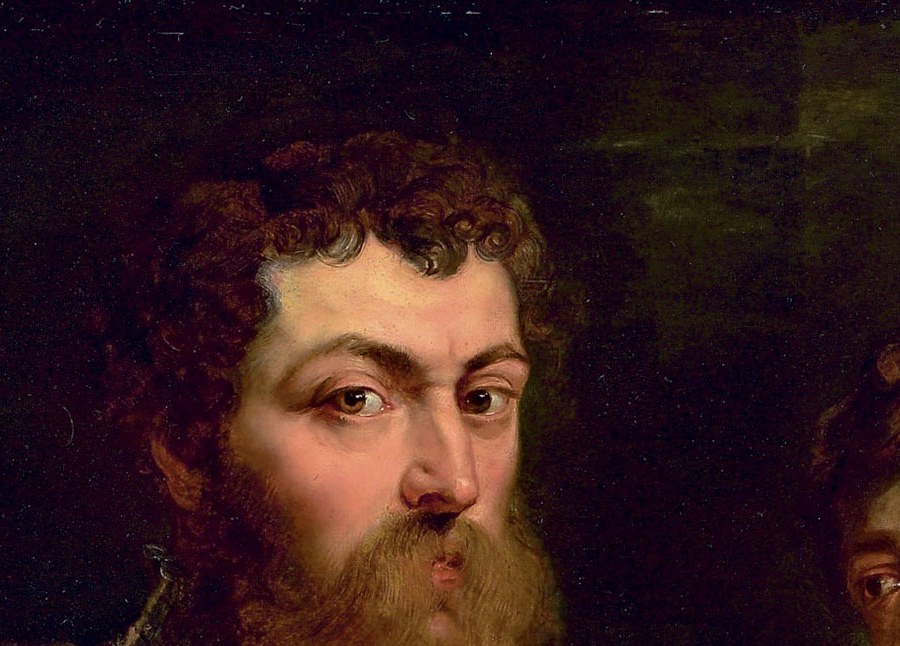
This is Peter Paul Rubens' "Portrait of a Commander," painted around 1612. It lives at the Metropolitan Museum of Art in New York, on loan after a dramatic sale in 2010. The sitter's identity remains unknown, but the painting itself is a masterclass in aristocratic signaling.
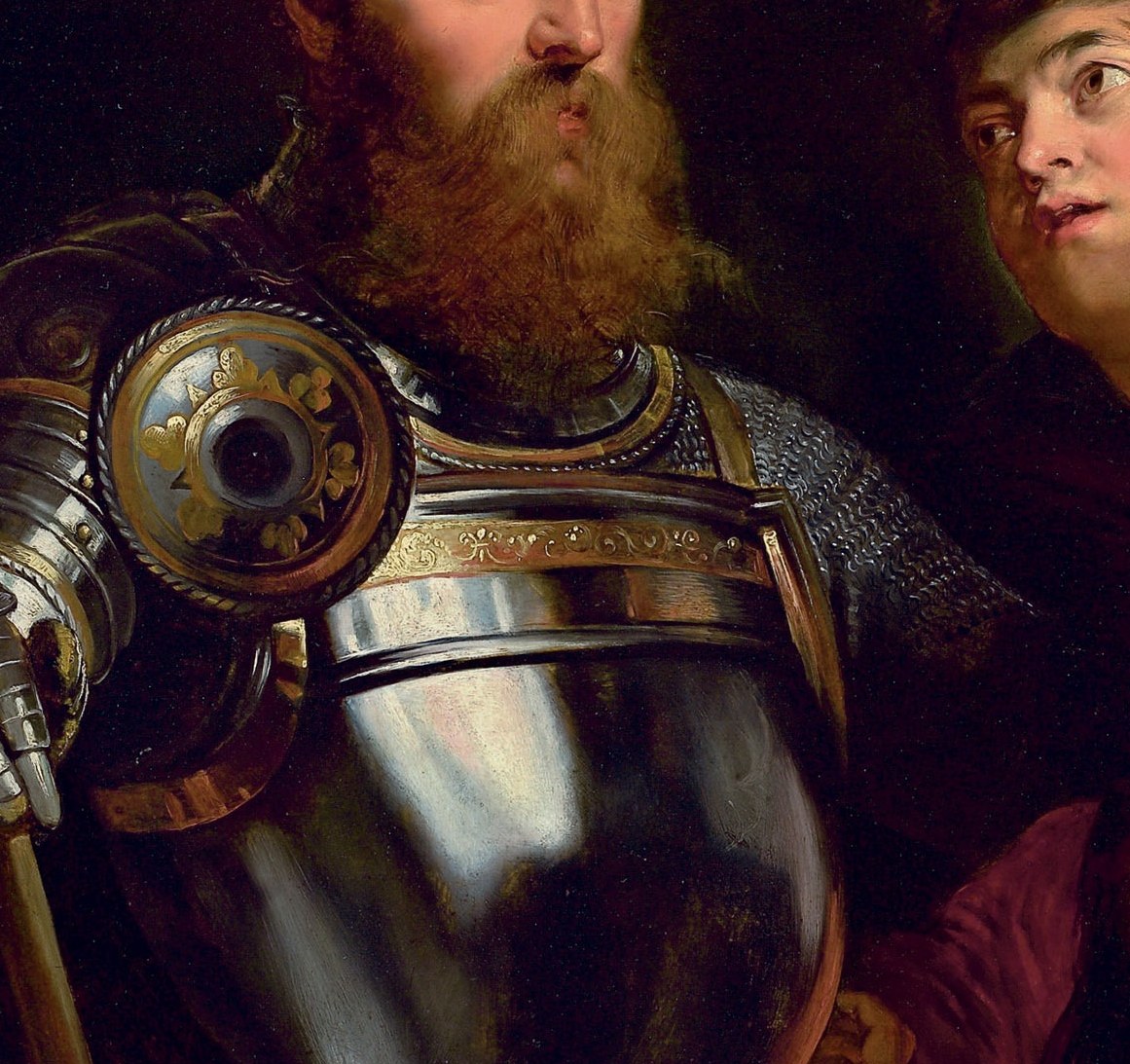
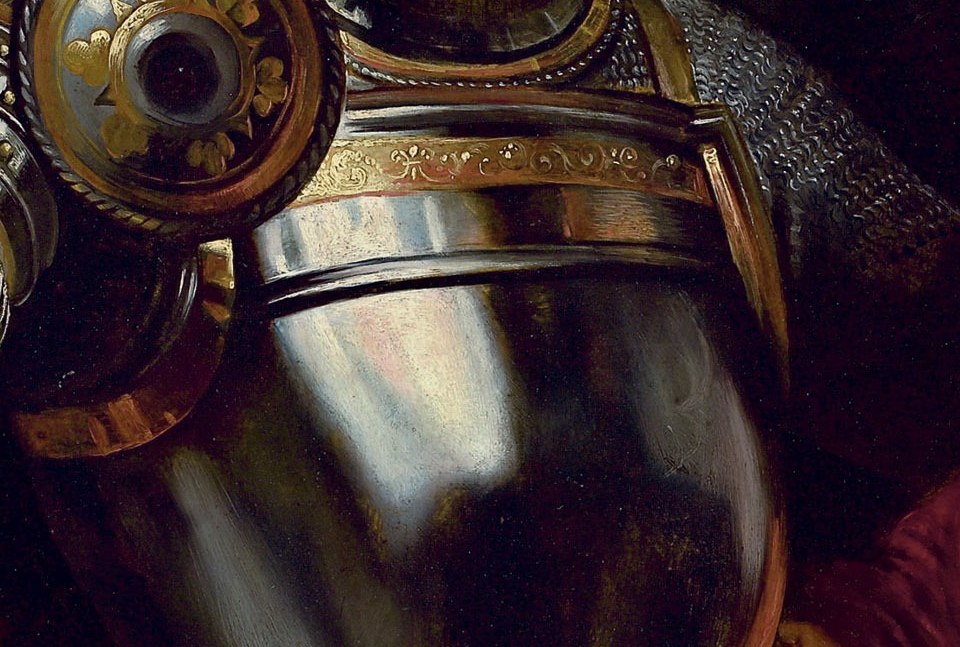
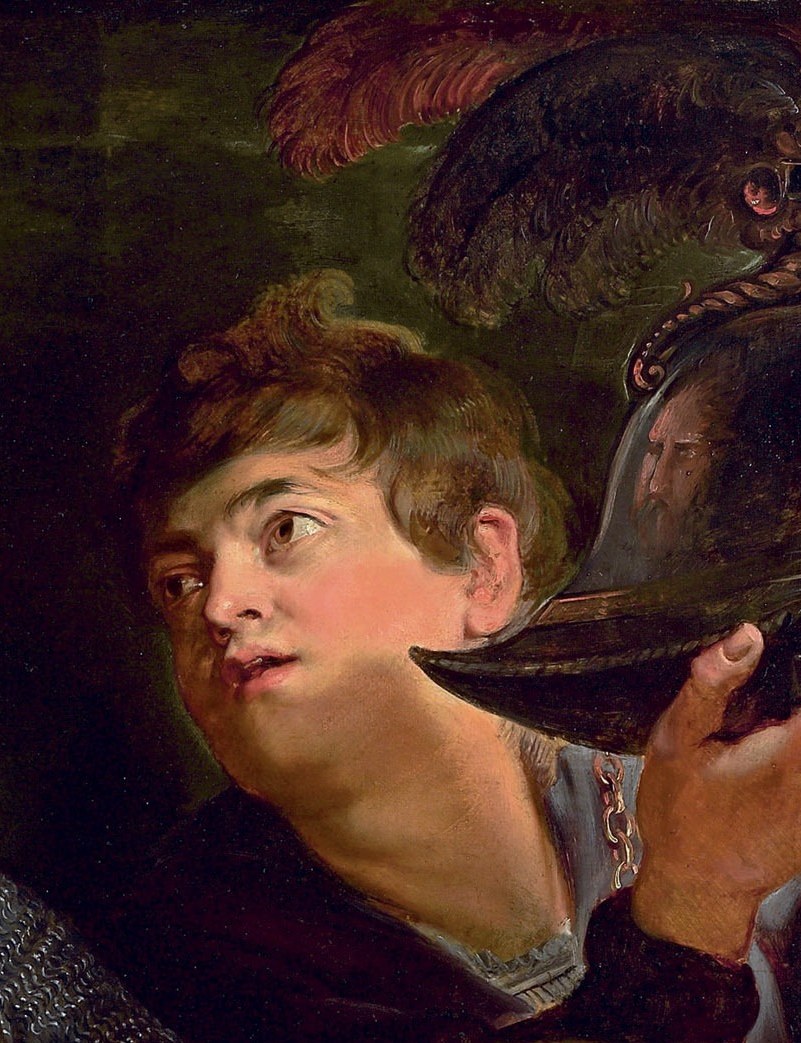
Look past the steady, unblinking face. Start at the breastplate: those etched motifs are heraldic, a family crest that would have named him instantly to a 17th-century viewer. The full-length lance marks him as a cavalry officer. Behind him, a page boy lifts his helmet into place, this is the ceremony of arming, a ritual of rank. The warm red doublet on the second attendant is a calculated punctuation of wealth, the only saturated color in a sea of steel and shadow.
The painting's recent history is nearly as dramatic as its subject. In 2010, Sotheby's turned it away, unconvinced it was a true Rubens. Christie's authenticated it and sold it for £9 million. Rubens, a diplomat as well as a painter, understood the language of power, he spent his life moving through the courts of Europe. Here, he painted a man whose armor does all the talking.
The identity may be lost, but the message is perfectly clear: this is a nobleman, a commander of cavalry, dressed for the weight of what comes next.
Details

Transcript
A man stares out from 1612. We don't know his name. But his armor introduces him perfectly. The etched motifs on the breastplate are heraldic, a family crest. The vertical lance: the mark of a cavalry officer, not a foot soldier. A page boy lifts his helmet. He is being armed for battle. The red doublet on the second boy signals noble wealth and hierarchy. The code adds up: a nobleman, a cavalry commander, ready for war.