Four Seasons in One Head by Arcimboldo, Giuseppe
Giuseppe Arcimboldo's "Four Seasons in One Head," painted around 1590, is a remarkable example of Mannerist allegory, now held by a private collection.
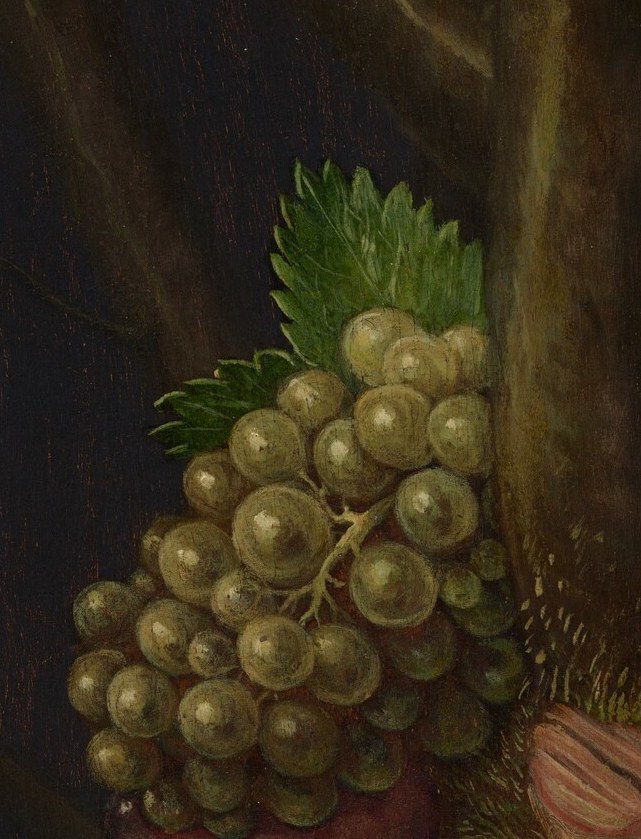
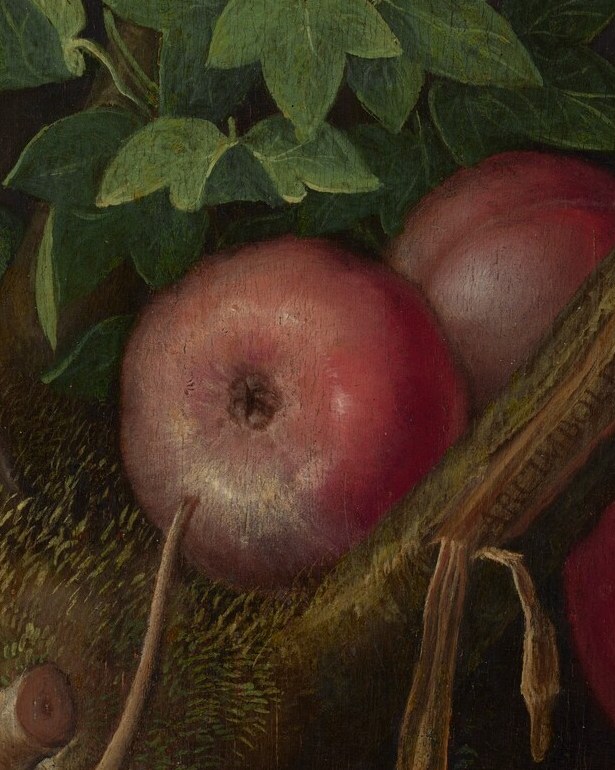
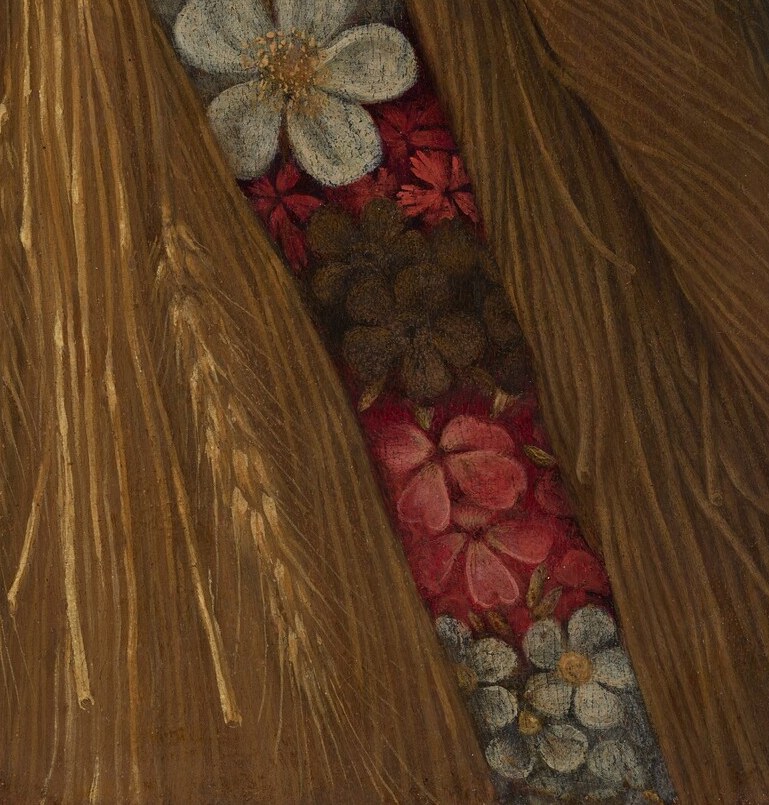
This inventive oil on panel presents a human-like head meticulously assembled from various natural elements. Each fruit, flower, and vegetable is strategically placed to represent one of the four seasons, inviting viewers to discover spring, summer, autumn, and winter within the composite face.
Arcimboldo, a court artist for three Holy Roman Emperors, was celebrated for these "grotesque symbolic compositions." Beyond his conventional portraits, these works showcased his unique wit and intellectual curiosity, making them fascinating curiosities for the imperial courts of Vienna and Prague.
His distinctive style blends botanical elements into a unified form, reflecting nature's continuous transformation. What seasonal elements can you identify first?
Details
Transcript
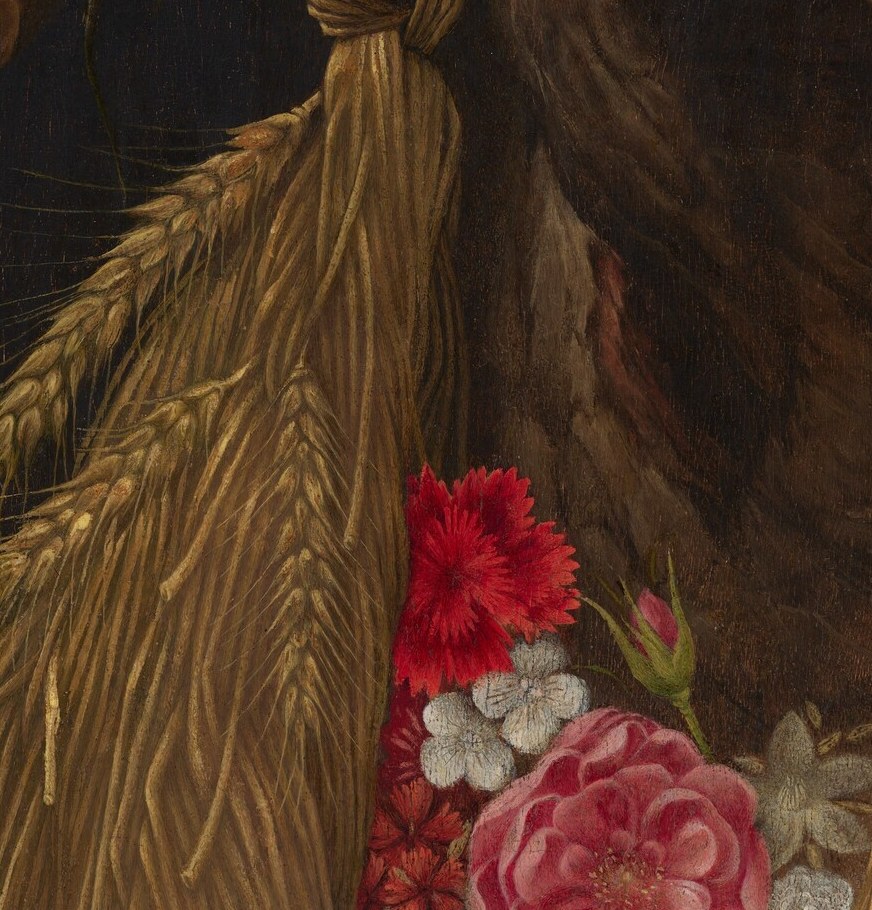
This head is made entirely of nature's bounty. Around 1590, painters used allegory to show complex ideas. This artist served three Holy Roman Emperors. He was famous for these inventive composite heads. Each element here represents one of the four seasons. Look for the wheat, symbolizing autumn's harvest. This witty approach amused and challenged courtly viewers.