Portrait of Frederick V of the Palatinate by Peter Oliver
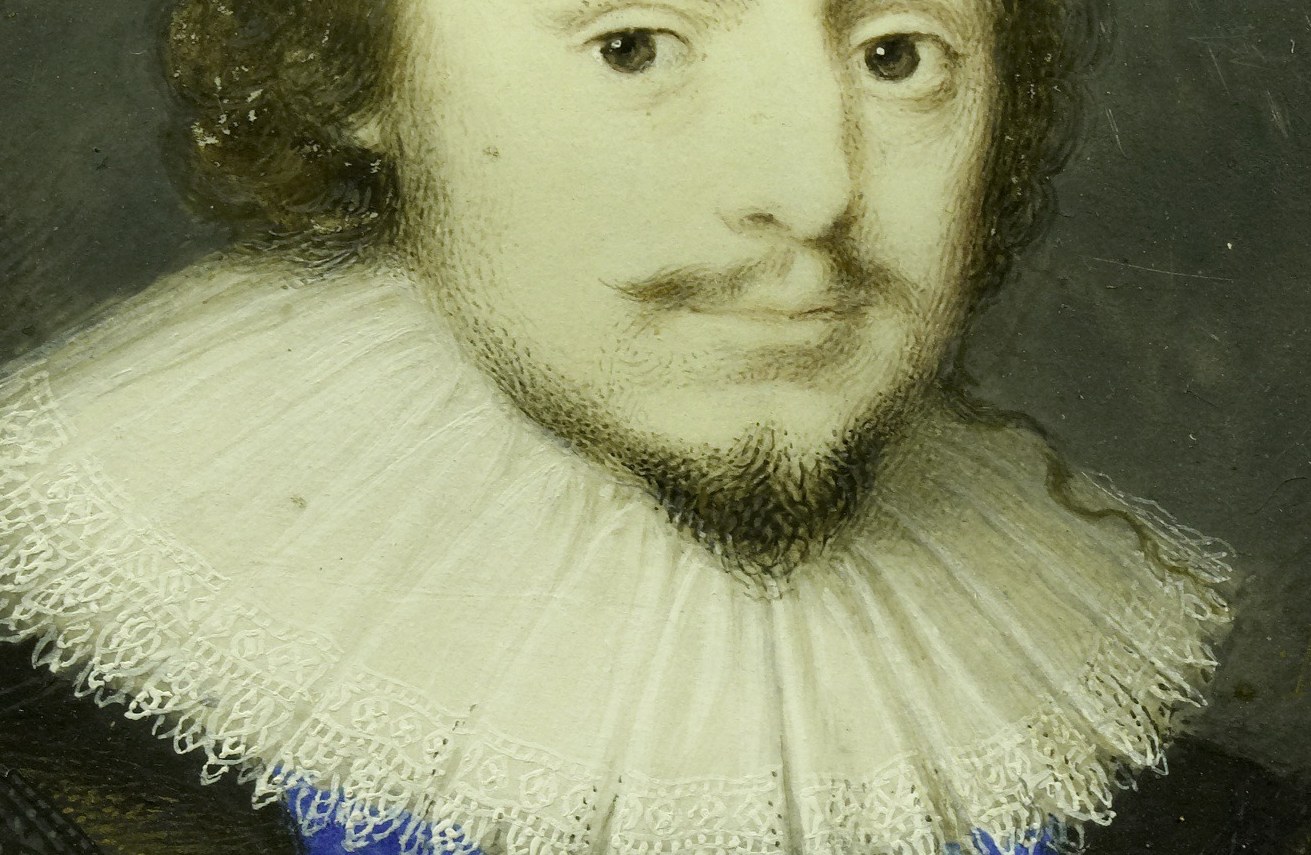
This is Peter Oliver's 'Portrait of Frederick V of the Palatinate', painted in 1631. It is not merely a small likeness; it is a political token from the heart of the Thirty Years' War. Frederick, known to history as the 'Winter King', earned his tragic nickname by reigning over Bohemia for exactly one winter before being crushed by Catholic forces at the Battle of White Mountain in 1620.
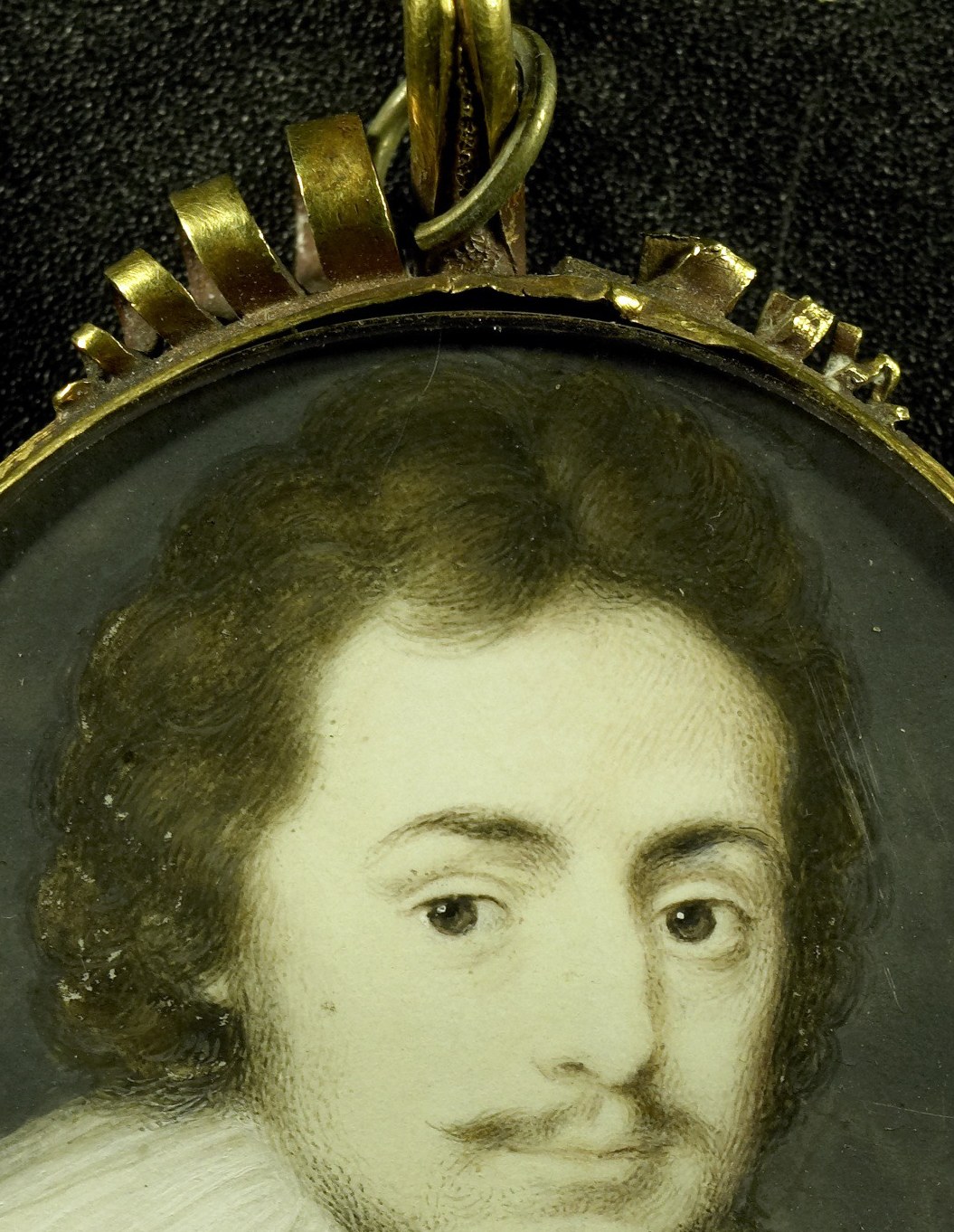
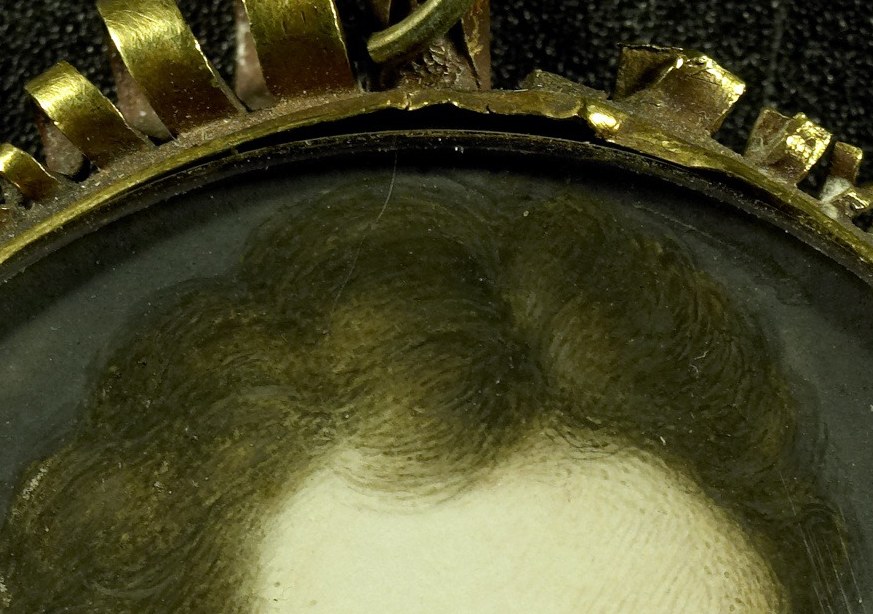
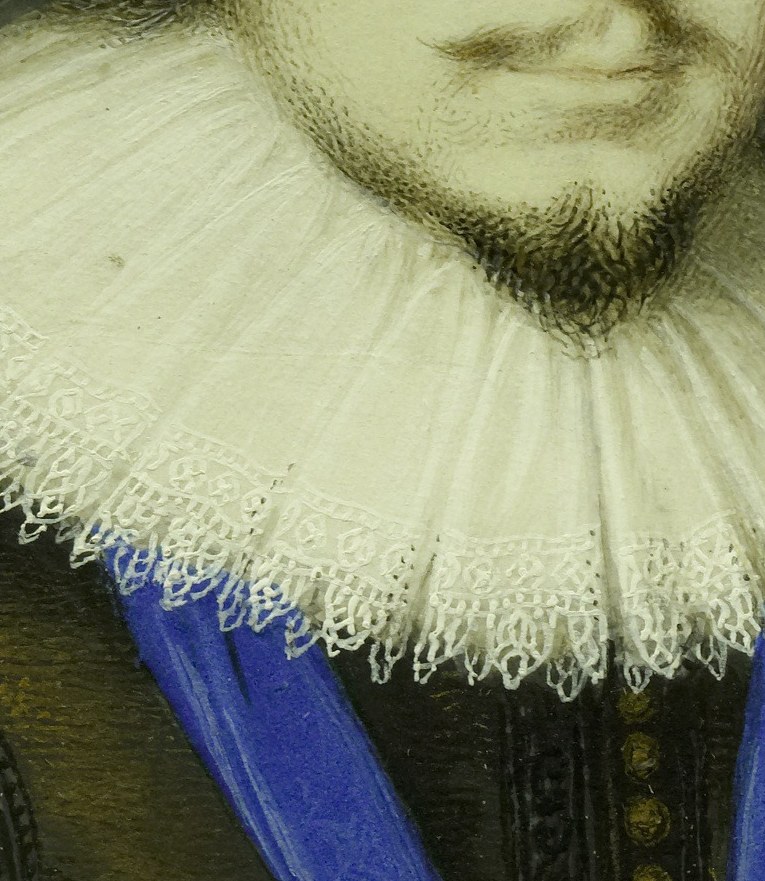
Look closely at the gold suspension ring at the top of the oval. This is a miniature locket, designed to be worn on a chain or ribbon, held close to the body. The bright blue sash cutting across his dark doublet represents the Order of the Garter, a calculated symbol of legitimacy worn by a king who had lost his kingdom.
Peter Oliver was the son and pupil of Isaac Oliver, a giant of English miniature painting. He executed this work on a remarkably humble material, cardboard, yet poured his technical mastery into the white lace collar, a tour de force of precise brushwork. The locket form signals its intimate function: an object of gift-exchange and a wearable declaration of allegiance to the exiled Palatine cause.
To carry Frederick's portrait in the 1630s was to support a Protestant hero in defeat. It is a quiet act of defiance, preserved in watercolor and gold.
Details

Transcript
He ruled for just a single winter. Frederick V, the Winter King, lost his throne in 1620. Eleven years into exile, he sat for this miniature locket. The ring at the top reveals its function, worn on a chain, against the body. That blue sash claims the Order of the Garter, a deliberate mark of legitimacy. Owning this locket was a quiet political statement. The artist, Peter Oliver, rendered the lace with miniaturist precision on cardboard.