Arthur Hoppock Hearn by Alphonse Jungers
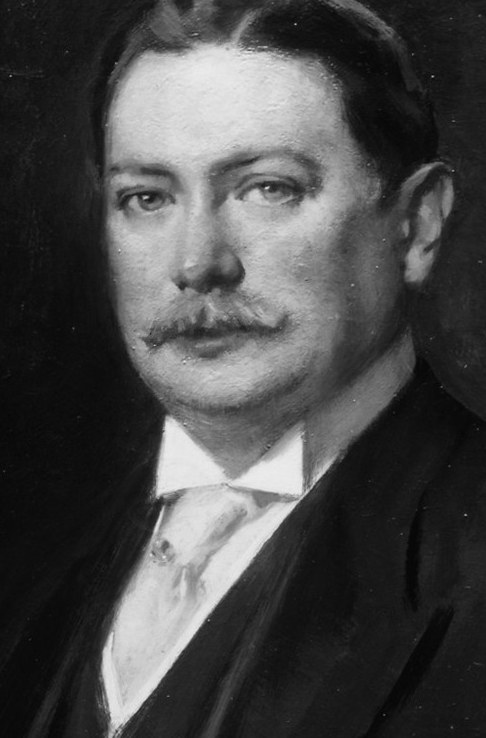
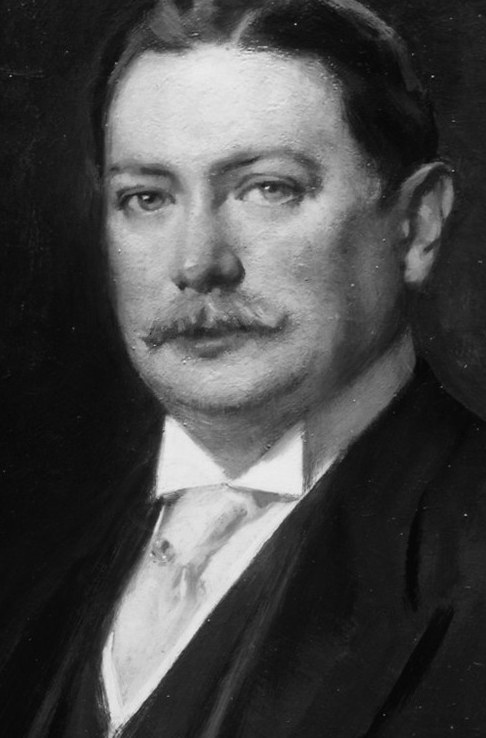
Alphonse Jungers' 1908 portrait, “Arthur Hoppock Hearn,” offers a fascinating look into early 20th-century American society and its conventions of formal representation. Held at The Metropolitan Museum of Art, this painting captures the essence of a dignified figure from that era.
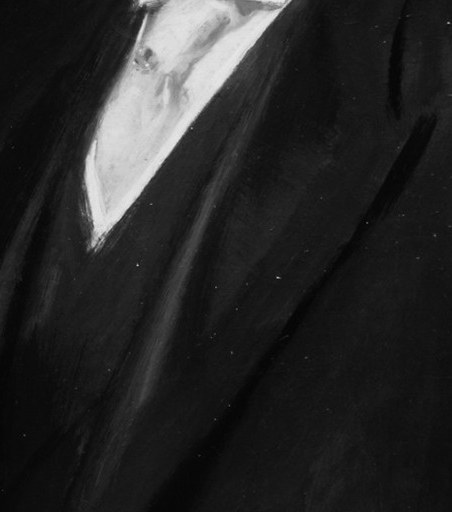
Observe the details of Hearn's attire, from his precisely tailored suit to his crisp white tie, all indicative of the prevailing fashion and social standing of the time. The artist's use of light emphasizes his composed expression and steady gaze, drawing the viewer's eye to his quiet confidence.
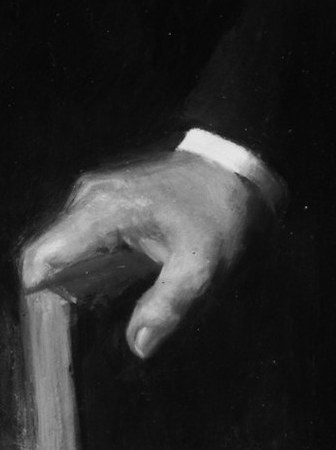
The posture, particularly the firm resting of his right hand on an unseen object, speaks to a common practice in formal portraiture of the period, designed to convey stability, control, and status. Jungers masterfully employed oil paints and a subdued palette to underscore the solemnity and importance of the sitter.
This portrait not only preserves the likeness of Arthur Hoppock Hearn but also acts as a historical witness to the visual language of power and prominence in the early 1900s. What aspects of this historical moment do you see reflected here?
Details
Transcript
This portrait of Arthur Hoppock Hearn was painted in 1908. His sharp suit and crisp tie show the formal attire of the era. The light sculpts his face, highlighting a confident, composed expression. Notice how his right hand rests firmly on an unseen object. This pose, typical of the time, conveys status and quiet authority. The painter Alphonse Jungers emphasized his presence in this way.