Untitled by Cao Zhibai|Unidentified artist
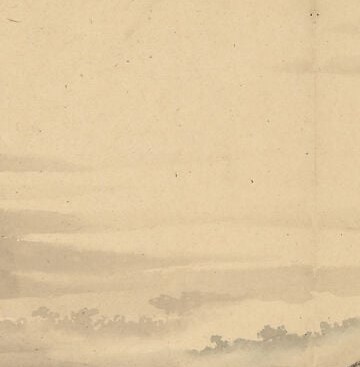
This serene "Untitled" landscape, once attributed to the Yuan dynasty master Cao Zhibai, holds a fascinating art-historical riddle. Dated 1777, centuries after Cao Zhibai's death in 1355, its distinctive cross-hatching technique, unusual for traditional Chinese painting, strongly suggests it's the work of a later, unidentified artist.
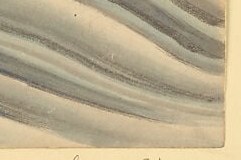
Notice the intricate build-up of the mountain peaks, where numerous small, intersecting lines create volume and texture. This method allows light to permeate the layers, giving the scene a subtle vibrancy. While the painting bears inscriptions and seals associated with Cao Zhibai, its style and date point to a different hand, perhaps a follower or admirer.
The practice of later artists creating works "in the style of" or attributing them to revered masters was not uncommon in Chinese art history. It highlights the complex journey of provenance and attribution, reminding us that even tranquil landscapes can hold compelling mysteries. What details do you find most intriguing in this scene?
This album leaf, rendered in ink and color on silk, is part of a private collection.
Details
Transcript
This tranquil scene seems to invite quiet contemplation. But look closely at how the mountains are formed. Numerous small, intersecting lines build up the peaks. This cross-hatching technique was unusual for Chinese painting. It hints that this painting may not be by Cao Zhibai after all. The date, 1777, is centuries after his death in 1355.