Jean-Baptiste Colbert (1619–1683) by Philippe de Champaigne
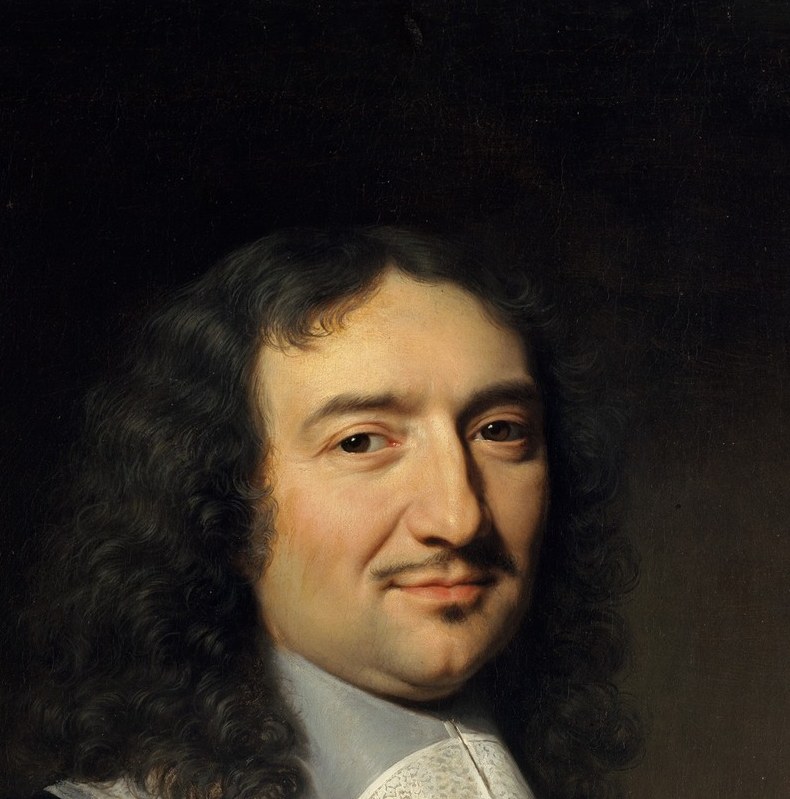
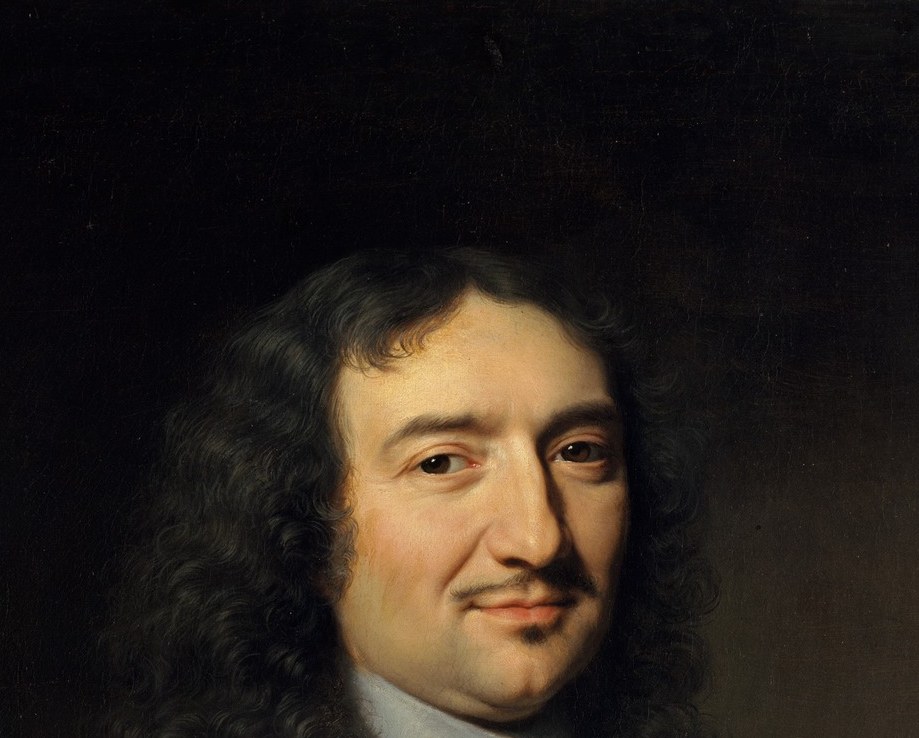
Philippe de Champaigne painted Jean-Baptiste Colbert in 1655, years before the subject became Louis XIV's legendary finance minister. The portrait hangs today in The Metropolitan Museum of Art, and every detail of it is an economic argument.
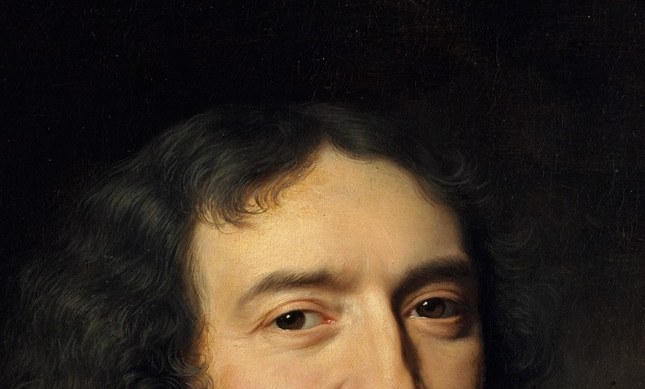
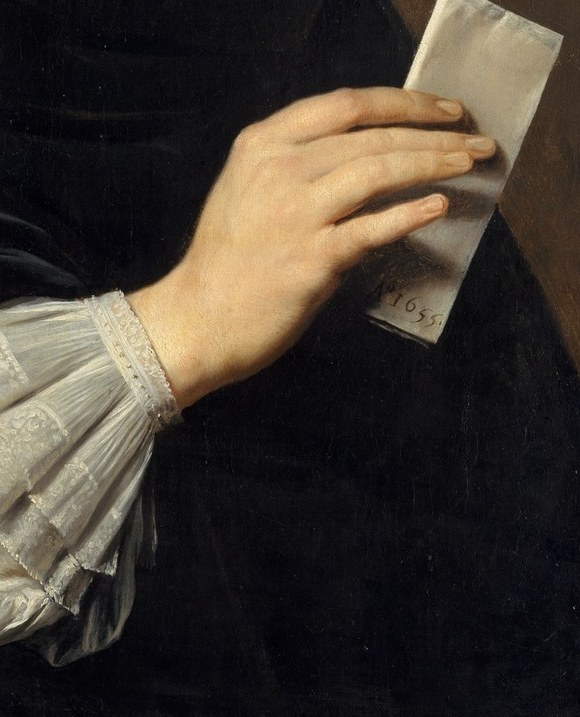
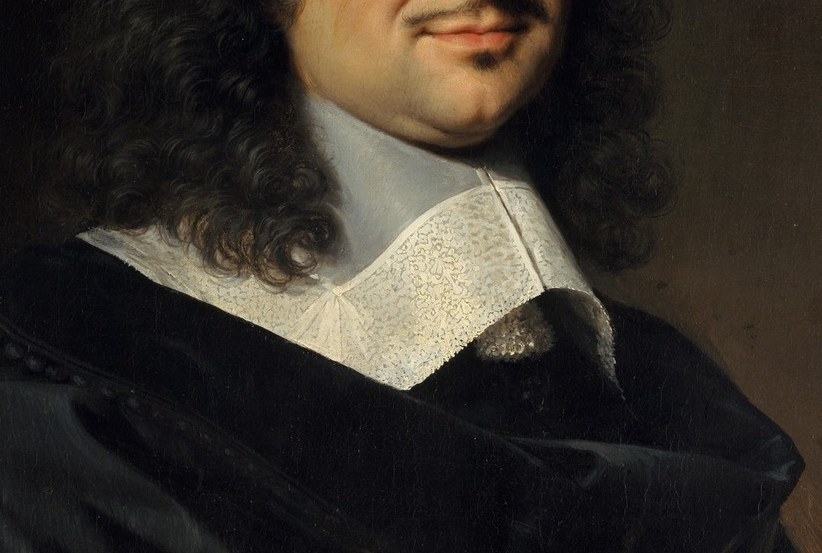
Look at the costume. It is black wool, not velvet. The collar is crisp white linen rather than expensive lace, and the cuffs offer only the smallest permissible flash of it. Colbert wears his natural dark hair, not a full wig, this is a transitional moment in French fashion, a decade before Versailles made the great perruque obligatory. He holds a folded state document, not a sword. No architecture, no dynastic props, no inherited symbols appear behind him. The entire visual load rests on his face and his hands.
Colbert's historical project was to rationalize French finances: he funded the wars and the palace while trying to keep the kingdom solvent. That required an image of administrative severity. A portrait of a man in silk and jewels would have undermined the message that every livre must go to the state, not to the minister. De Champaigne, a founding member of the Académie royale and the leading court portraitist of the 1630s and 1640s, understood the brief completely.
The painting is a costume drama with a balance sheet, a portrait designed to project, in paint, the terrifying discipline of the man who controlled the pursestrings of Europe's most extravagant court.
Details
Transcript
He looks like a man who hates unnecessary expense. Jean-Baptiste Colbert would become Louis XIV's finance minister. His job was to fund endless war and Versailles without breaking France. So when he sat for this portrait in 1655, every choice was political. Black wool, not velvet. Linen, not silk. The minimum required to signal rank. He wears his own hair, not a wig, a decade before Versailles made wigs mandatory. No crown, no sword, no palace behind him. Just paper and a decision to make. Philippe de Champaigne painted the most expensive thing in France: a man who spent nothing on himself.