An antique artist by Johannes van Swinderen
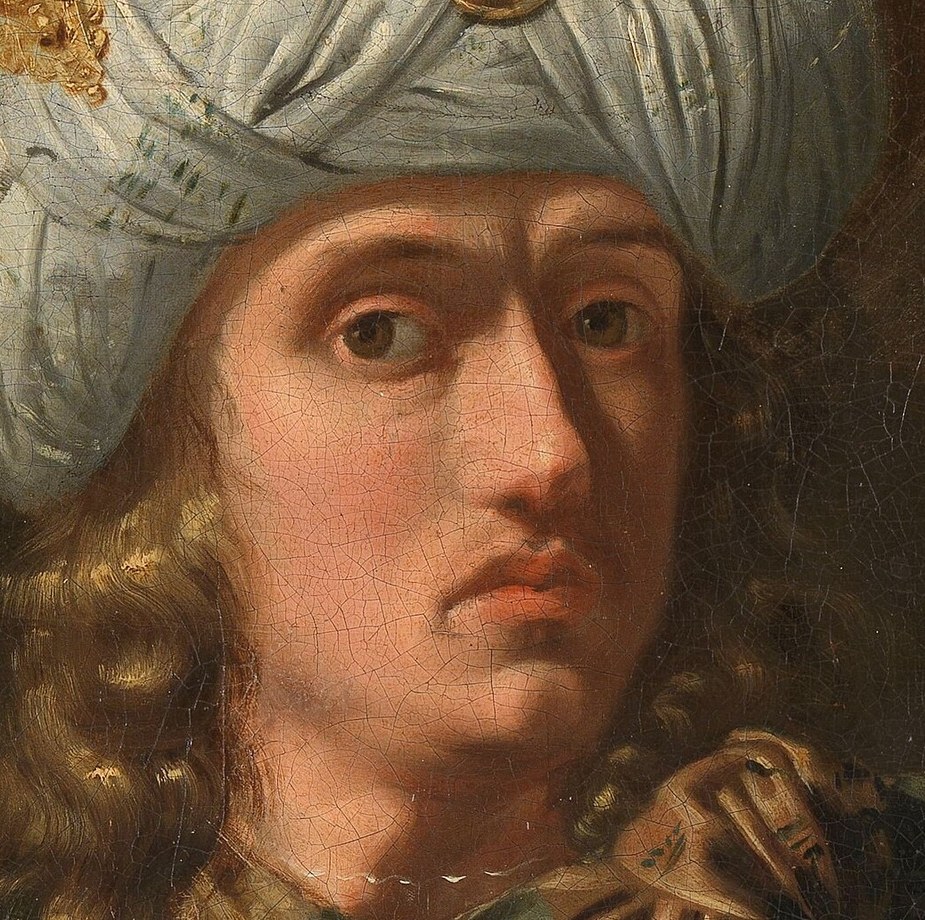
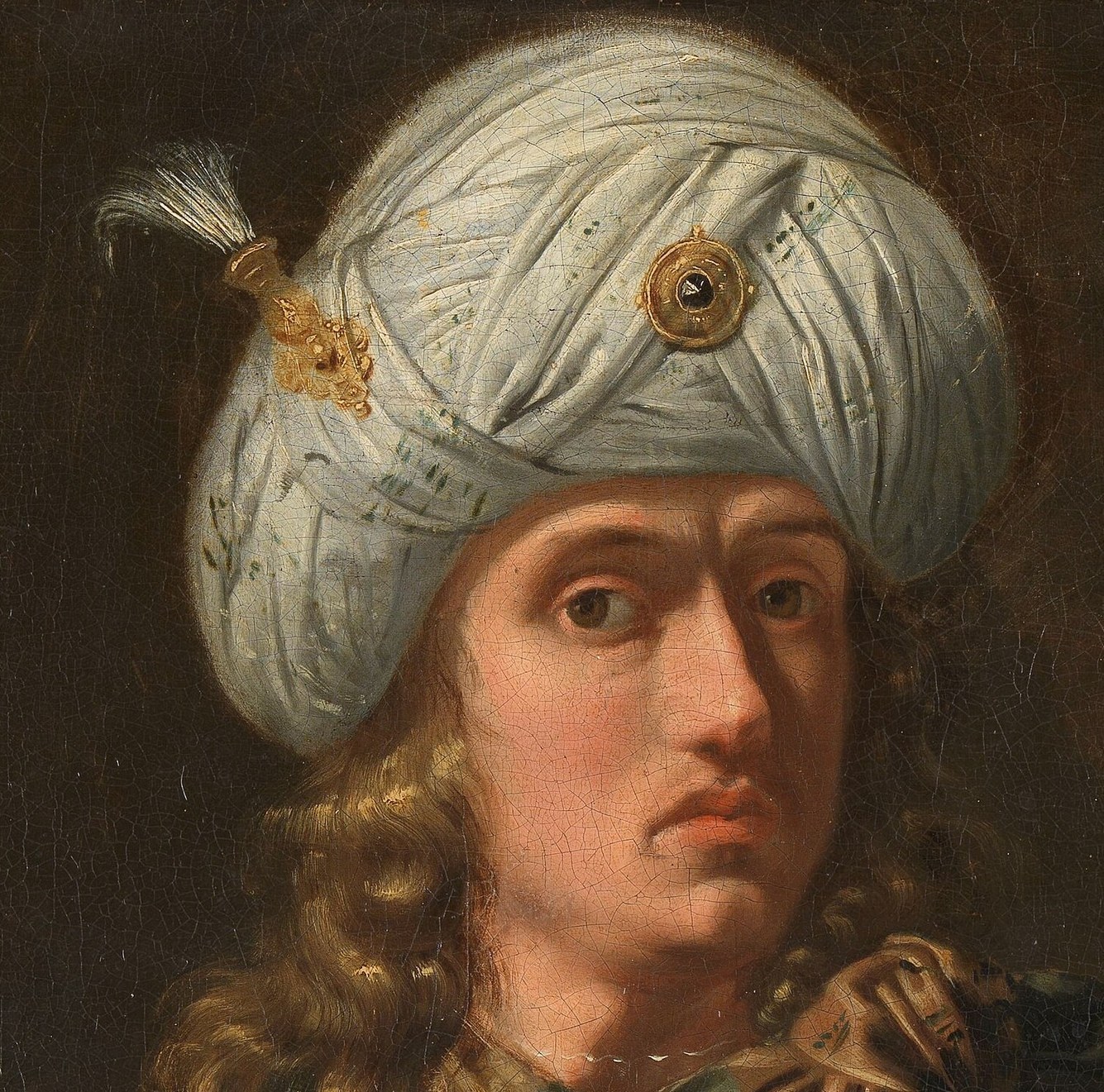
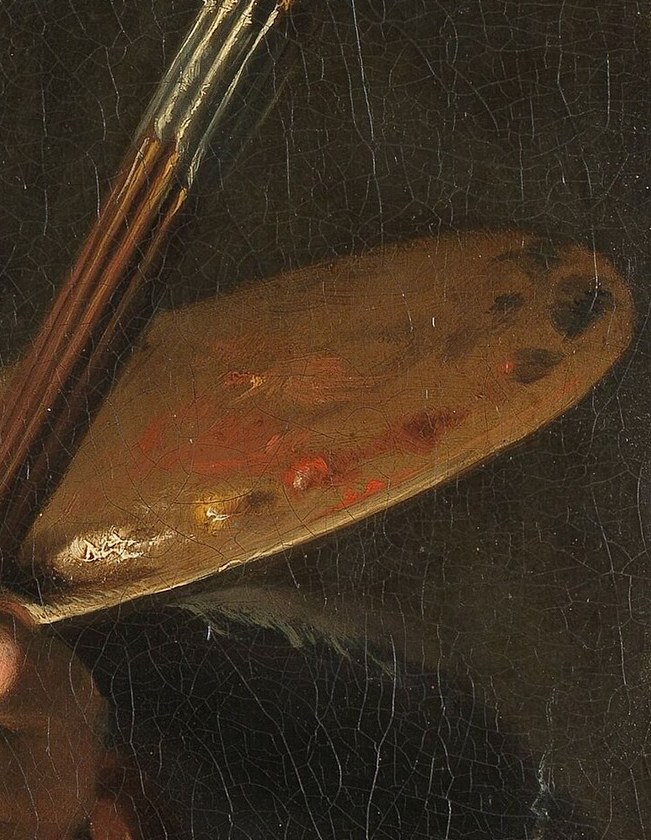
In Johannes van Swinderen's 1630 oil portrait, "An antique artist," housed at the Rijksmuseum, the painter captures himself in a moment of profound contemplation, surrounded by symbols that speak to his profession and the human condition.
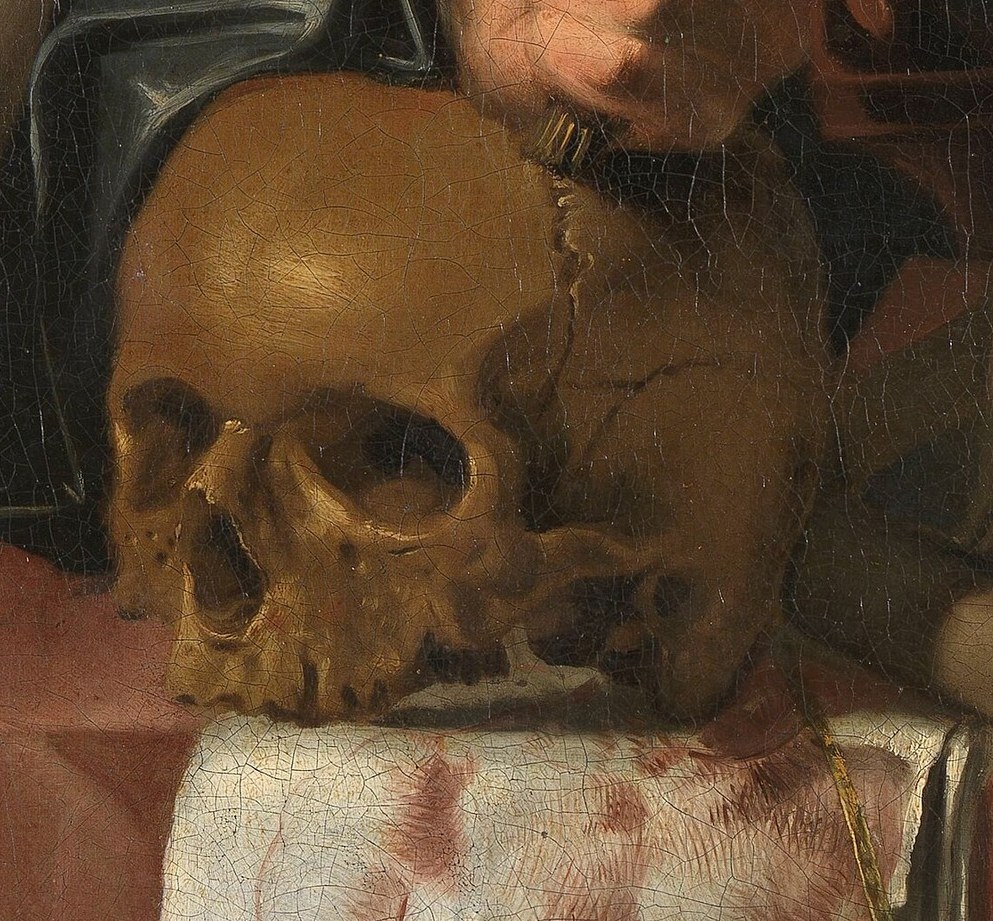
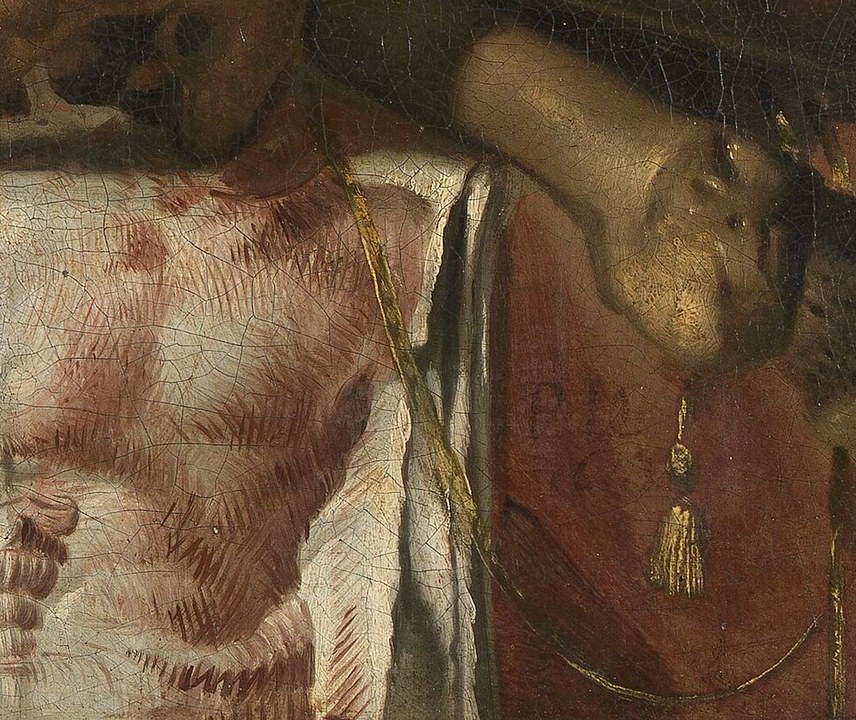
While the ornate turban and intense gaze draw the eye, it's the detail beneath the skull that offers a quiet insight. The skull, a classic memento mori, rests not on a pristine surface, but on a stained white cloth, possibly a painter's rag, subtly blending the themes of life, art, and mortality.
Van Swinderen, an artist from the Dutch Golden Age, used chiaroscuro to dramatic effect, highlighting the figure against a dark background. This self-portrait reflects the period's interest in introspection and symbolic elements, integrating exotic motifs with a deeply personal narrative. The painting remained in private collections before its acquisition by the museum, preserving this intimate glimpse into the artist's world.
What other small details in paintings have you found that change their meaning?
Details
Transcript
This painter was known for his striking self-portraits. He captures himself in a moment of creative thought. A skull, a classic symbol, reminds us of mortality. But look at what the skull rests on. It's a stained white cloth, perhaps a painter's rag. Connecting the artist's life, his work, and death.