John Johnstone, Betty Johnstone, and Miss Wedderburn by Raeburn, Henry, Sir
This is Sir Henry Raeburn's portrait of John Johnstone, Betty Johnstone, and Miss Wedderburn, painted in Edinburgh around 1790. It hangs today in the National Gallery of Art in Washington, D.C., and it does something remarkable with silence.
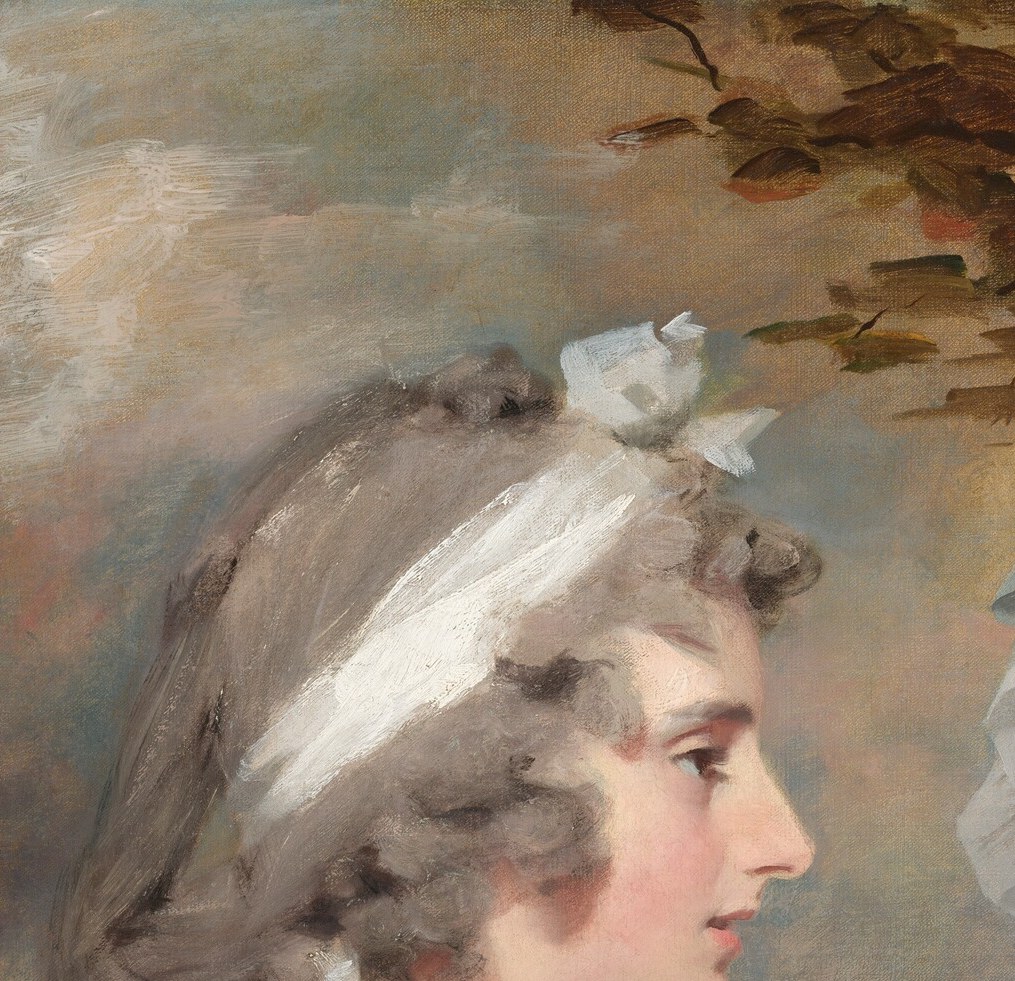
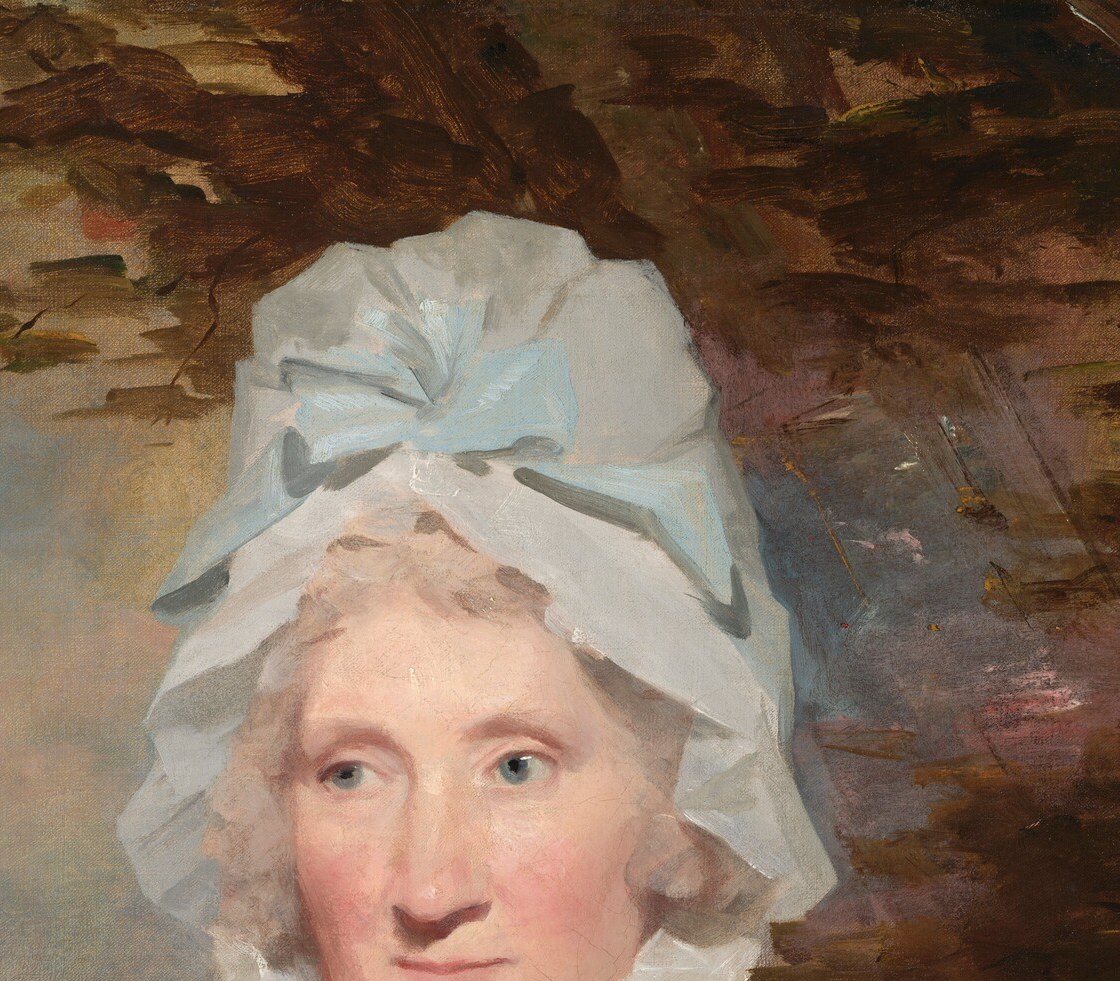
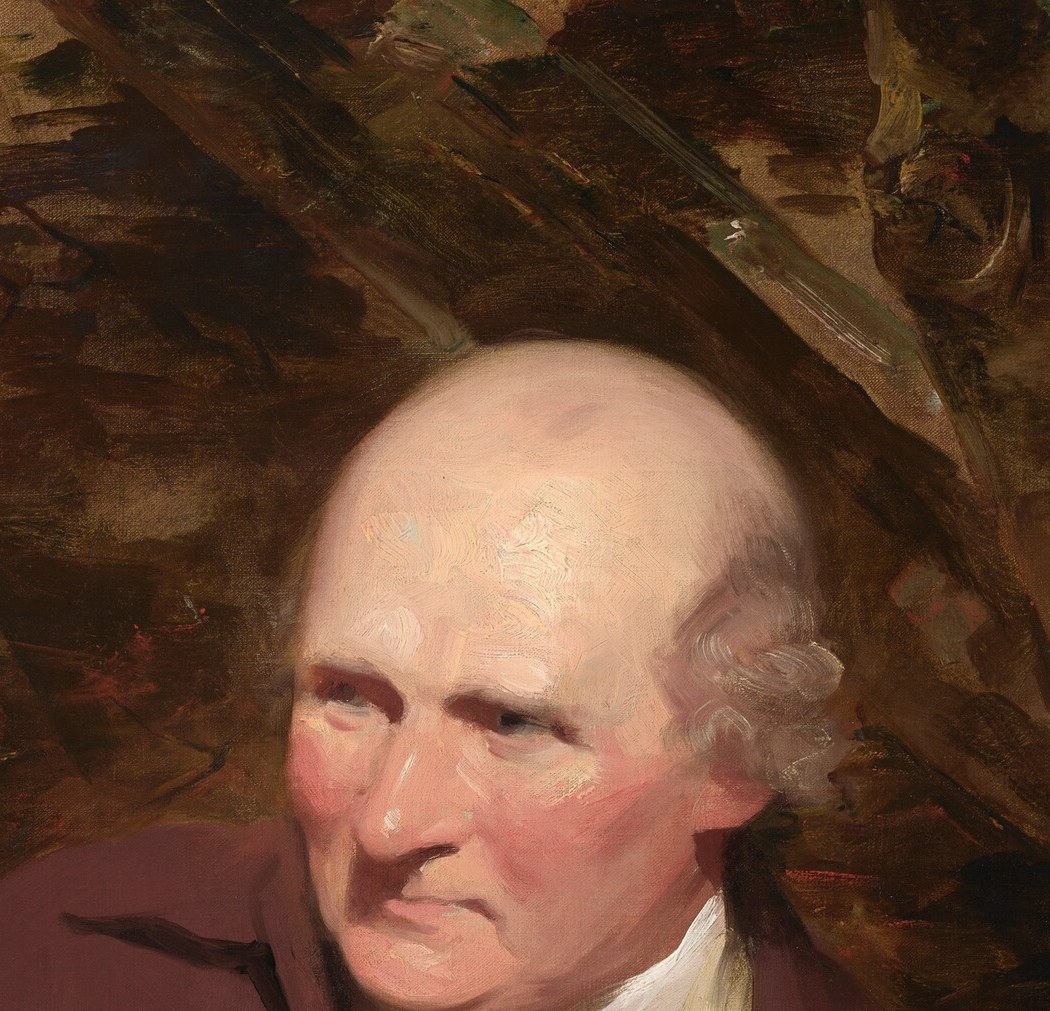
Watch where the three figures look, or don't look. The younger woman in the radiant white dress gazes sidelong, lost in private reflection, while the older woman in the center holds the group together with her steady presence. John Johnstone himself meets the viewer with the blunt, unflattering directness that was Raeburn's hallmark; he painted Scottish character, not flattery.
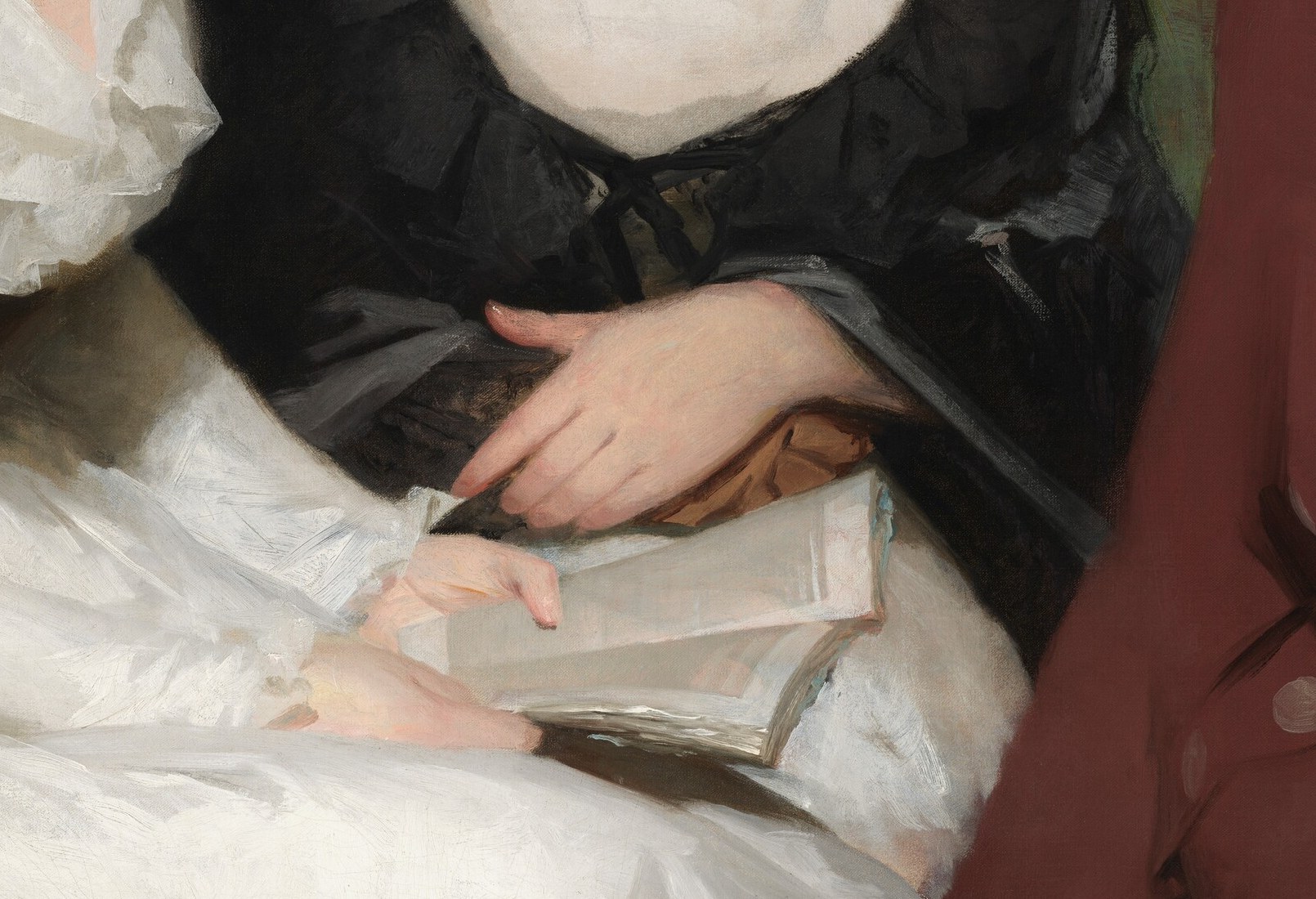
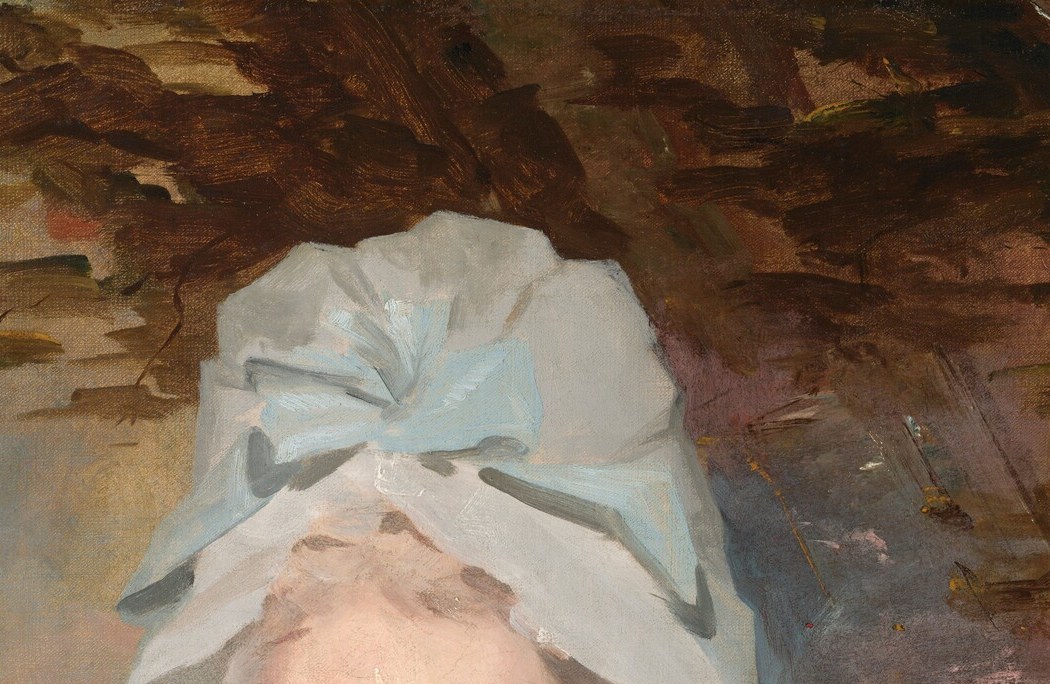
But the painting's true weight falls at the center, in the two women's hands. They are sharing something, a letter or a book, that explains why these three people have drawn close. In the 1790s, reading aloud or sharing a private letter was an act of deep familial intimacy, the news or literature held literally between them.
Raeburn sets this small, tender transaction against a near-black, turbulent sky, so the faces and the white dress seem to glow from within. The whole composition argues that the bond between these three people matters more than any backdrop ever could.
Details
Transcript
They sit close, but not one of them meets the others' eyes. The younger woman, in luminous white, looks away into her own thoughts. The older woman is the anchor between them, steady and watchful. The man is John Johnstone. Raeburn paints him with unsparing directness. But look at their hands. Something is being shared. It is thought to be a letter or a book, a purpose for this gathering. Painted around 1790, when a shared letter was a deeply private act of trust.