Portrait of an officer by Gerard van Honthorst
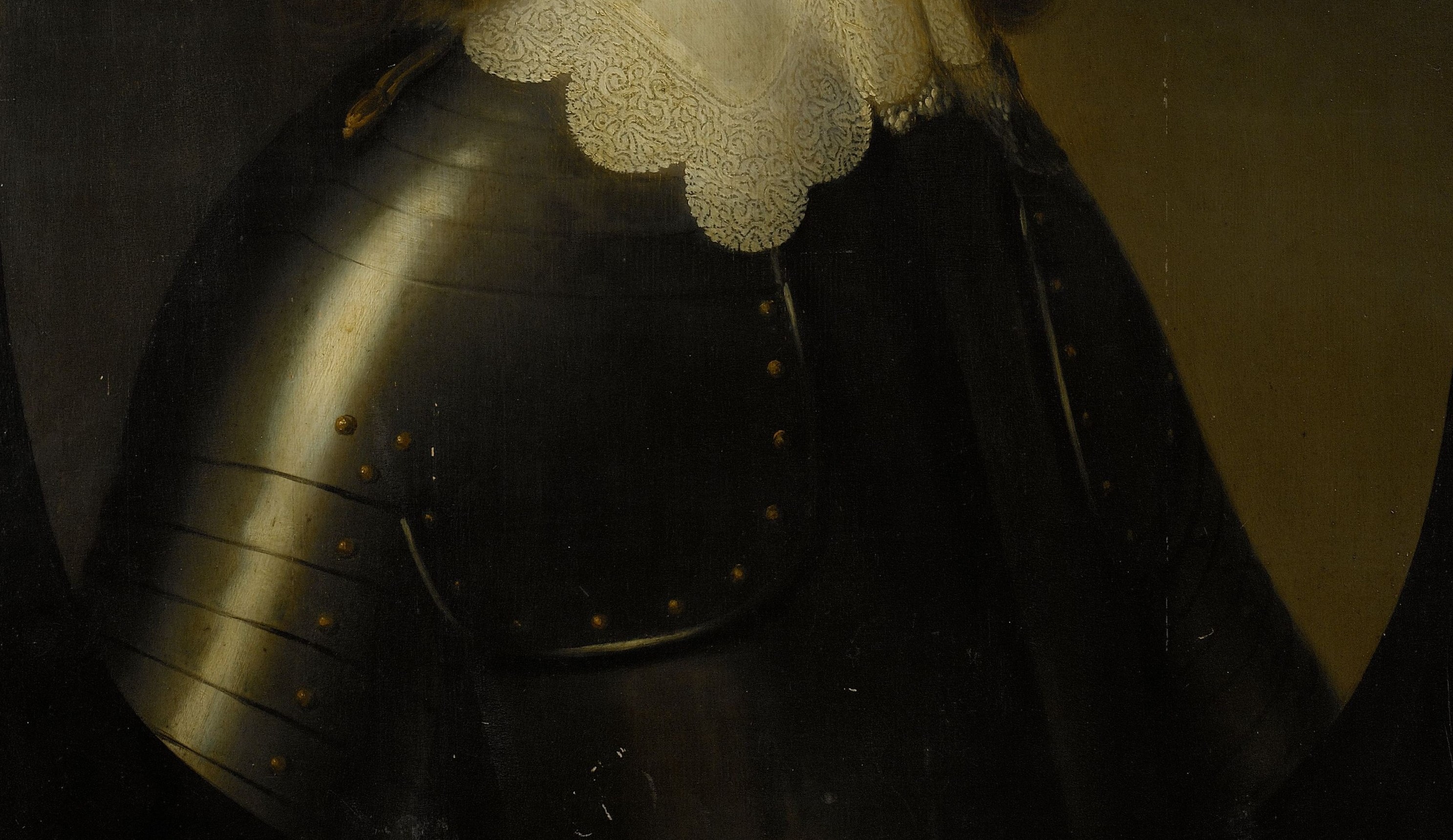
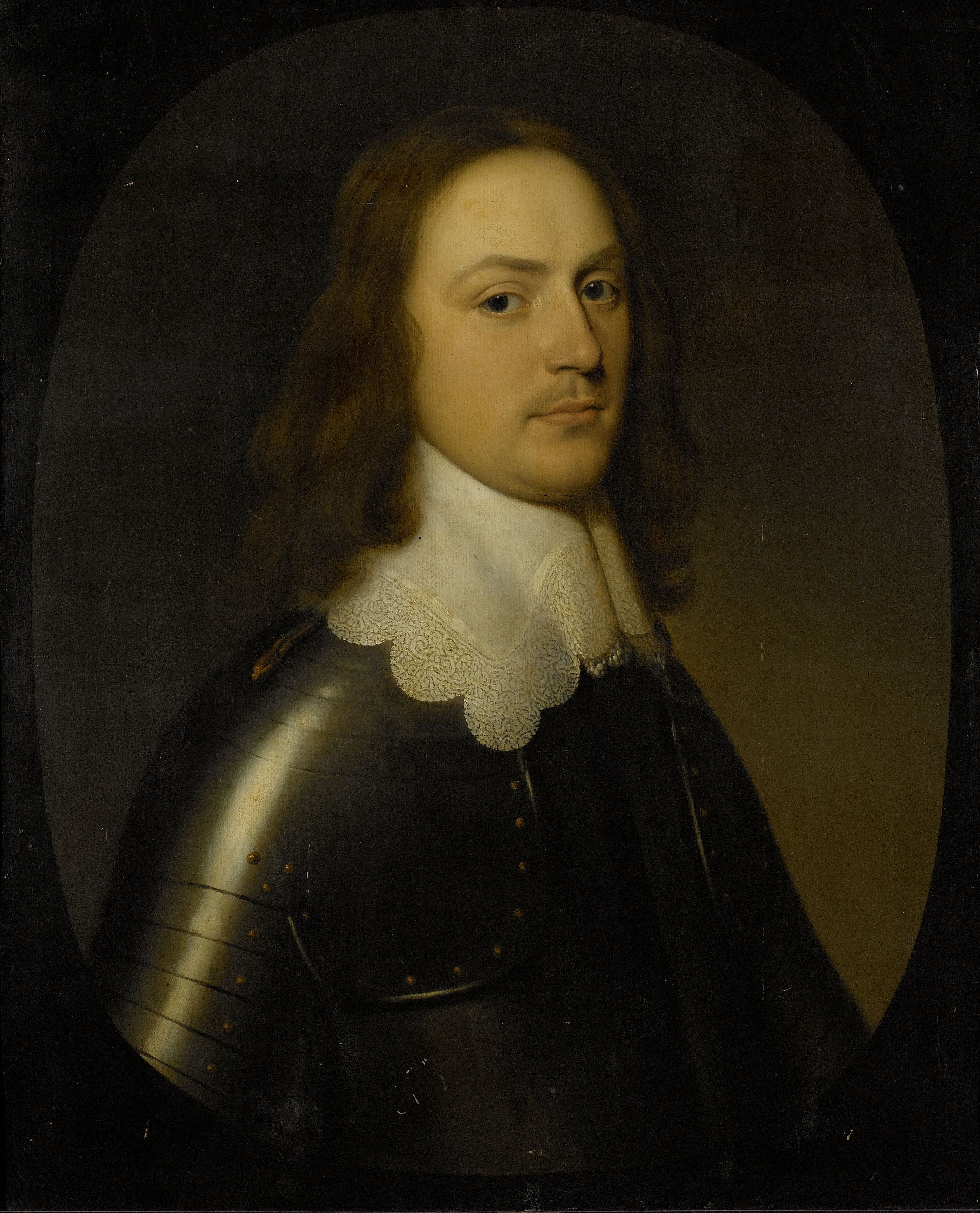
Gerard van Honthorst, also known as 'Gherardo delle Notti' (Gerard of the Nights), created this striking Portrait of an Officer in 1644. It is an oil painting that perfectly showcases his mastery of dramatic lighting and chiaroscuro, a technique he honed during his time studying Caravaggio in Rome. The work is held in the collection of the Rijksmuseum.
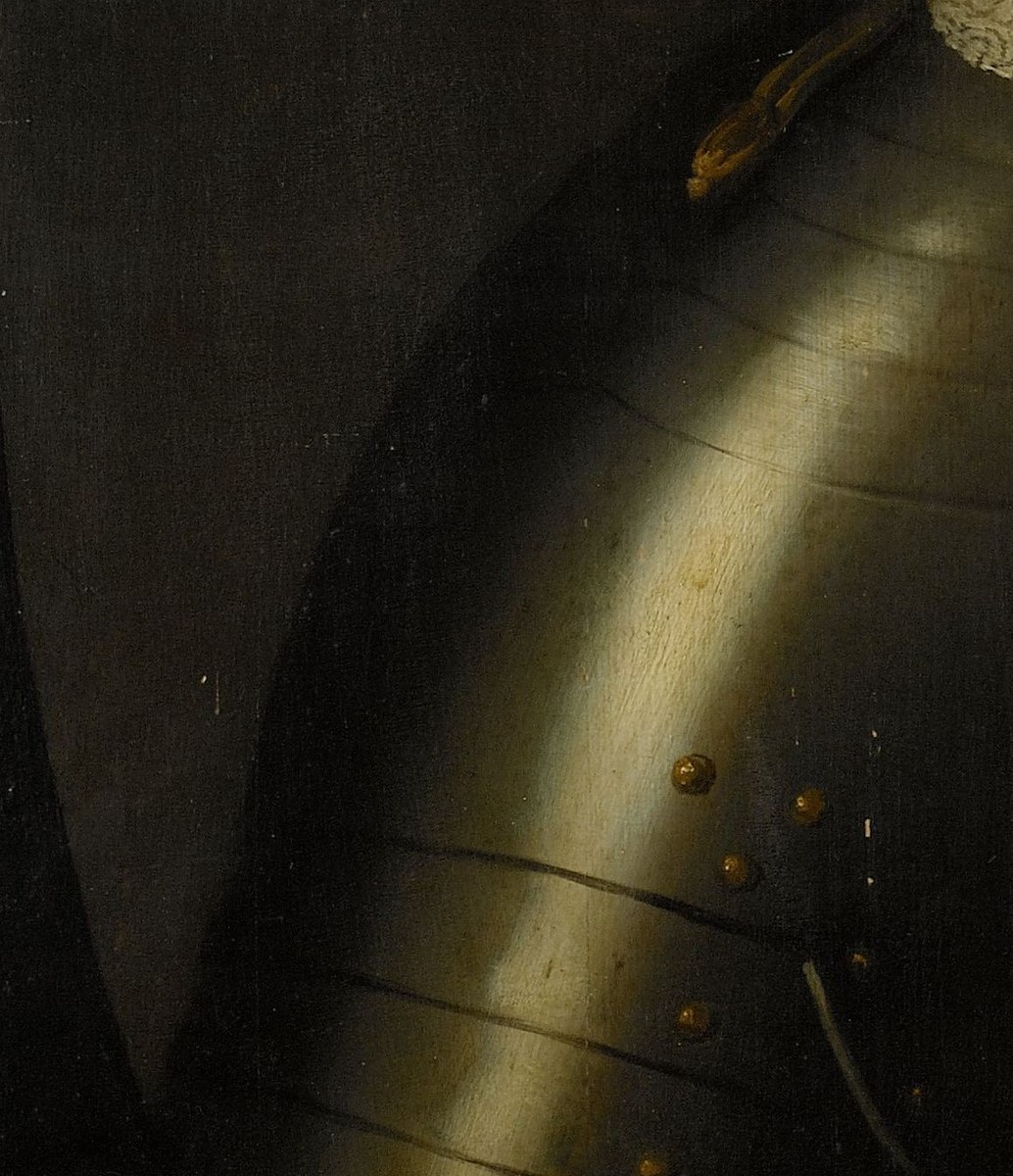
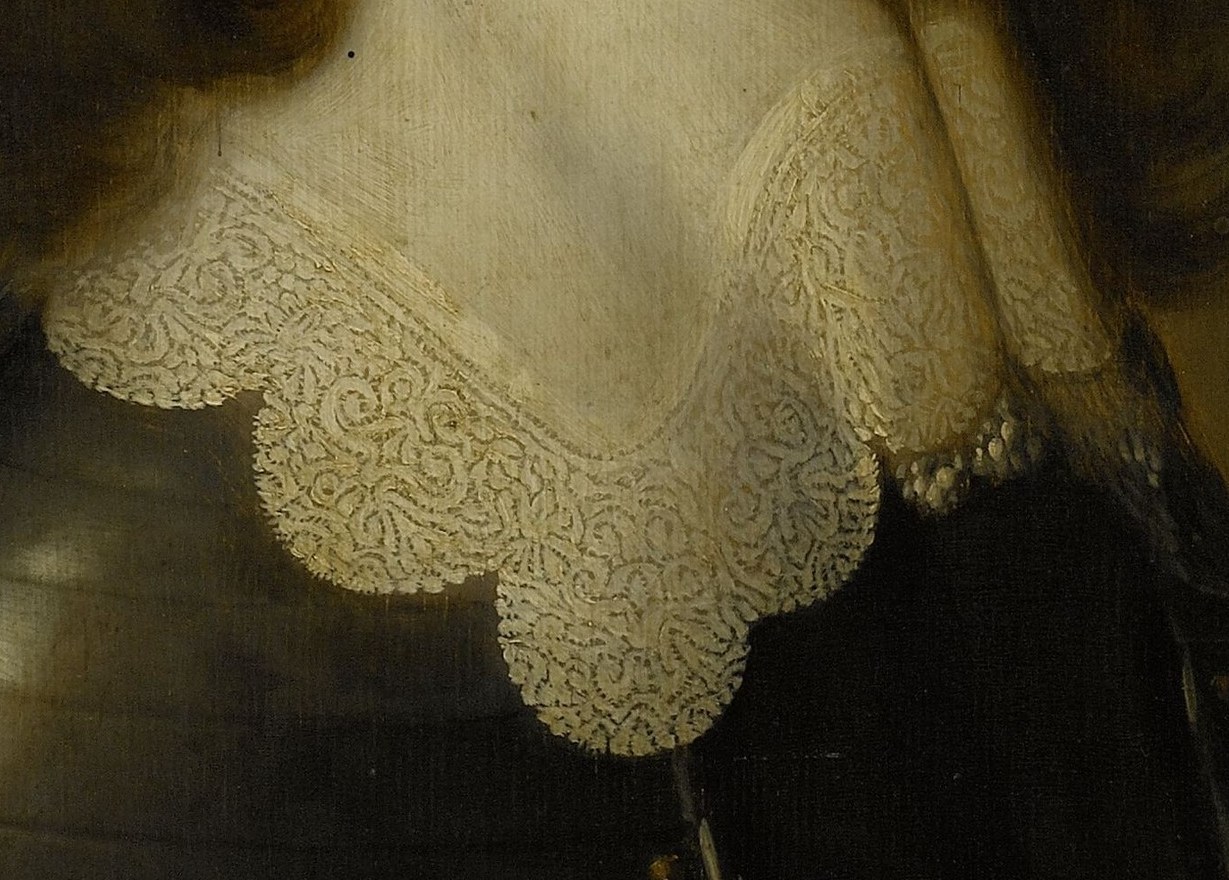
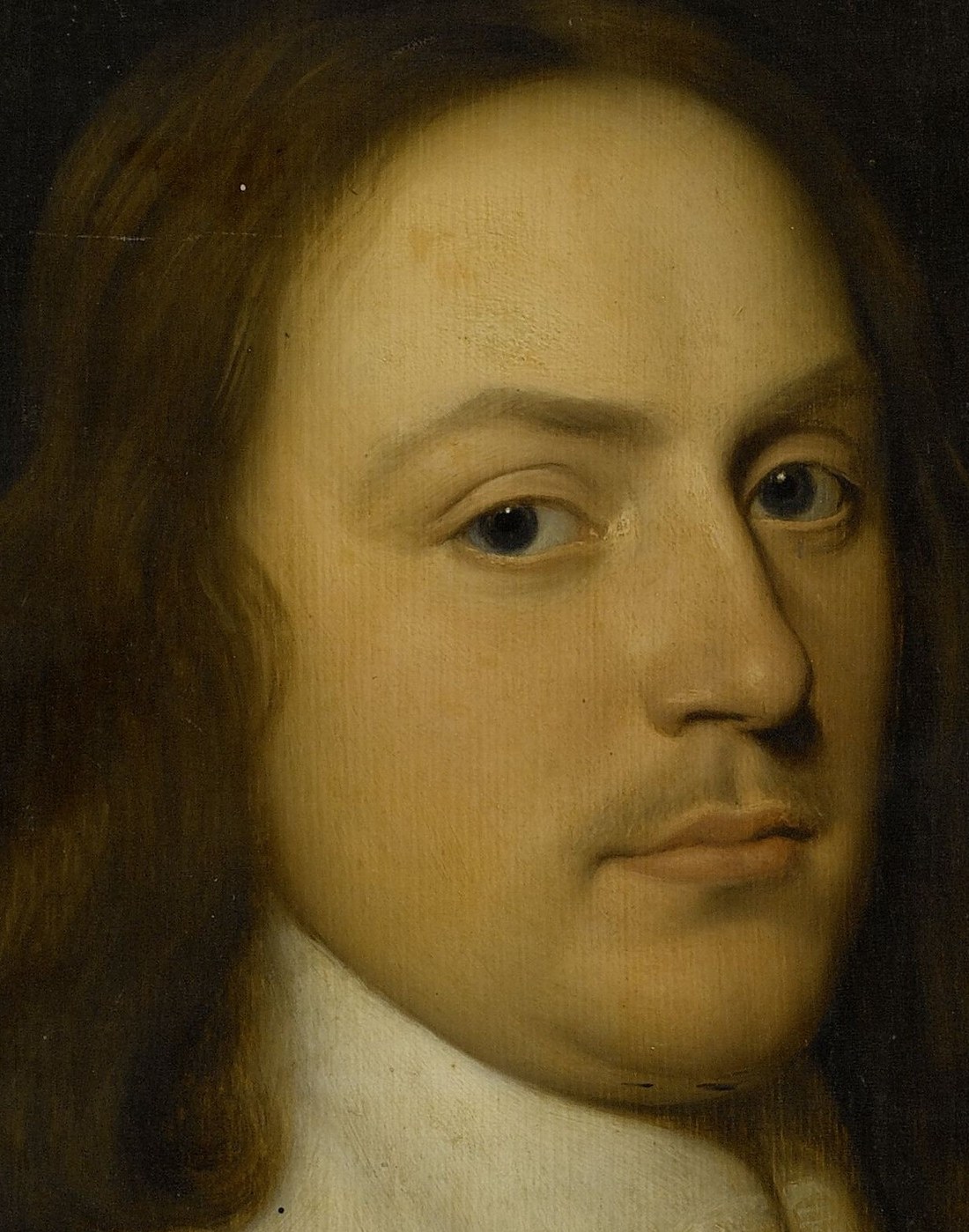
Observe how van Honthorst uses a focused beam of light to illuminate the officer's face, the intricate lace collar, and the gleaming armor, making them appear to emerge from the deep shadows. This contrast not only highlights the textures but also gives the figure a powerful, three-dimensional presence.
Van Honthorst returned to the Netherlands to become a leading portrait painter of the Dutch Golden Age. His work, influenced by Italian Baroque techniques, brought a new level of realism and theatricality to Dutch secular portraiture. It reflects a period when individualized portraits were highly valued.
The skill in rendering light and shadow is truly captivating. What details do you notice in the way the light falls?
Details
Transcript
This painter was nicknamed 'Gerard of the Nights.' He was famous for dramatically lit scenes, like this one. Look how the light catches the officer's polished armor. Even the intricate lace collar seems to glow. His time in Rome studying Caravaggio taught him this skill. It's all about the contrast between light and deep shadow.