The Bronx River by Ernest Lawson
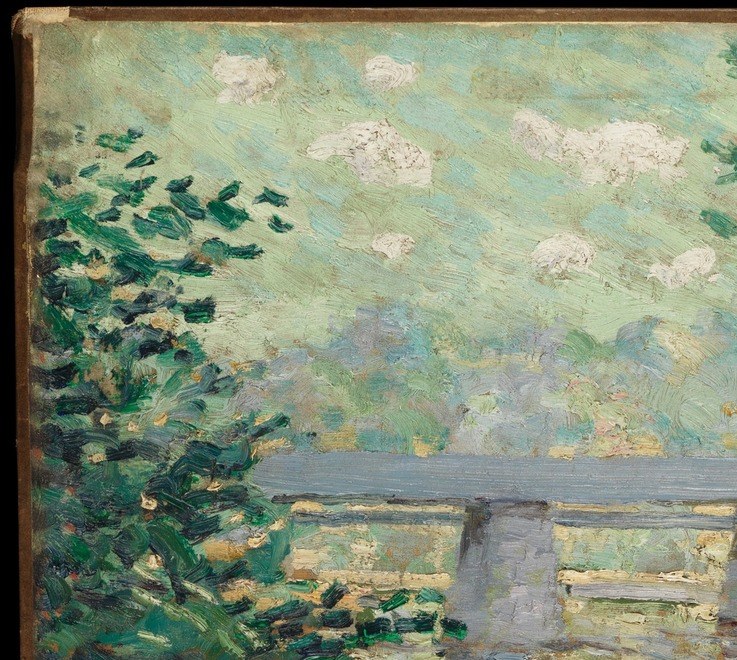
This is Ernest Lawson's "The Bronx River," painted in 1910 and now in the collection of The Metropolitan Museum of Art. It was stolen by a museum employee in 1983 and hidden inside a bathroom wall for four years.
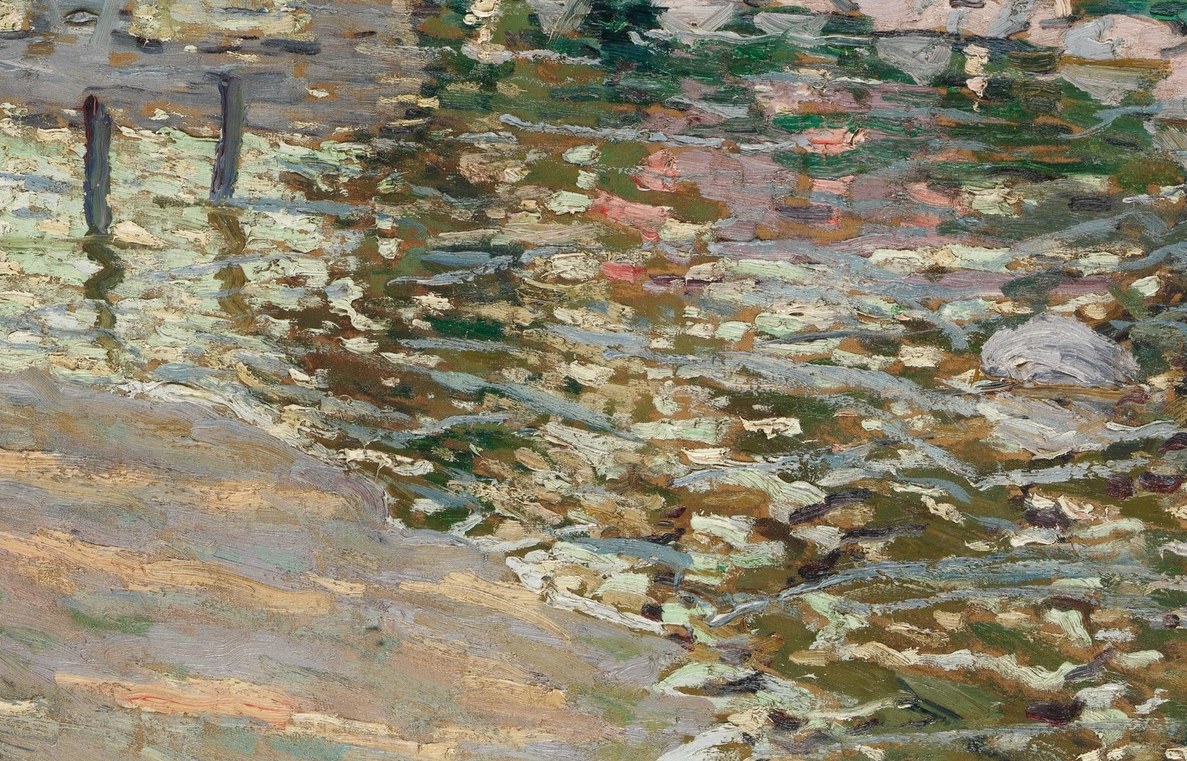
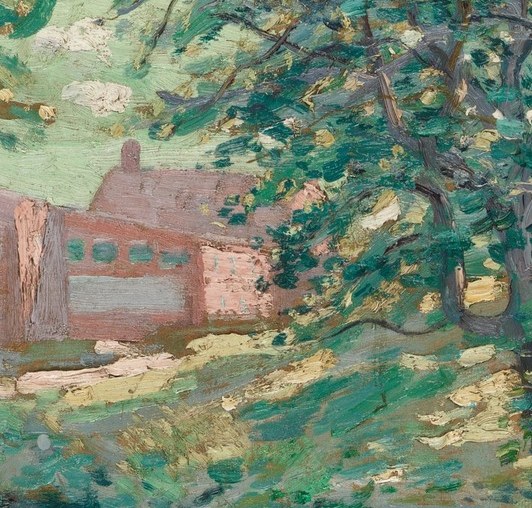
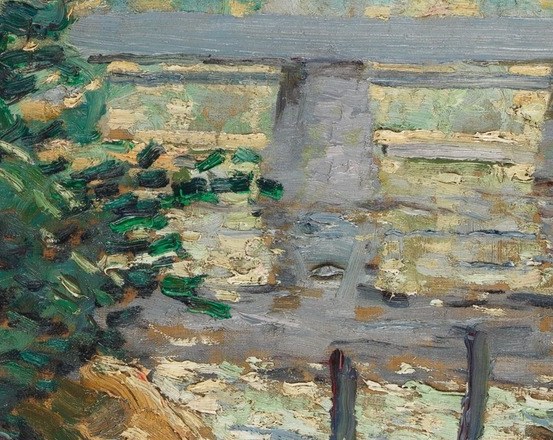
Lawson was a member of The Eight, a group of artists who protested the National Academy of Design's tight grip on American exhibitions. His style here sits between Impressionism and realism. Look at the dappled sunlight on the water: built up in thick, opaque strokes of ochre, white, and brown that catch the light differently at every angle. The dark vertical piling standing alone in the river is a quiet industrial scar, an old pier or dock remnant from the working waterway this once was.
In 1983, a security guard at the Met simply took the painting off the wall and carried it out. He hid it behind a panel in his bathroom, where it stayed until a tip led investigators to recover it in 1987. Lawson, who had died in poverty in 1939, never knew his quiet river scene would one day be the object of a heist.
What does a painting mean after it has been stolen and returned?
Details
Transcript
This landscape hung in a bathroom for four years. The man who put it there worked at the museum. Lawson built this river with thick, jewel-like strokes of paint. That lone piling in the water is an old industrial remnant. Lawson painted the Bronx as it was losing its wildness. In 1983, a museum guard simply lifted it off the wall. He hid it behind a bathroom panel until someone turned him in.