Still Life with Glasses and Tobacco by Willem Claesz Heda
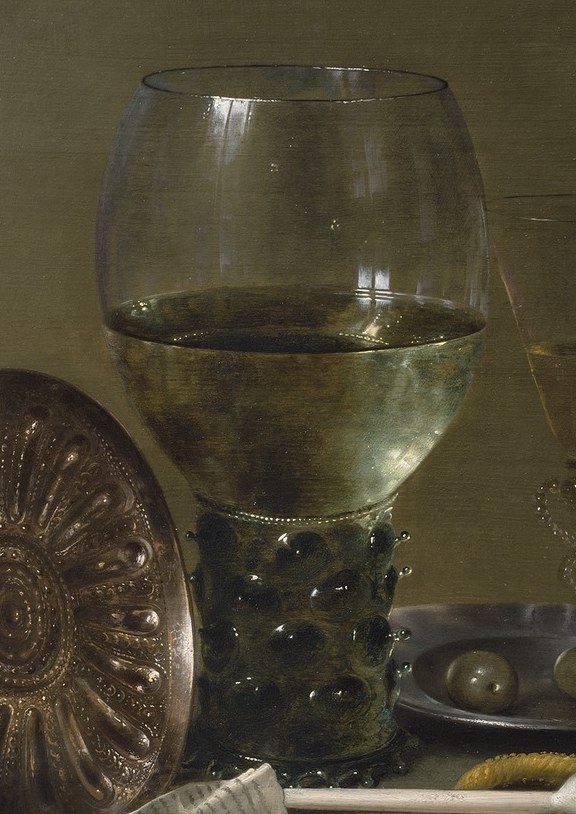
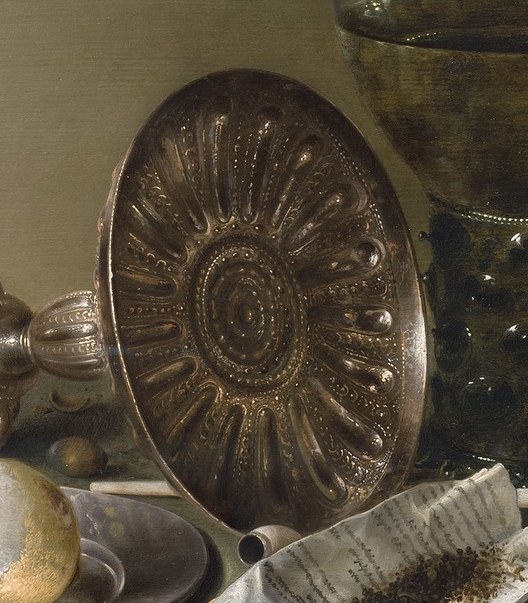
Willem Claesz Heda's "Still Life with Glasses and Tobacco" from 1633 captures the aftermath of a meal, a common theme for the Dutch Golden Age painter. While many details speak to the era's taste for texture and light, one tiny element often goes unnoticed.
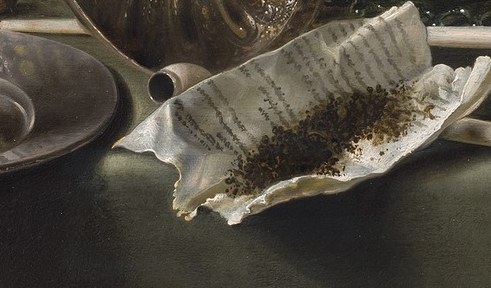
Look closely at the crumpled paper on the right side of the painting. Among the scattered tobacco, a small, glowing ember reveals the presence of a rolled cigarette. This particular detail is quite rare for paintings of this period, offering a vivid glimpse into 17th-century habits.
Heda, from Haarlem, was a master of the 'late breakfast' still life, meticulously rendering everyday objects with a restrained palette. His works often invited contemplation of the transient nature of material goods, even as they celebrated the prosperity of the Dutch Republic.
This painting, now in the Museum of Fine Arts Boston, continues to offer new discoveries to those who take the time to look deeper.
Details
Transcript
This Dutch still life, painted in 1633, shows a table after a meal. The artist specialized in these 'late breakfast' scenes. He was famous for showing light on different textures, like this lemon. Now look closely at the crumpled paper on the right. Tobacco was common, but this is a rare detail for 1633. See the tiny, glowing end of a rolled cigarette.