Four Figures by Adolphe Joseph Thomas Monticelli
Adolphe Joseph Thomas Monticelli's "Four Figures," painted in 1865, is an oil painting that showcases the artist's unique style, pre-dating the Impressionist movement. It's held in the collection of The Metropolitan Museum of Art.
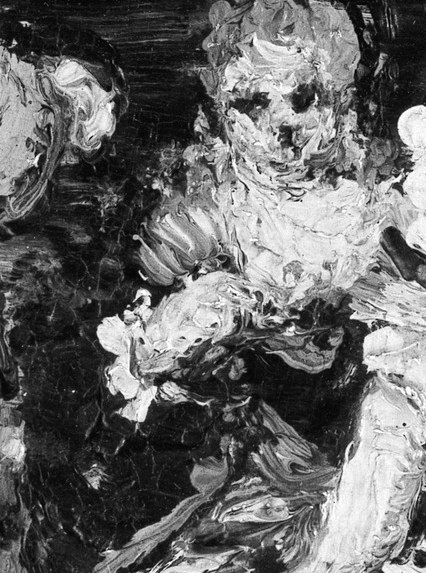
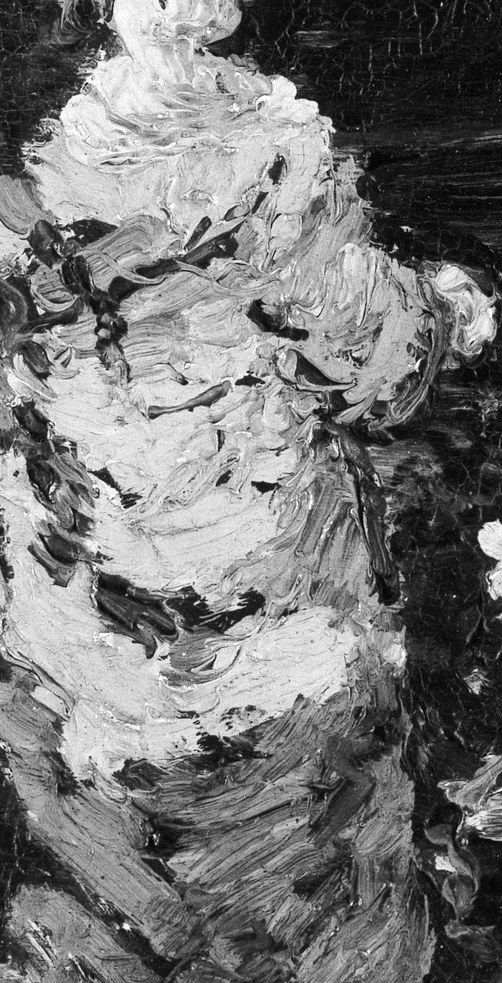
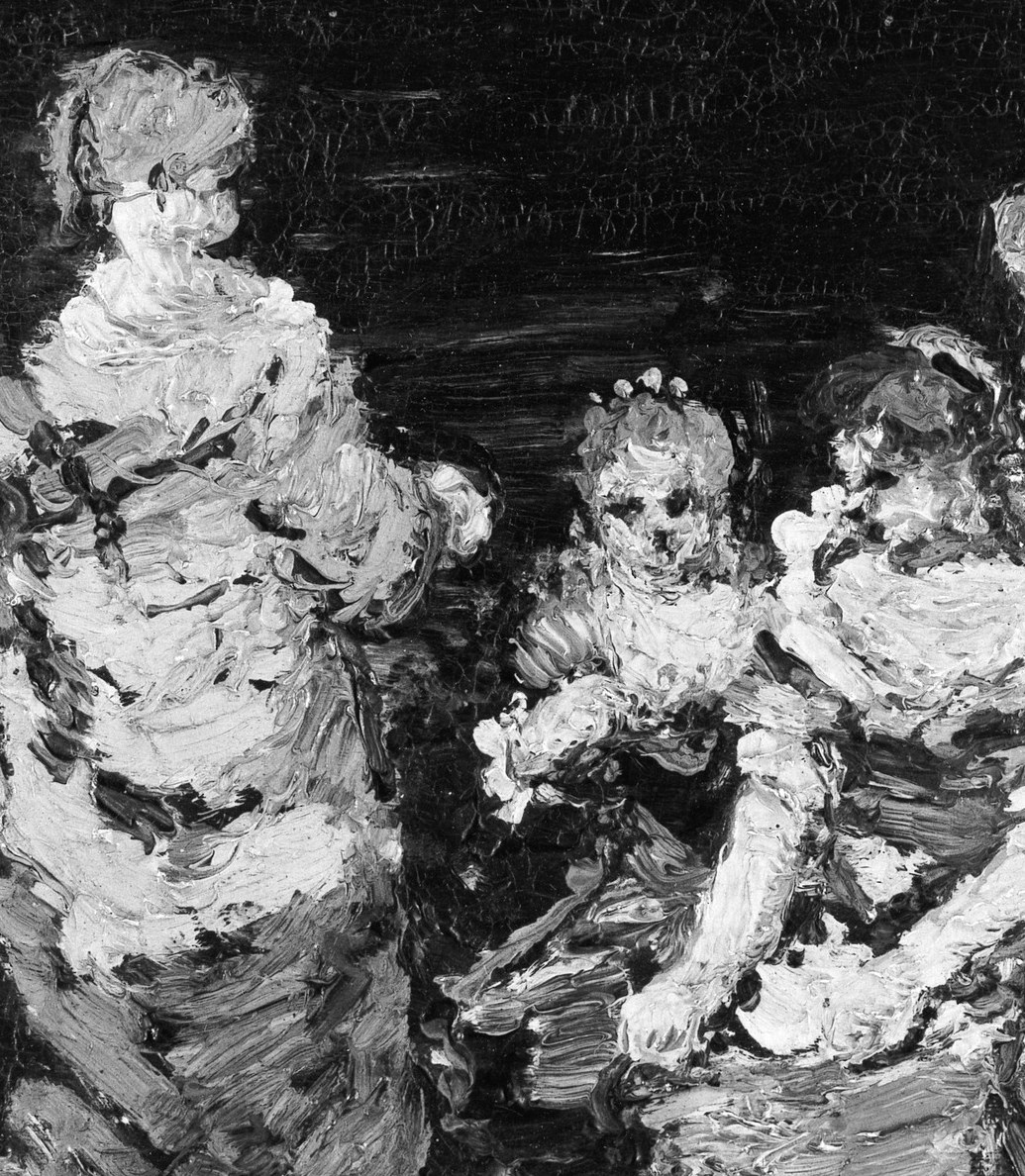
Notice the thick, uneven application of paint, known as impasto. This technique gives the figures a sculptural quality, making them seem to emerge from the canvas with a palpable presence, especially in their luminous white robes against the dark background.
Monticelli, a French painter, was known for this distinctive method, which profoundly influenced later artists like Vincent van Gogh. His work represents a fascinating bridge between Realism and the expressive possibilities of paint.
The painting's focus on form and light, rather than detailed individual identity, invites contemplation. What do these figures signify to you?
Details

Transcript
This painting from 1865 precedes the Impressionists. Its painter, Monticelli, worked in a distinctive style. He applied thick, uneven strokes of paint. This impasto method makes the figures almost sculptural. The luminous white robes emerge from a somber background. This technique gives them a palpable, tangible presence. Monticelli's work was celebrated by Vincent van Gogh.