Five Children of the Budd Family by American 19th Century
The painting, "Five Children of the Budd Family," created around 1818 by an unknown American 19th Century artist, is a formal group portrait that speaks volumes about family and status of the era. It resides in a private collection.
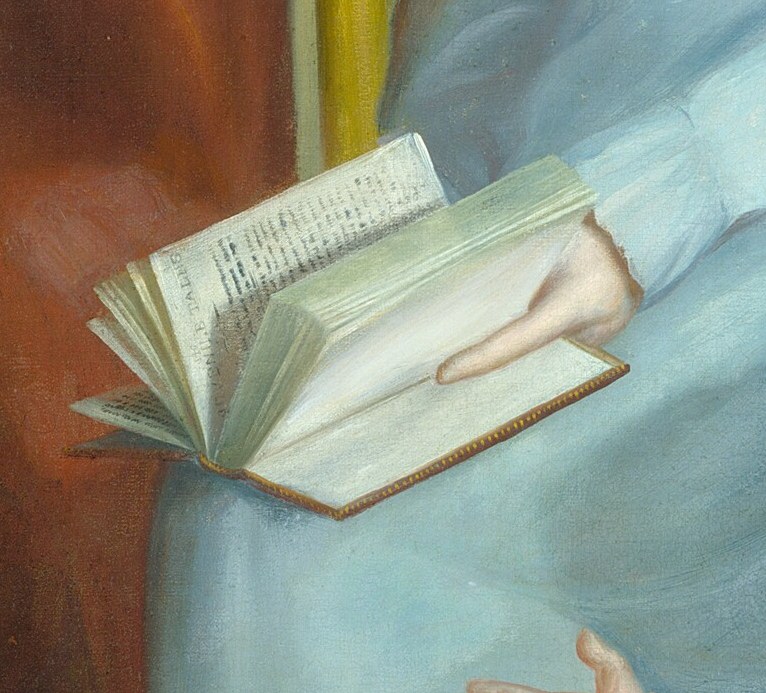
Notice the children's elaborate attire, a clear sign of their family's wealth. Details like the delicate gold necklace and the open book, held by one of the boys, subtly reinforce the family's social standing and their dedication to education.
In the early 19th century, group portraits of affluent children were a common way for families to document their lineage and prosperity. These works served as prominent displays within their homes, reflecting a desire to preserve their family's image for future generations.
What do you notice first about this carefully composed family portrait?
Details
Transcript
This portrait captures five children of the affluent Budd family. Their elaborate clothing signals their family's social standing. This open book suggests the family valued education and literacy. A calico cat brings a touch of warmth and domesticity. The youngest boy playfully rests his hand on his older brother's head. Each child's pose was carefully chosen to convey personality. Portraits like this were often displayed to affirm lineage and prosperity. A lasting record of their children for generations to come.