The Coffee Mill by Juan Gris
Juan Gris's The Coffee Mill, painted in 1916, is a key example of Synthetic Cubism, a style that transformed everyday objects into complex architectural arrangements of color and form. Held at The Cleveland Museum of Art, this painting invites viewers to look at the ordinary through a new lens.
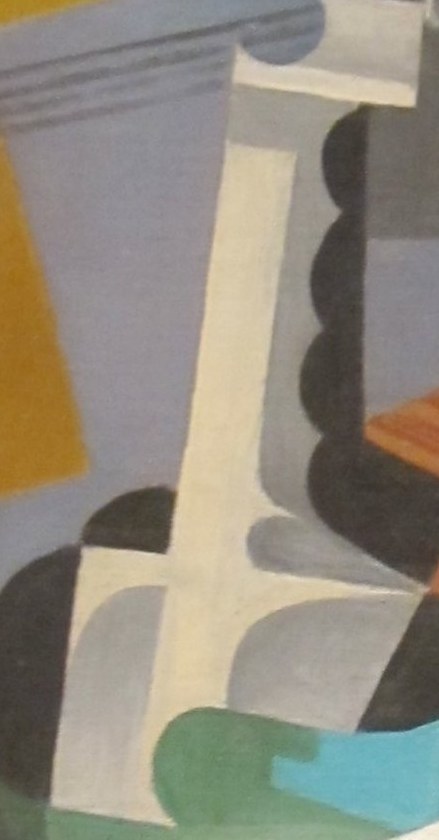
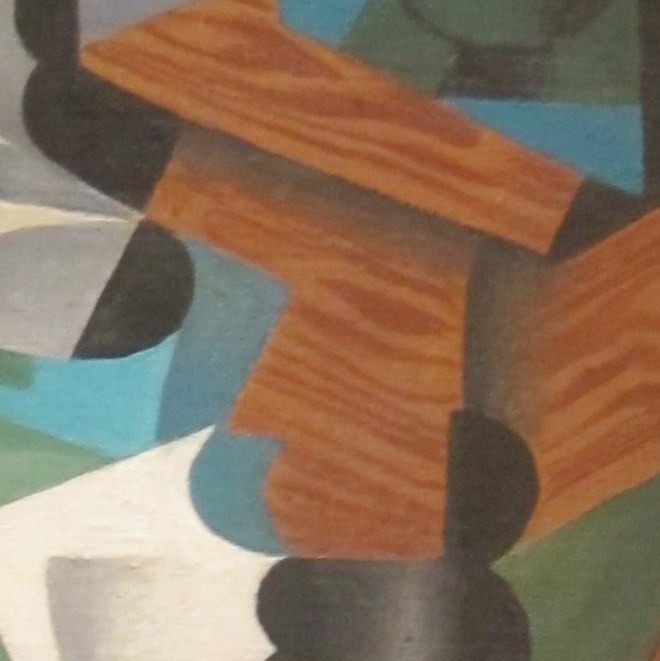
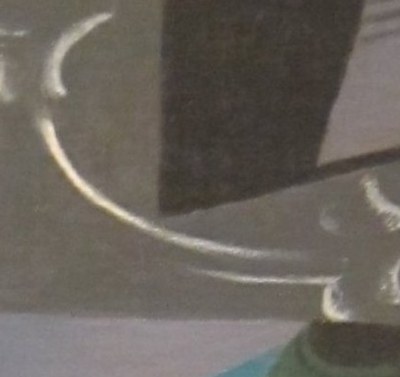
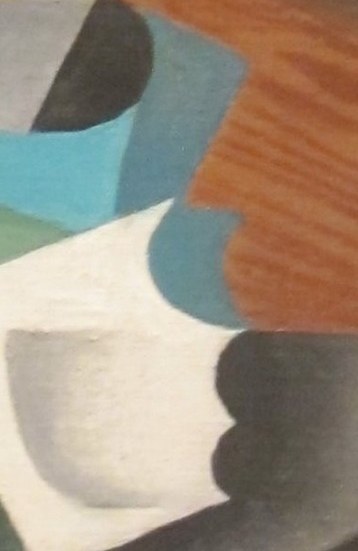
Observe how Gris breaks down the simple coffee mill, cup, and saucer into interlocking geometric planes. He uses a deliberate interplay of smooth painted areas and textured brushstrokes, creating a rhythmic balance. The dynamic white swirl, for instance, adds a touch of lightness, suggesting the steam or aroma of hot coffee.
Gris, a Spanish painter who lived and worked in France, was closely connected to the Cubist movement. This work, created during a period when he was refining his signature style, reflects his interest in the structural logic of objects and his unique ability to harmonize abstraction with recognizable reality.
What everyday object around you could be reimagined through geometric shapes?
Details
Transcript
This Spanish painter focused on everyday objects in Paris, 1916. He took a simple coffee mill and broke it into geometric planes. This was Synthetic Cubism, building forms from interlocking shapes. He combined smooth paint with textured brushstrokes for subtle relief. The dynamic swirl suggests the steam and aroma of hot coffee. He transforms the mundane into a complex arrangement of color and form.