The Denial of Saint Peter by Rembrandt
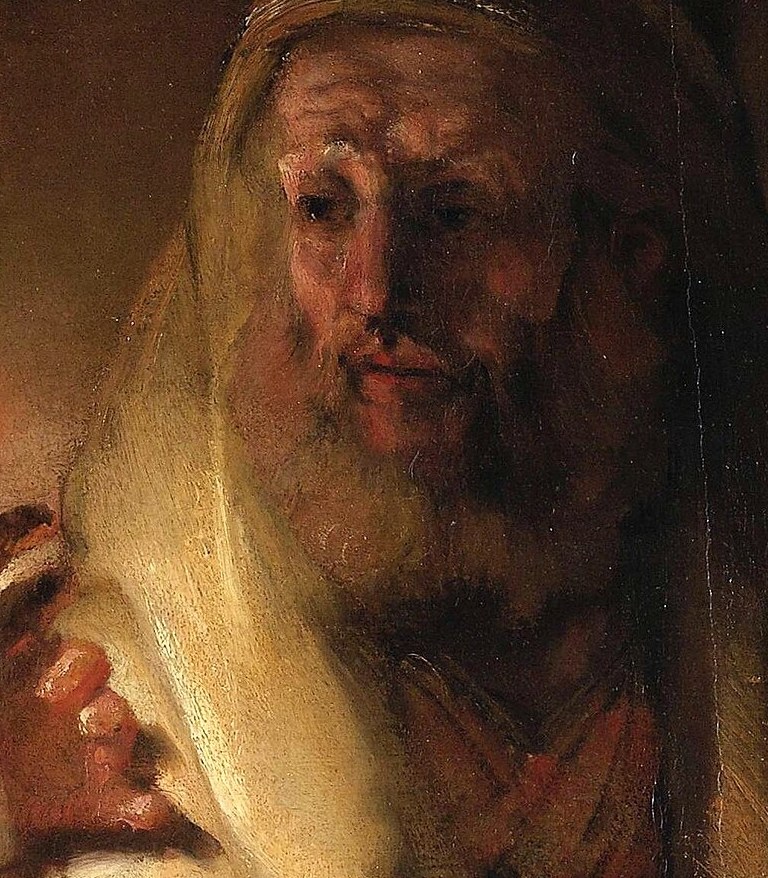
Rembrandt's 1660 masterpiece, *The Denial of Saint Peter*, at the Rijksmuseum, Amsterdam, captures a deeply human moment of betrayal and recognition. Though Peter's dramatic denial takes center stage, a subtle yet crucial detail often goes unnoticed by many viewers.
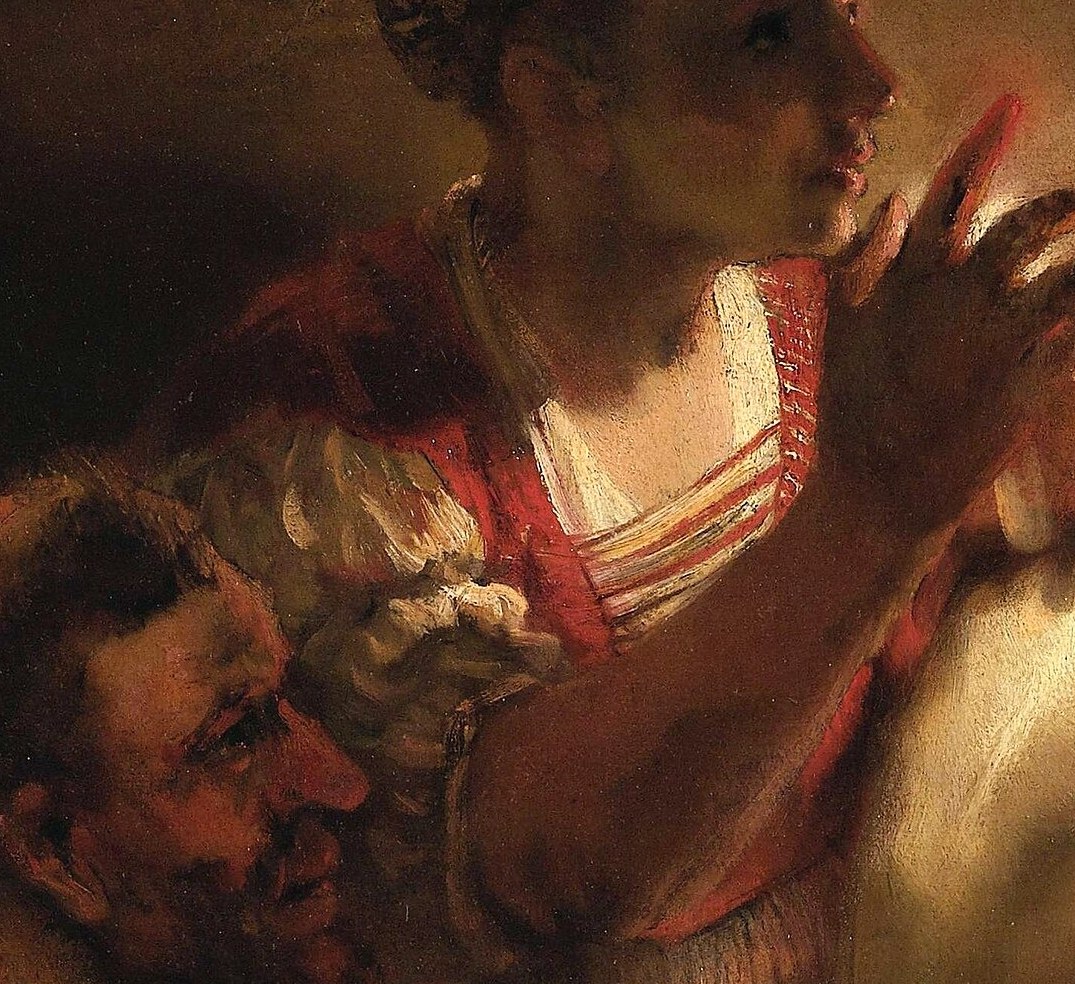
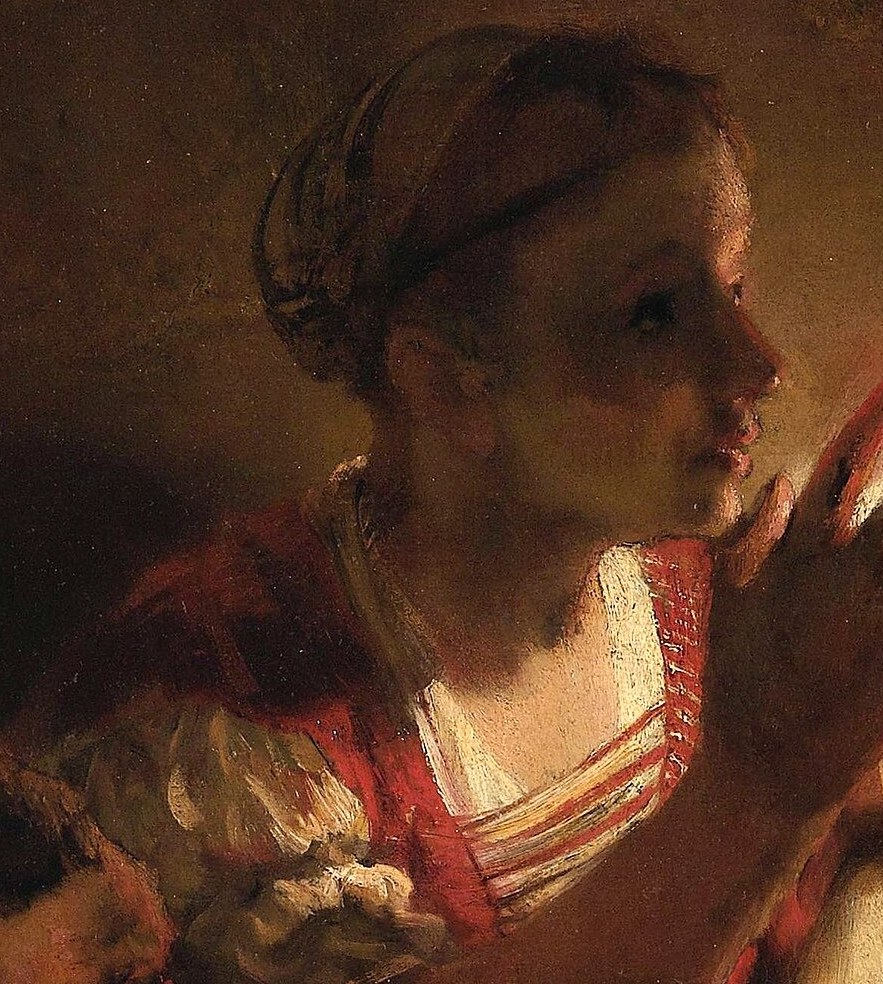
Look closely at the figures in the dimly lit background. As Peter gestures his denial to the servant woman, illuminated by a single candle, another scene unfolds in the shadows.
Almost imperceptibly, Jesus is depicted being led away, turning to cast a glance back at Peter. This silent, empathetic look transforms the scene from one of mere denial into a profound moment of foreknowledge and human failing, just as the biblical narrative describes.
Rembrandt, who never traveled to Italy, likely drew inspiration from Flemish engravings for this powerful composition. What emotion does Jesus's glance evoke in you?
Details
Transcript
This painter shows a moment of intense denial. Peter, caught by a servant, denies knowing Jesus. His denial is illuminated by a single, dramatic candle. Most viewers miss the crucial figure in the dark background. There, Jesus turns, looking back at Peter in this moment. It’s a silent, empathetic glance, just as foretold.