View of Tunis by Reinier Nooms
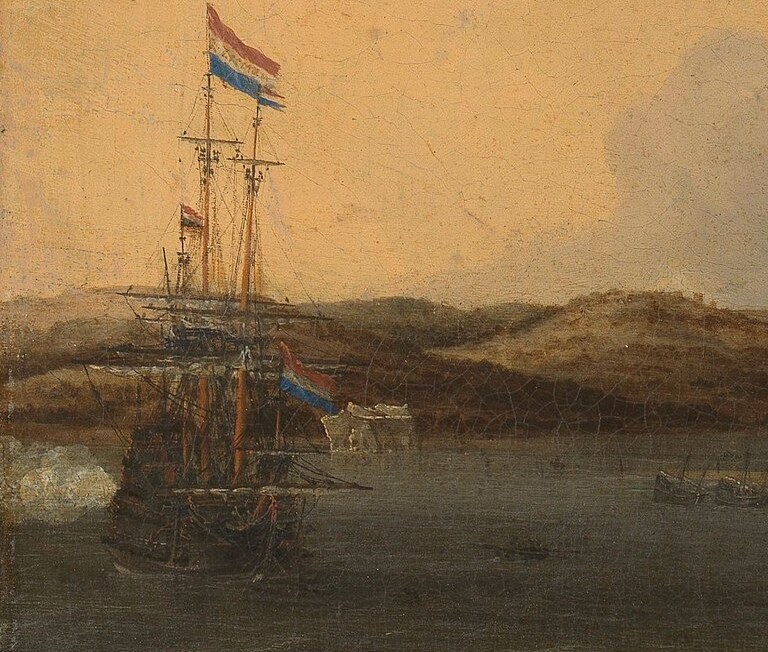
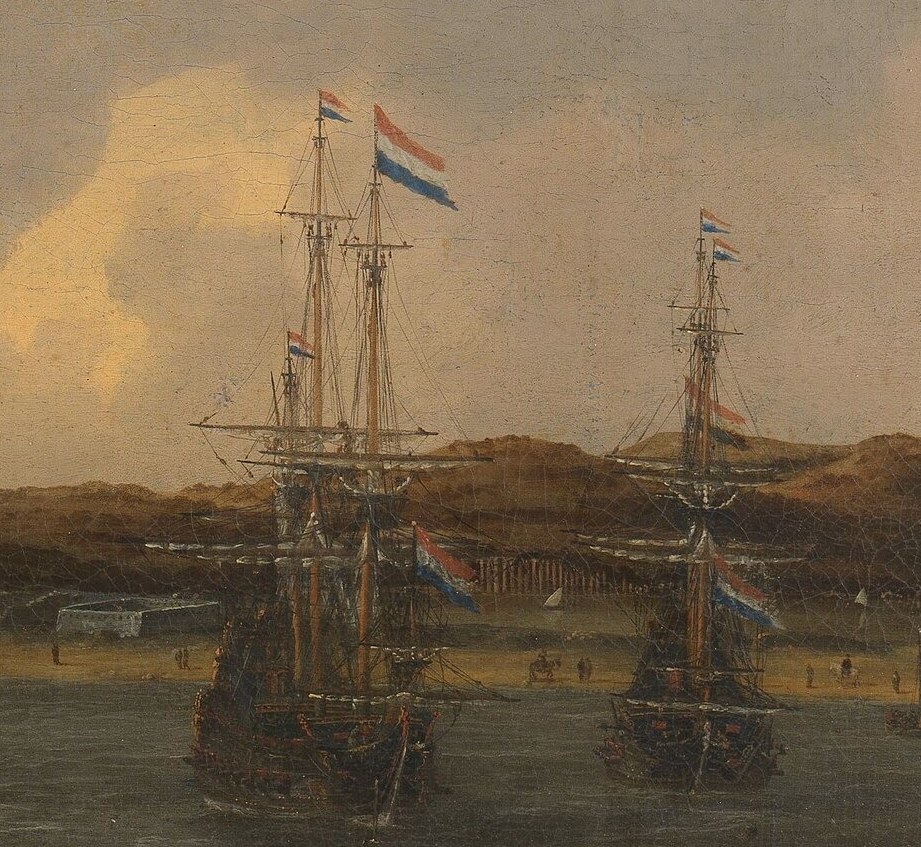
In Reinier Nooms's 1662 oil painting, *View of Tunis*, the artist, also known as Zeeman (Dutch for "sailor"), demonstrates an unparalleled understanding of maritime subjects. His meticulous depiction of ships and the sea became a benchmark for other artists of his time. The painting is part of the Rijksmuseum's collection.
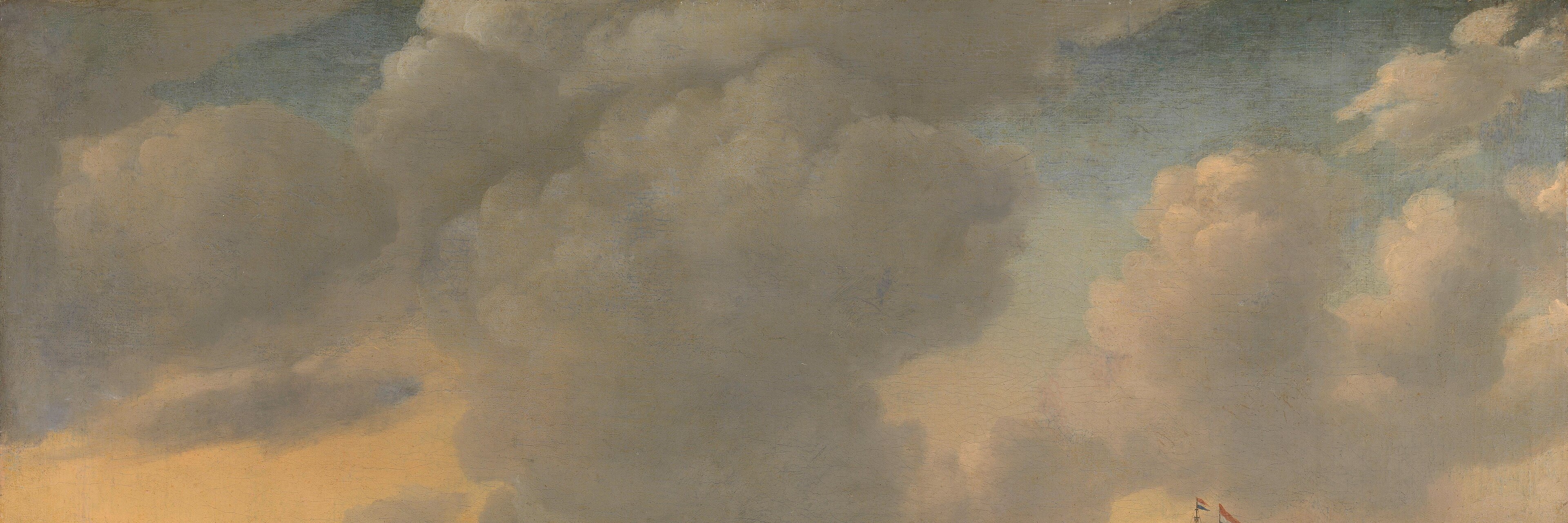
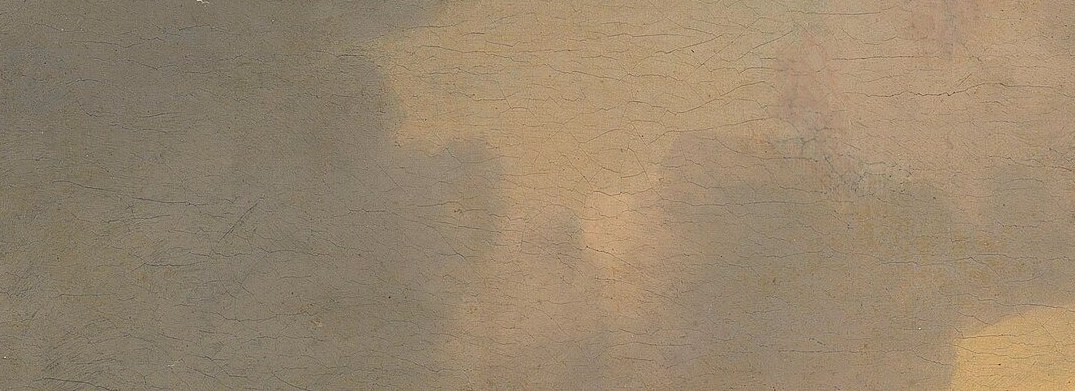
Look closely at the water's surface, where Nooms captures the texture and the play of light on each wave crest with remarkable precision. The dramatic, light-filled clouds contribute to the scene's depth and realism, making the bustling harbor feel immediate and alive.
Nooms, a 17th-century Dutch marine specialist, focused on highly detailed ship paintings and etchings throughout his career. This work exemplifies his topographical accuracy and his ability to convey the functional reality of seafaring in the Mediterranean in the mid-1600s.
How does this precise attention to detail change your perception of a historical moment?
Details

Transcript
This painter was a sailor, nicknamed Zeeman. He knew ships, and the sea, better than anyone. He renders the water in painstaking, precise detail. Notice the texture, the light on the wave crests. His luminous clouds create dramatic depth and realism. This mastery made his work a benchmark for other artists.