The Garbage Cart by William P. Chappel
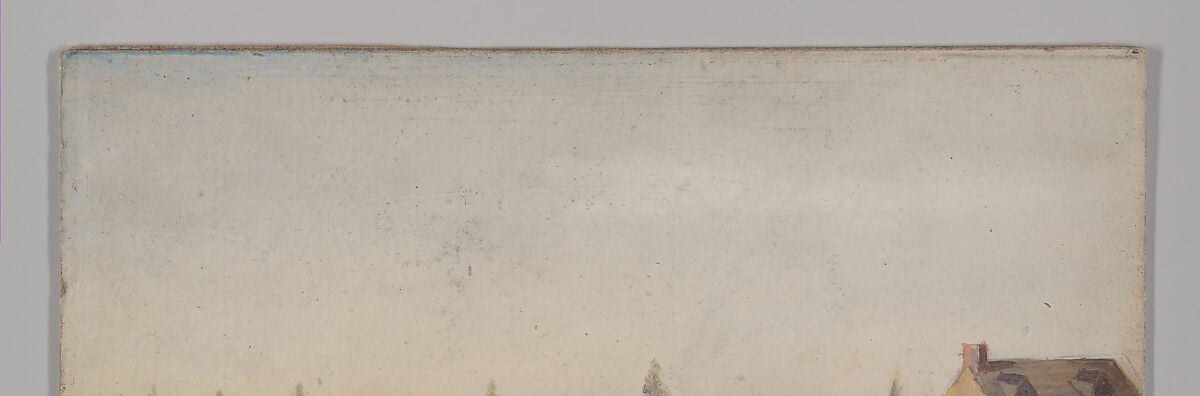
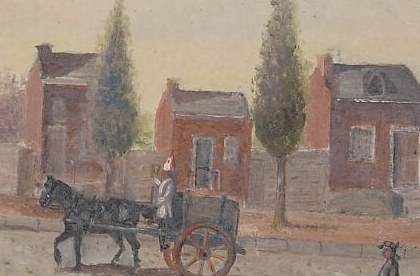
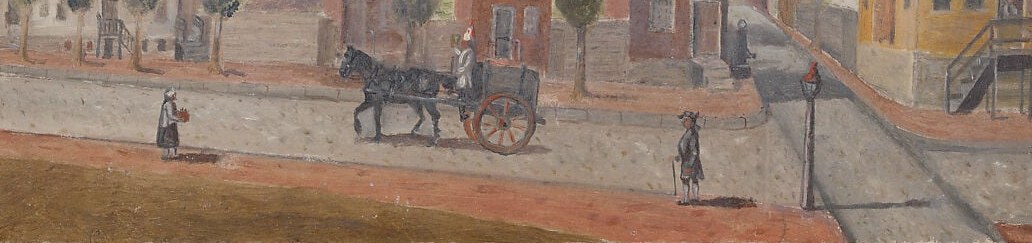
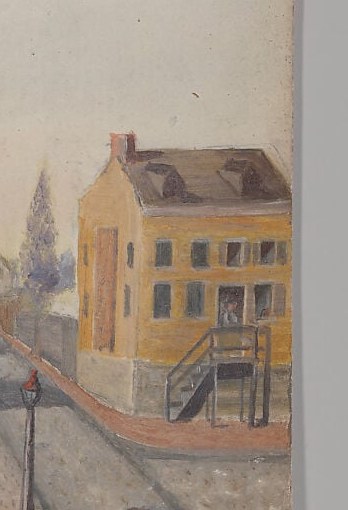
This is The Garbage Cart, painted by William P. Chappel in the 1870s. It is not a scene of a great battle or a famous figure; it is a portrait of a regular job on a regular morning on a still-unpaved New York street. Chappel painted on slate paper, a humble material that gives the whole image a soft, almost smudged texture, like a fading memory.
Look at the horse and cart emerging from the muted, gray light. The driver is faceless at this scale, an anonymous worker. This was the invisible labor that kept a growing city from drowning in its own filth. The bare trees and the wooden picket fence on the right are not picturesque details; they are documentary evidence of an outer neighborhood before modern zoning.
William P. Chappel (1801-1880) was a chronicler of the unembellished. He painted firefighters, ship builders, and street cleaners without drama, simply because they were the true structure of the city. In the 1870s, New York's streets outside the main thoroughfares were largely still unpaved, rutted, and dusty, exactly as seen here.
The painting is a form of respect. It holds still a moment of necessity that thousands of people passed through without a glance, asking us to see the dignity in the dust.
Details
Transcript
A quiet street. New York, sometime in the 1870s. The sky is leaden, the trees bare. Down the unpaved road comes the reason for the painting. The garbage cart. A horse, a driver, a wooden wagon. Before modern sanitation, this was a city's quiet, daily miracle.