Watermill in Lage, Germany by Julius van de Sande Bakhuyzen
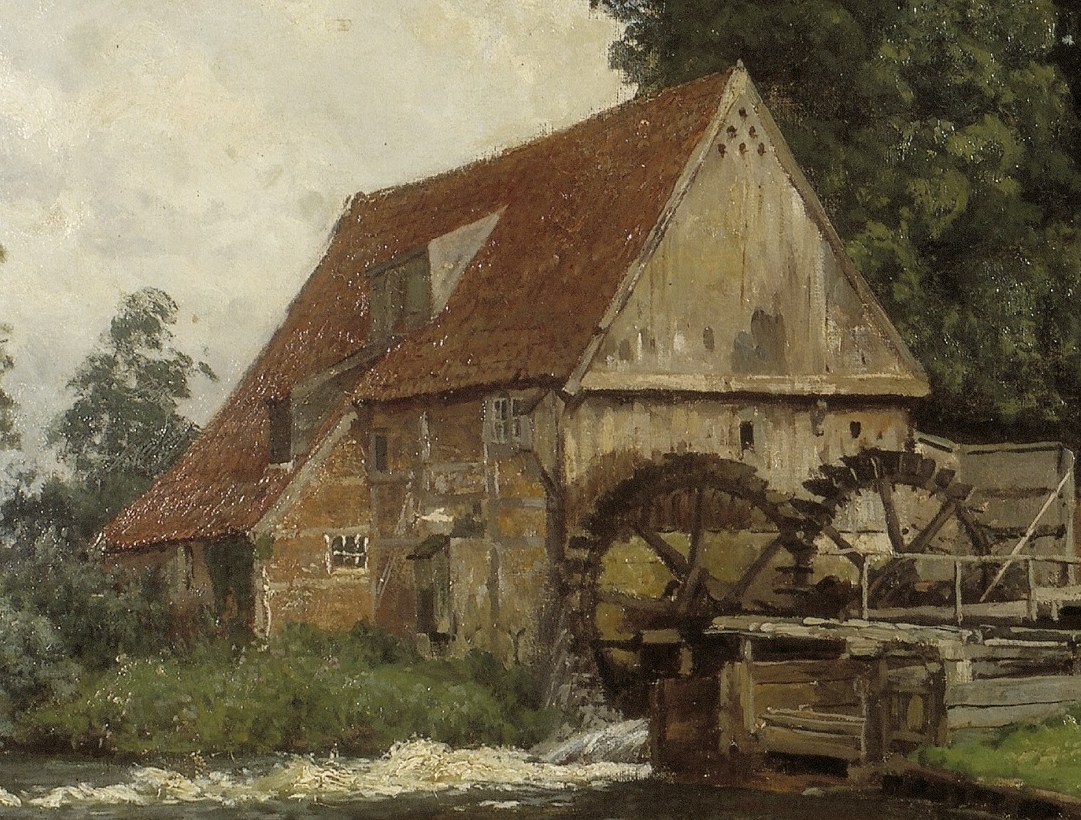
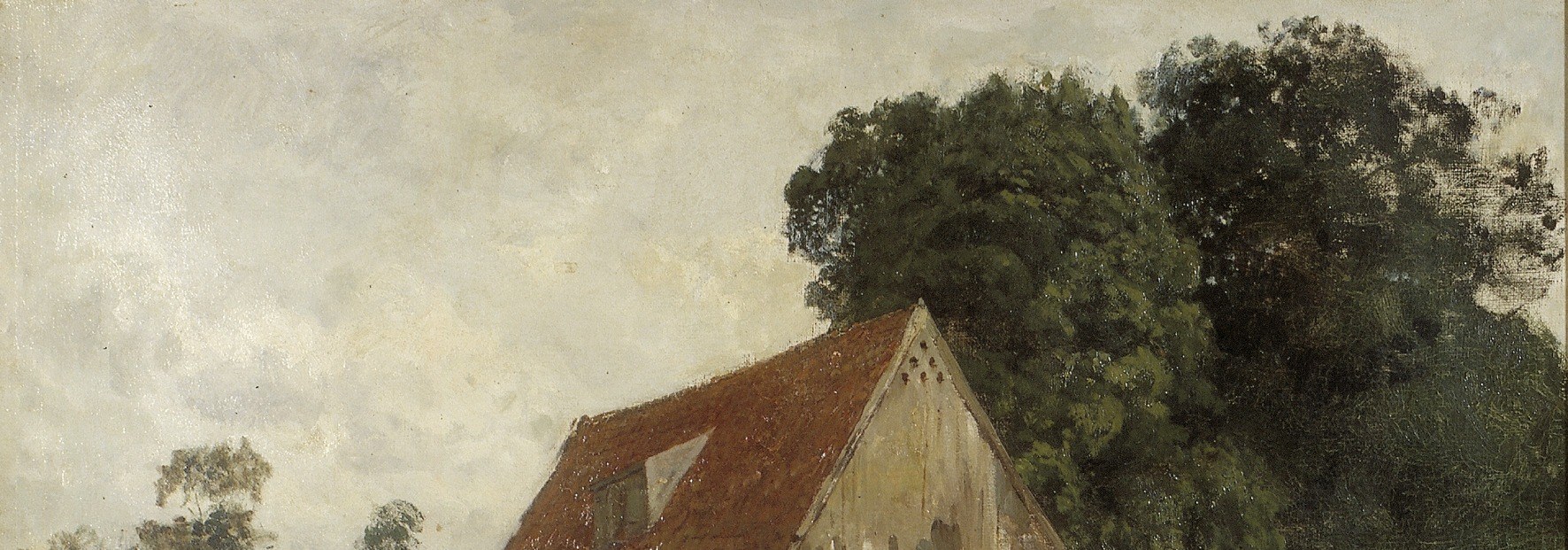
Julius van de Sande Bakhuyzen's 'Watermill in Lage, Germany', painted in 1892, showcases the artist's remarkable ability to capture the fleeting moments of light and atmosphere in oil paint. This work, part of the Rijksmuseum's collection, is a prime example of the Hague School's late 19th-century realism.
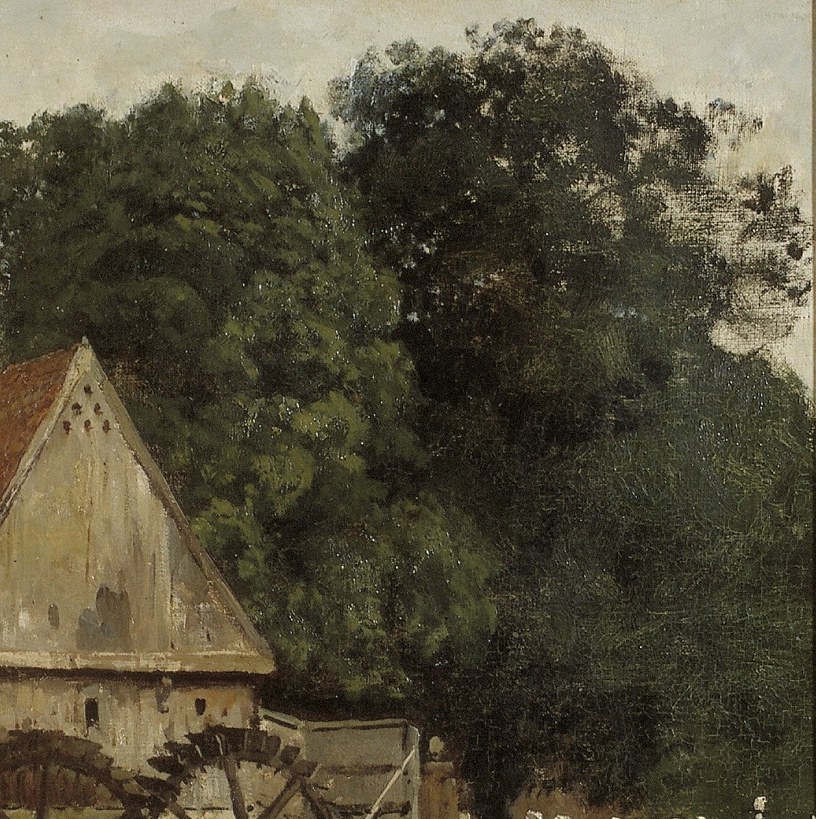
Notice the loose, impressionistic brushwork used, particularly in the dark trees and the flowing water. These rapid strokes create a sense of movement and an almost tangible atmosphere, bringing the tranquil rural scene to life.
Bakhuyzen, a Dutch painter and etcher, was active in artistic societies like Arti et Amicitiae and Pulchri Studio. His landscapes often focused on the simple beauty of the Dutch countryside, emphasizing the harmonious relationship between human industry and nature.
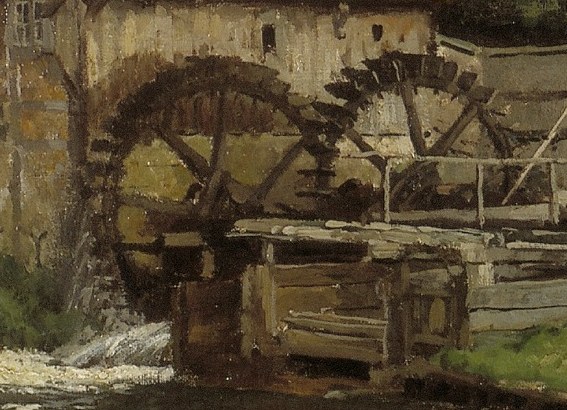
The way the soft light interacts with the water wheel and the ripples on the stream is a testament to the painter’s observational skill. What details do you notice first?
Details

Transcript
This painter was known for landscapes of everyday Dutch life. Look at the dark trees behind the watermill. They are painted with loose, rapid strokes. This impressionistic technique captures movement and atmosphere. See how the light hits the water wheel and flowing water. The soft light suggests a damp, overcast day.