Charity by Abraham Bloemaert
Abraham Bloemaert’s 'Charity', painted in oil in 1596 and housed at The Cleveland Museum of Art, is more than just a beautiful depiction; it’s a thoughtfully coded message about the virtue itself.
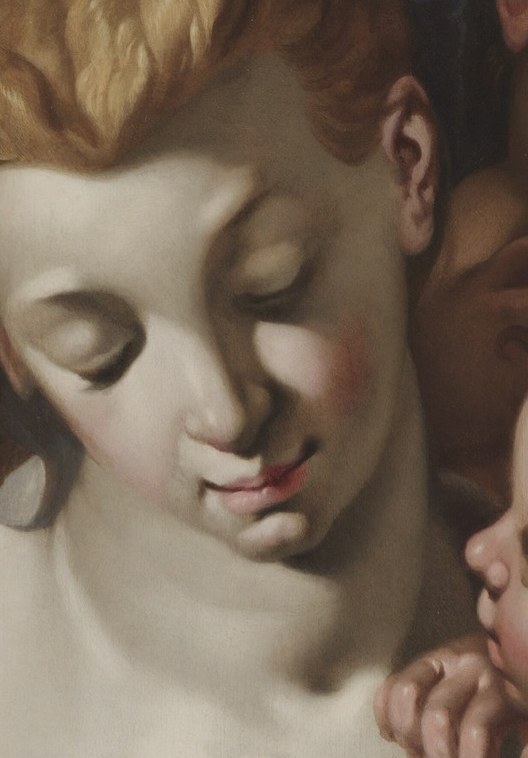
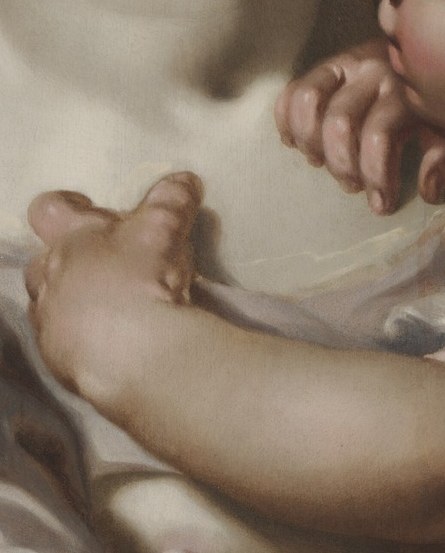
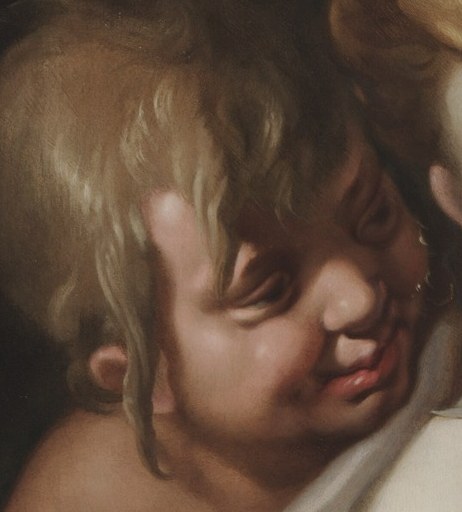
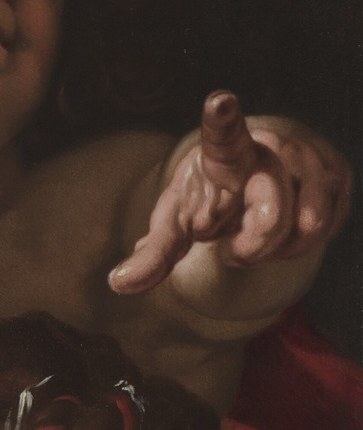
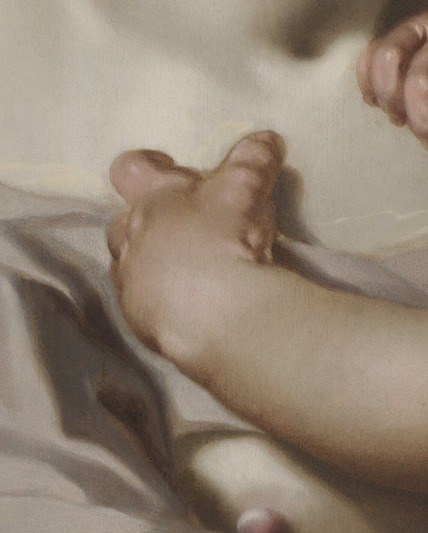
The central figure isn't merely a woman, but an allegorical representation of Charity. The sleeping infant she tenderly holds symbolizes the innocent and vulnerable, those most in need of care. The child on her left represents those who gratefully receive help, while the child on her right, with a reaching hand, embodies the aspirations and desires that charity aims to fulfill.
Bloemaert, a pivotal Dutch Mannerist painter and influential teacher, used this clever visual shorthand to communicate the multifaceted nature of charity in a single, powerful image. It’s a testament to the period's rich tradition of symbolic art.
What other hidden meanings might be found in such allegorical works?
Details
Transcript
This painting, from 1596, is called 'Charity'. It’s not simply a woman, but an allegory of the virtue itself. She cradles an infant, symbolizing the innocent, vulnerable in need. The child on the left represents those who receive help. And this child, reaching out, embodies aspiration and desire. Bloemaert used this code to show the full scope of giving.