Virgin and Child with Saint Anne by Albrecht Dürer (German, 1471–1528)
In 2013, a small Dürer drawing of a lioness went up for auction at Sotheby's New York. The estimate was modest, around a million dollars. The hammer fell at just over five million, setting a record for the artist on the open market. The buyer, however, has never been publicly identified. The drawing went straight into a private collection and has not been seen since.
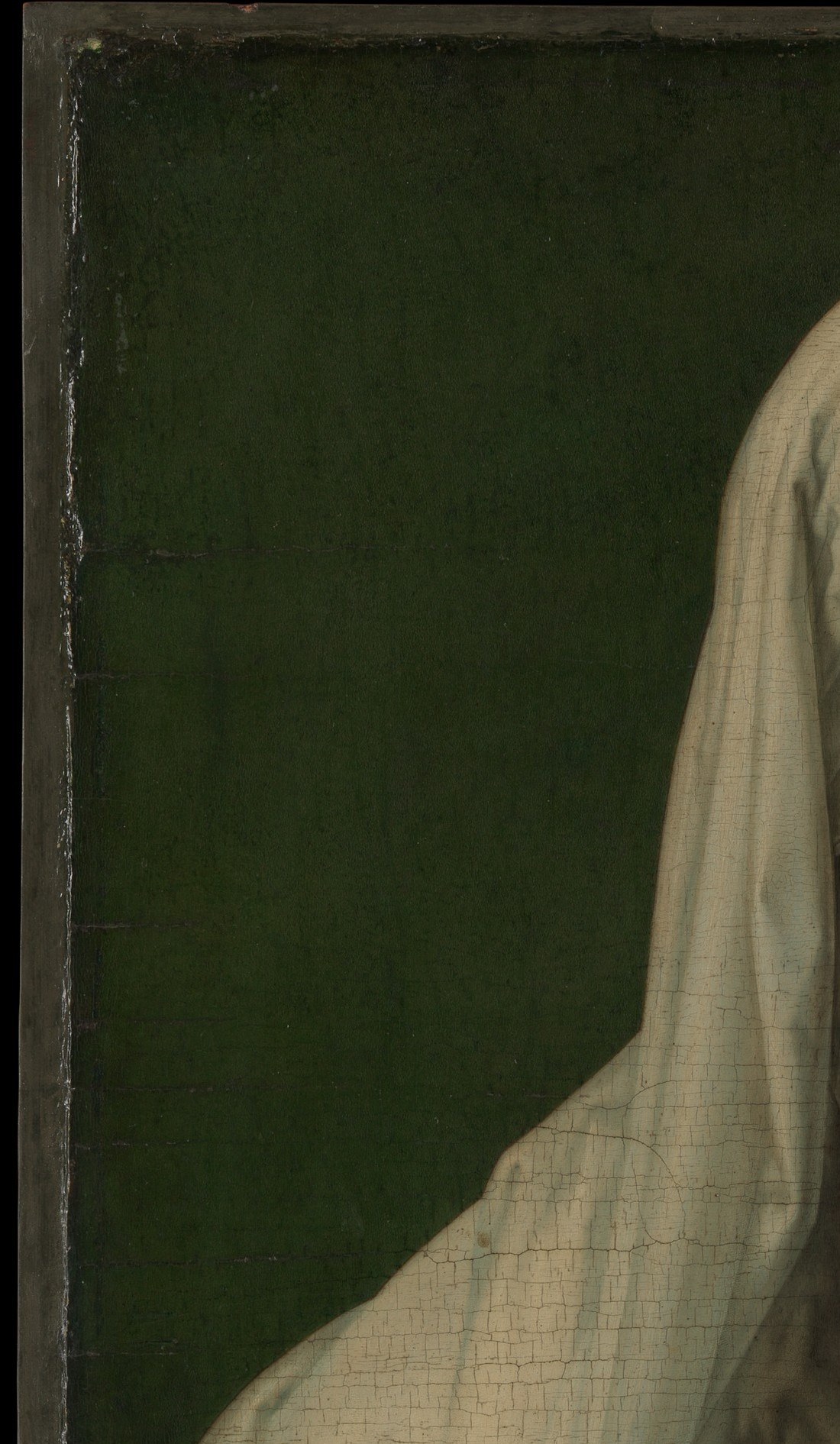
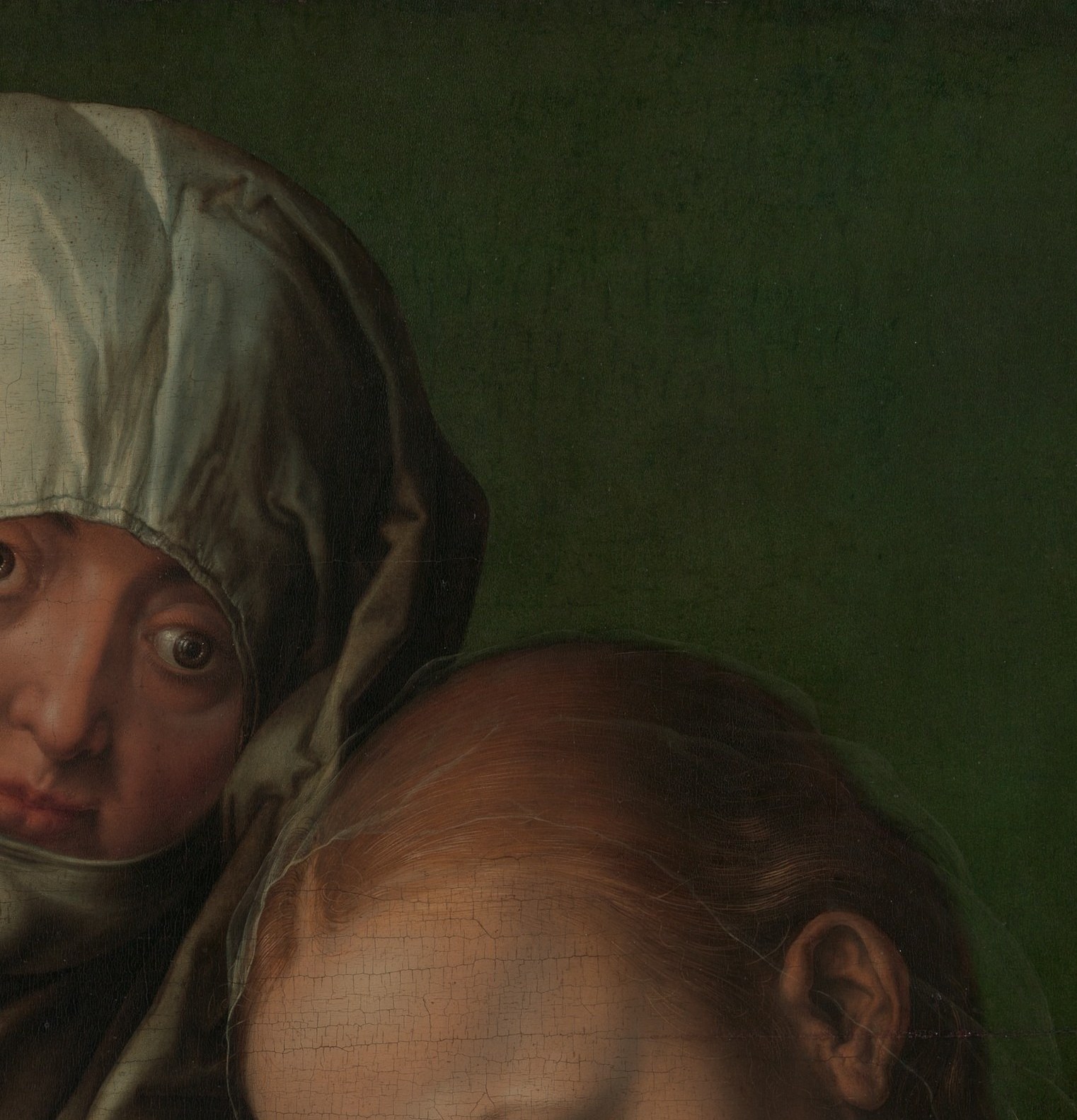
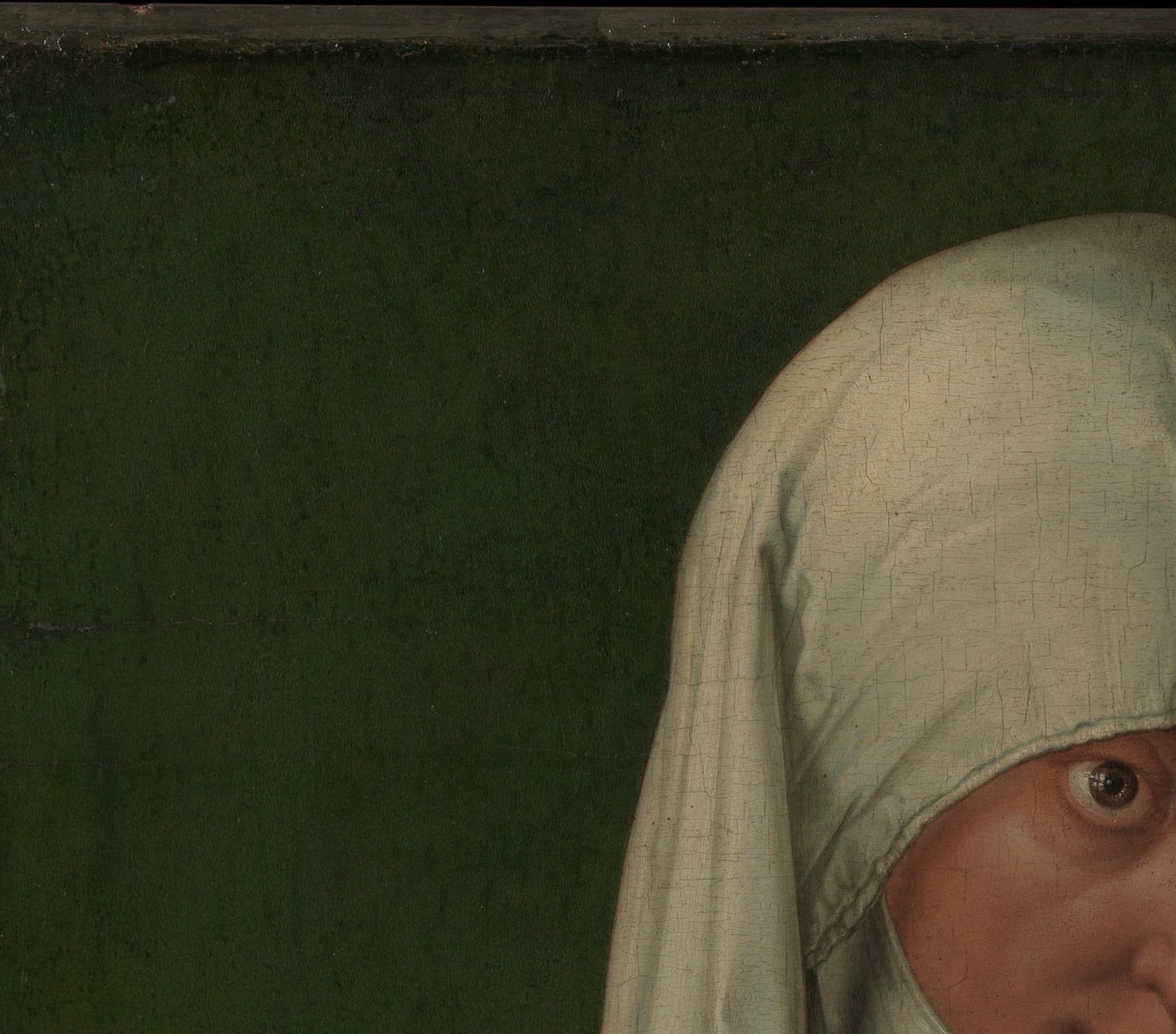
This oil panel, Virgin and Child with Saint Anne, lives a more public life at the Metropolitan Museum of Art. Dürer painted it in 1519, late in his career, after returning from the Low Countries where he had absorbed Netherlandish oil technique. That training shows in the white wimple and the deep void behind the figures, a Flemish approach that pushes all the light onto the faces.
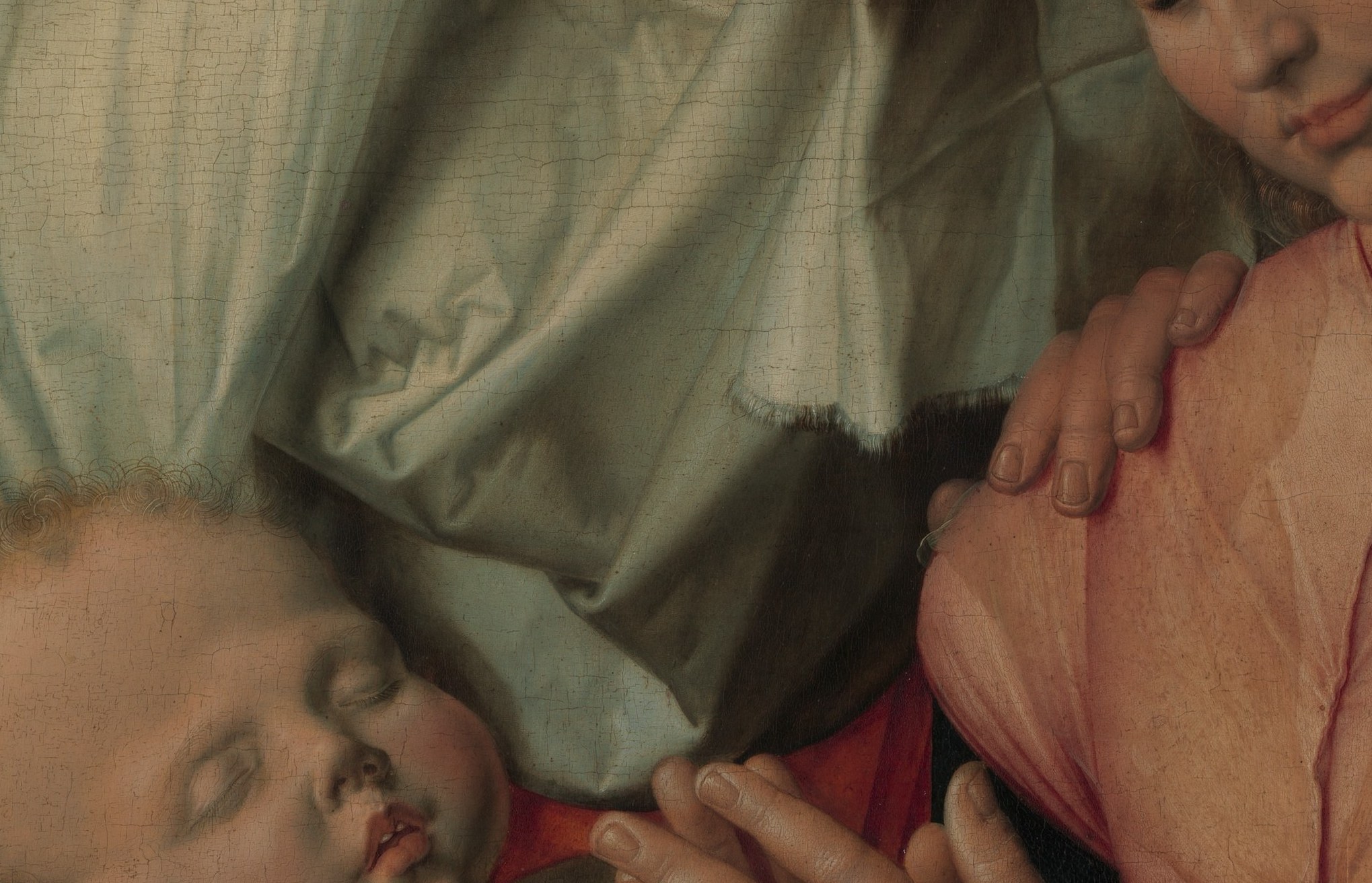
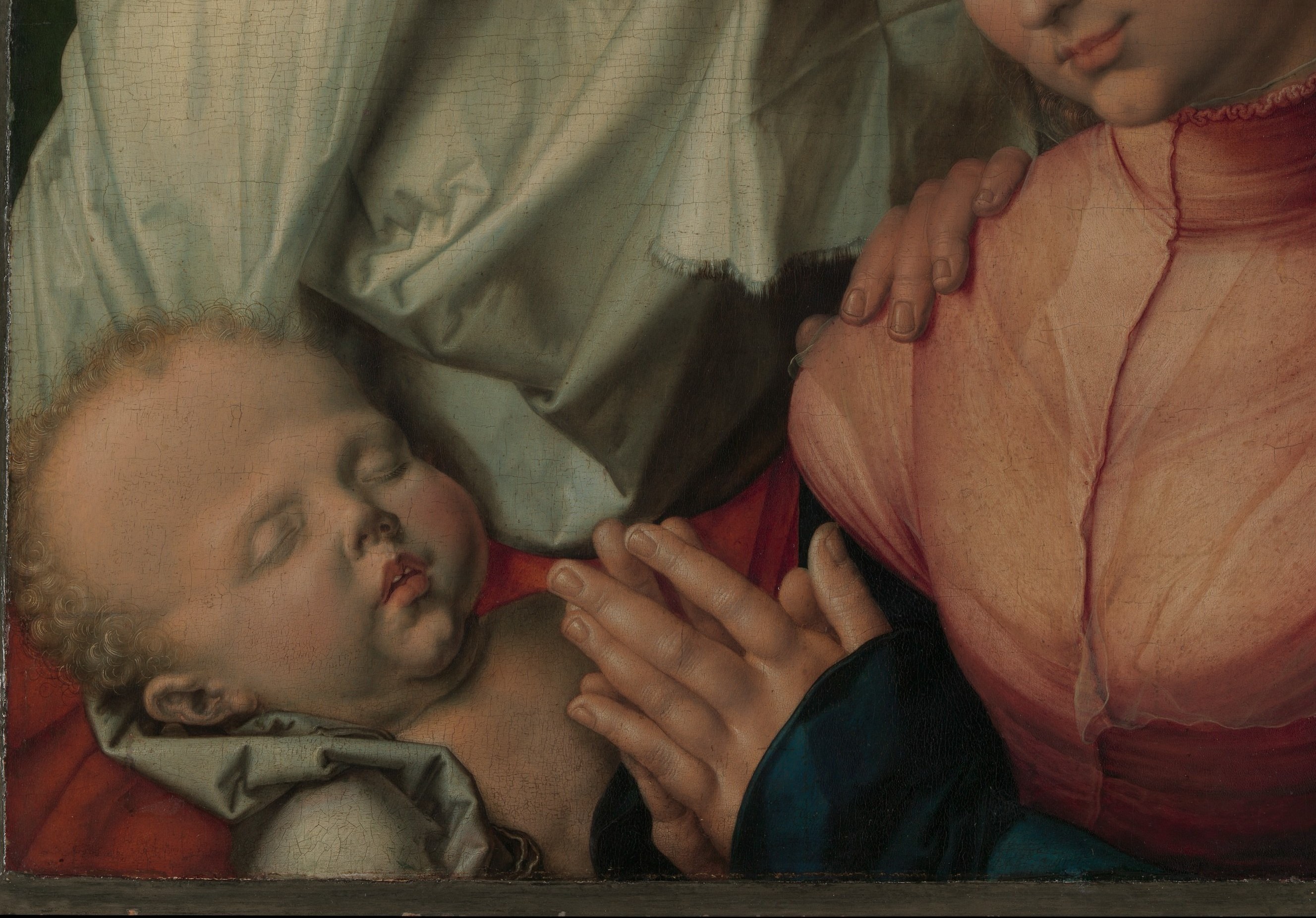
The image is an Anna Selbdritt, Saint Anne with her daughter and grandson, three generations of sacred lineage compressed into a single tight frame. But Dürer departs from convention. Mary's expression is not one of bliss. Her eyes are lowered in something closer to comprehension than joy. Anne's hands rest on the infant Christ with the gentleness of a woman who already understands what the child will cost her daughter.
The painting itself has a physical story. It was originally painted on panel, then at some point transferred to canvas, an operation that would have risked catastrophic loss. At some point a hand added a monogram and the date 1519 to the right border. Scholars are not sure when, or by whom. A Dürer with a questioned signature: that alone is a quiet art-historical thriller.
What would this panel fetch if the Met ever let it go? The 2013 drawing was a sheet of paper smaller than a book. This is a mature, fully realized oil painting by the same hand, from the same late period. Private collectors notice things like that. They just don't always tell anyone.
Details
Transcript
In 2013, a Dürer went to auction in New York. It hammered for five million dollars, the artist's record. But the buyer's identity went with it into the dark. This one remains visible. The Metropolitan Museum owns it. Look at Saint Anne's hands on the child. And Mary's face, not joyful, but knowing. That knowledge is the price. Her son, already spoken for.