The Rainbow Landscape (1640) by Peter Paul Rubens
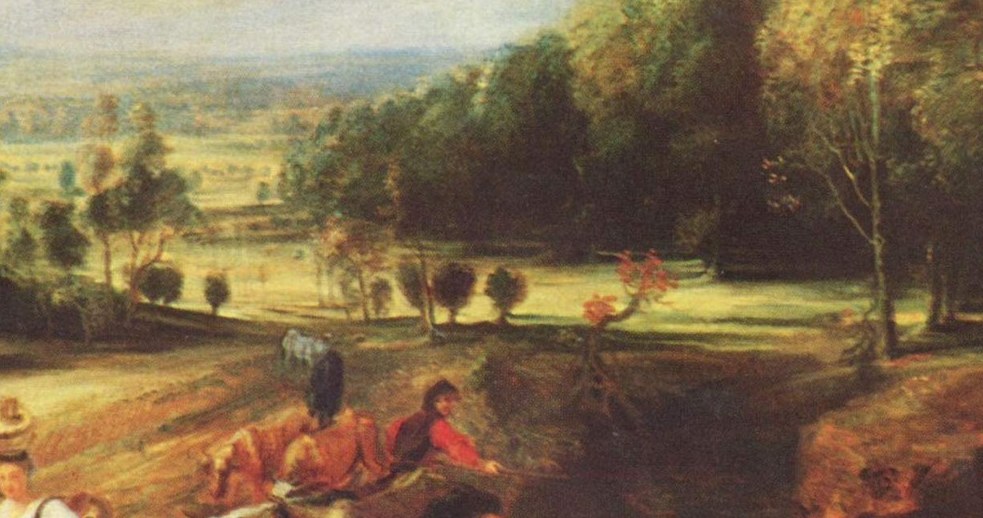
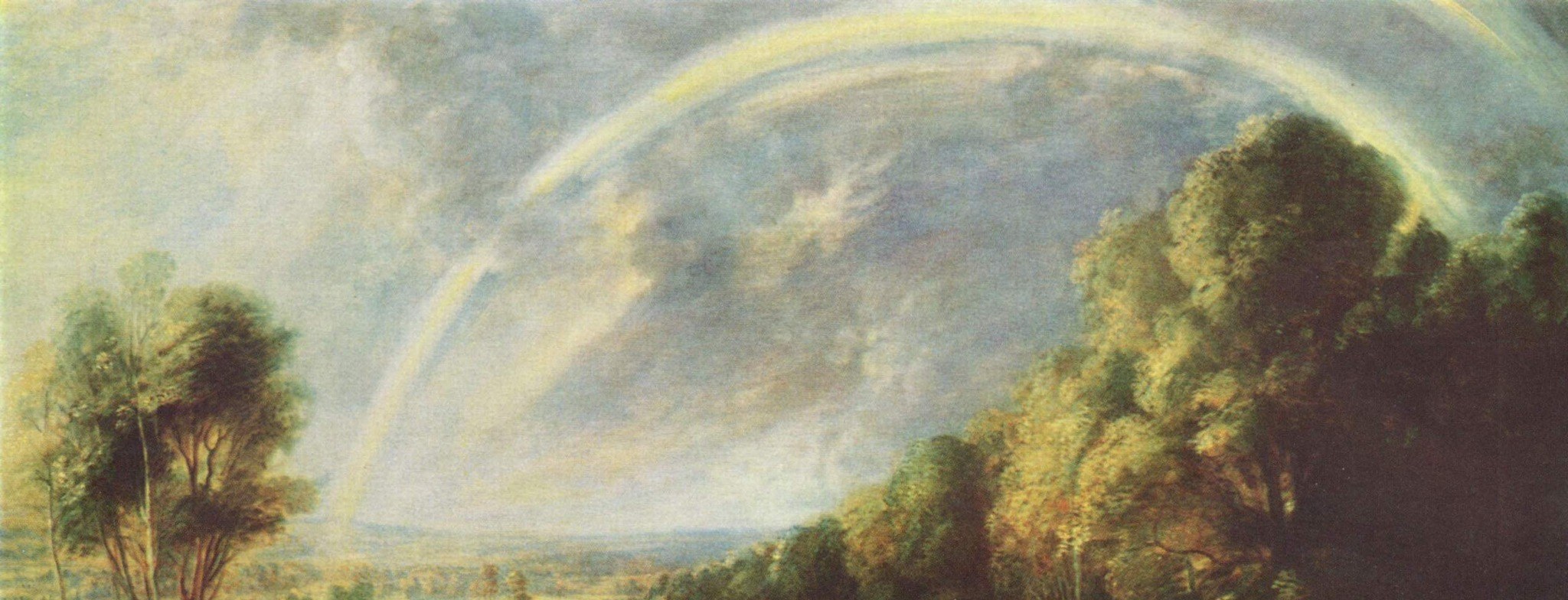
The Rainbow Landscape is a 1640 oil-on-panel painting by Peter Paul Rubens, now in the Alte Pinakothek in Munich. Created in the artist's final year, this piece is one of three autograph works he made on the same subject. It offers a harmonious blend of natural and mythological elements, characteristic of Rubens' late period.
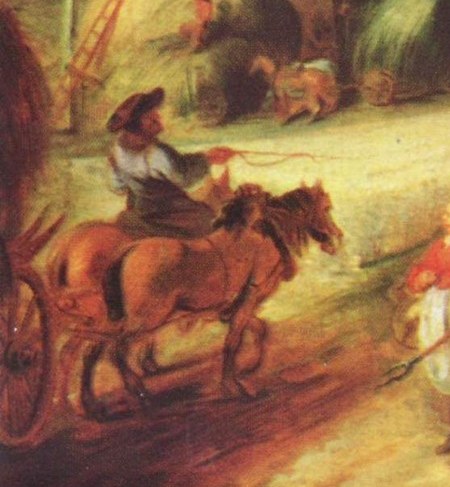
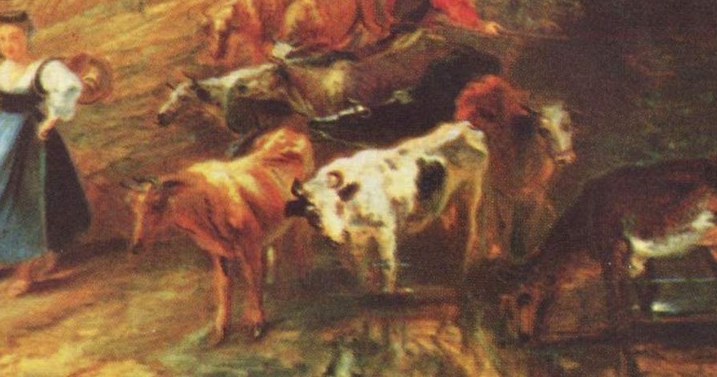
Observe the vivid rainbow arching across the sky, a powerful symbol of hope and divine promise. Notice the luminous light on the fields and the small figures in the middle ground, grounding the scene in human activity and suggesting a pastoral life. The dense foliage of the large tree on the right showcases Rubens' mastery of depicting nature.
This work represents a synthesis of Rubens' Flemish tradition and his engagement with Italian masters like Jan Bruegel the Elder and Annibale Carracci. It entered the collection of the Alte Pinakothek in Munich, where it remains on display.
Rubens left behind a legacy of dynamic compositions, rich color, and profound humanism. Does the rainbow offer a sense of peace after a storm?
Details
Transcript
The sky promises a new beginning. This painter made three versions. Light falls on the patient fields. He painted this in his last year. Look at the figures in the distance. A final, hopeful vision from a master.