Portrait of a Man (Self-Portrait?) by Willem Drost
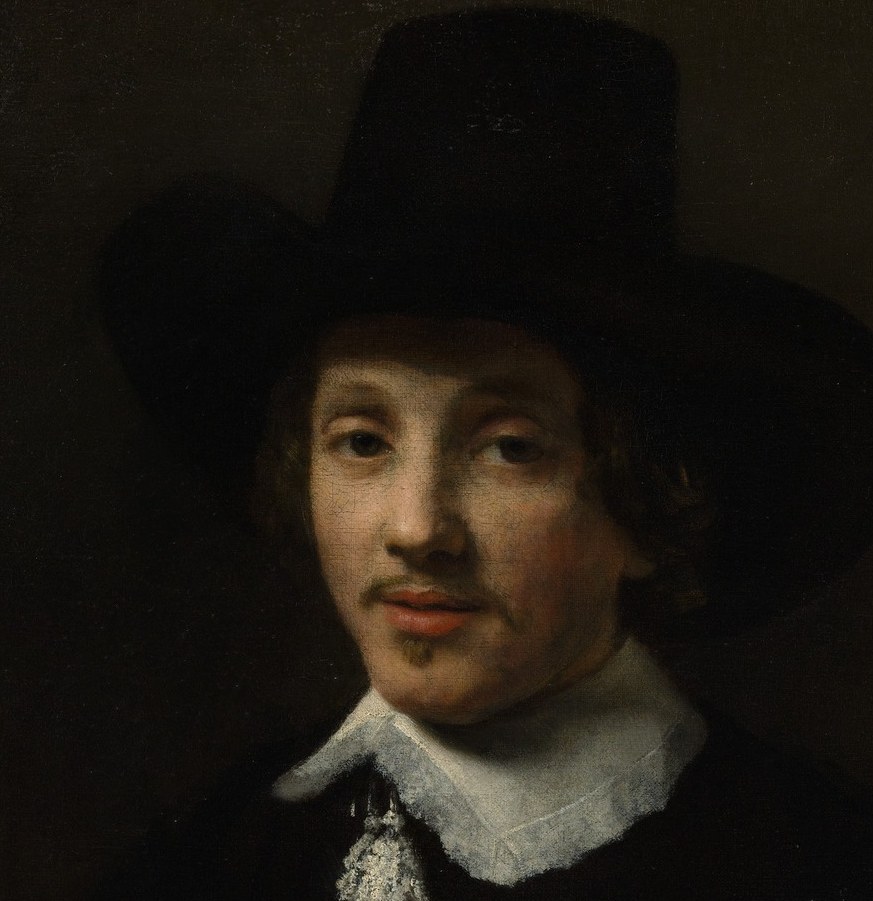
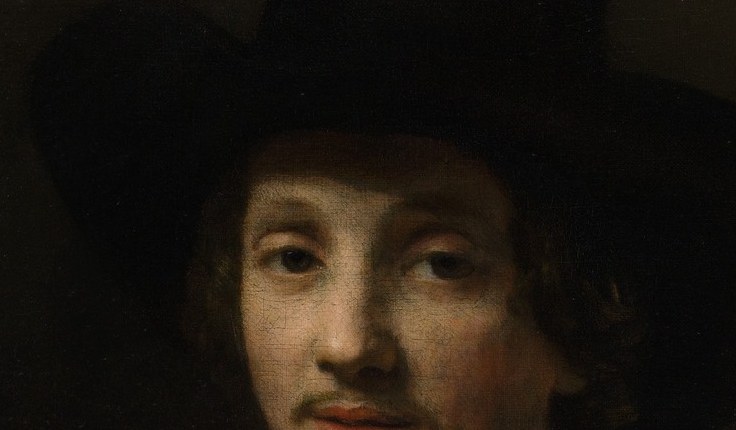
This is Willem Drost's 'Portrait of a Man (Self-Portrait?)' from 1654, now in a private collection. Drost was Rembrandt's most gifted pupil in Amsterdam, and he painted this when he was about twenty-one years old. The parenthetical question in the title is not philosophy: it is genuine uncertainty about whether this is the artist's own face.
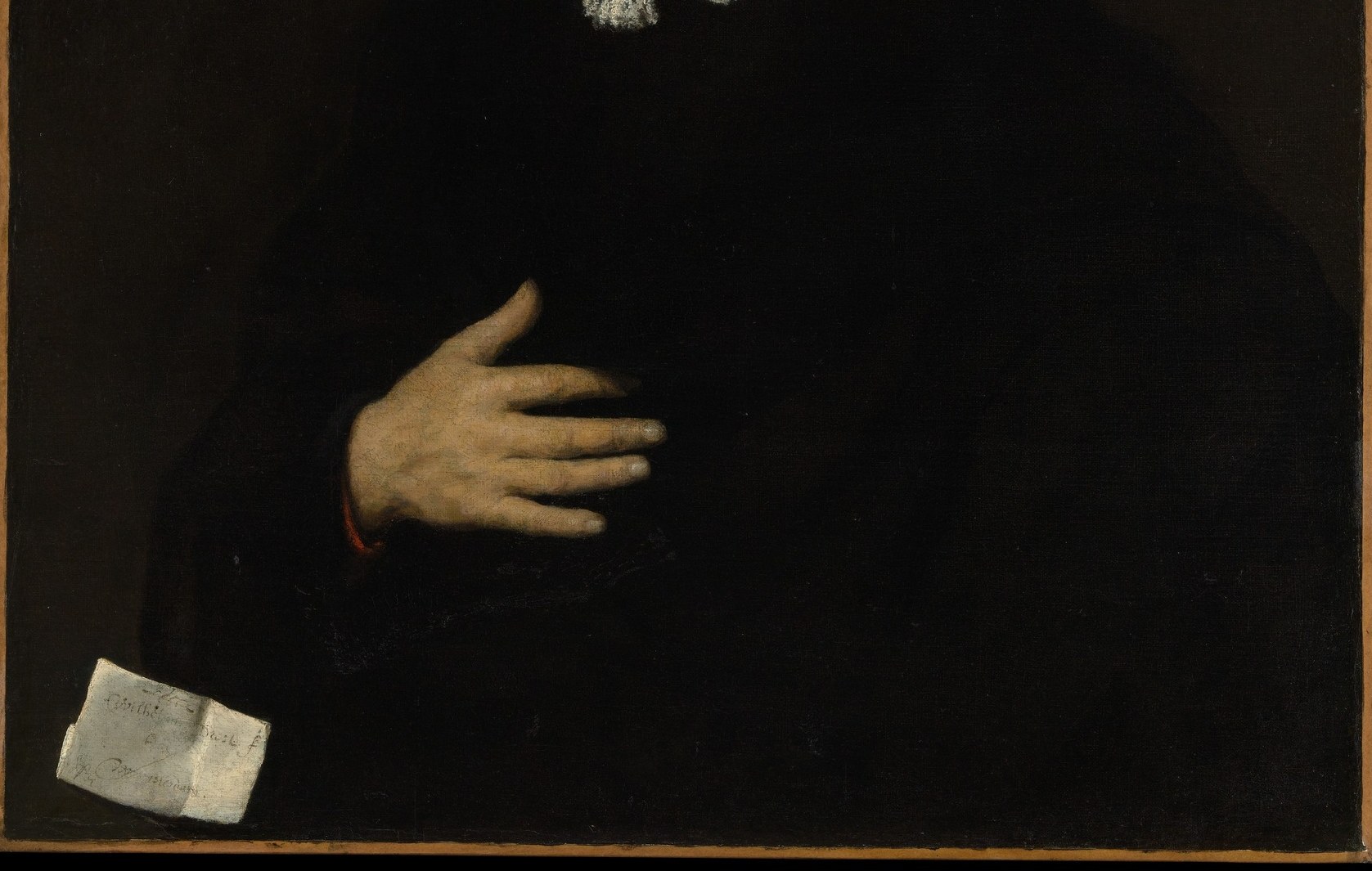
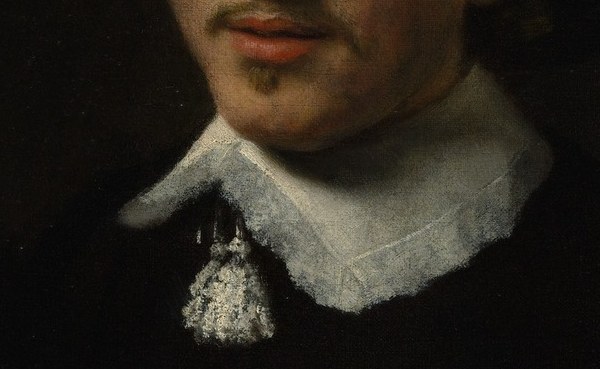
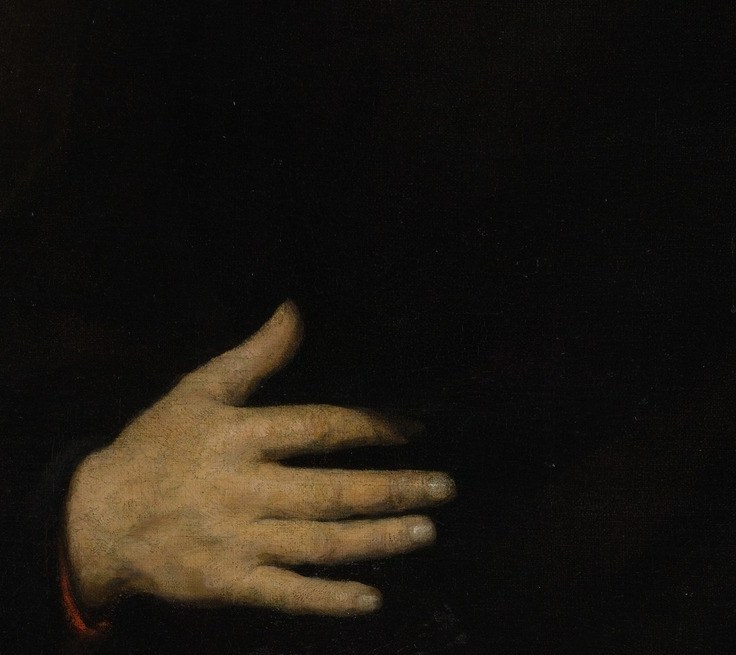
Look at the textural division. The face and hand are blended so smoothly they feel almost polished, while the dark coat and the void behind him are laid down in thick, directional strokes. The light hits the collar and jaw from the upper left, and the hat brim puts the eyes into shadow. The right hand rests on the chest: a rhetorical gesture that can read as a vow, a claim of self, or simple introspection.
Drost was baptized in 1633 and buried in 1659, only twenty-five years old. In that short window he produced a handful of works that are still sometimes mistaken for his teacher's. By the mid-1650s he appears to have left Amsterdam for Italy, and the documentary record goes dark. We do not know where he died, or why he stopped painting when he clearly had the ability. The void behind him in this portrait starts to feel less like a background and more like a premonition.
What do you read in the eyes? Is he holding something back, or has he already said everything he knows?
Details
Transcript
He painted this face in 1654. He was barely 21. The face is soft, almost tender. The coat is thick and fast. Willem Drost was Rembrandt's most gifted student. His teacher's light is here: the shadowed eyes, the lit jaw. And a hand pressed to the chest. A vow, or just a feeling. Six years after this, Drost would vanish from history. Probably to Italy. No one really knows. Nothing is certain.