明 佚名 朱德潤 怡樂堂圖 卷|Hall of Harmony and Joy by Zhu Derun|Unidentified artist
The "Hall of Harmony and Joy" handscroll, painted by Zhu Derun in 1649, is more than just a beautiful landscape; it's a visual poem filled with symbolic meaning. This ink and color on paper work, housed in a prominent museum, exemplifies the philosophical depth of traditional Chinese landscape art.
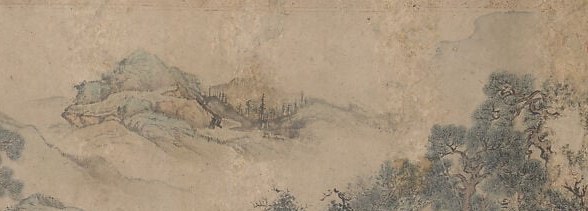
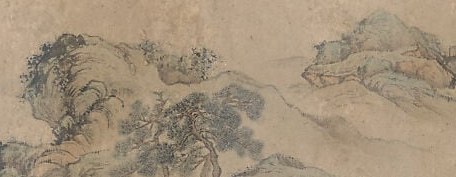
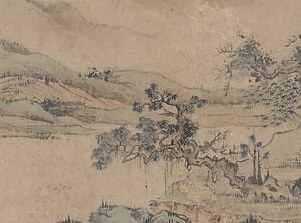
Observe the misty, layered mountains that recede into the distance. These are not merely atmospheric effects, but powerful symbols representing the vastness of the universe, spiritual transcendence, and the concept of immortality. The gnarled pine tree, a recurring motif in Chinese art, stands as a testament to endurance and resilience, thriving even in harsh conditions.
Created as a handscroll, this painting was meant to be unrolled slowly, inviting the viewer on a meditative journey through an idealized natural world. It allowed scholars and collectors to mentally escape the urban bustle and immerse themselves in a serene, contemplative space, reflecting on the enduring qualities of nature and the human spirit.
What other hidden meanings might you discover as you travel through this tranquil scene?
Details
Transcript
This 17th-century scroll invites you into a serene landscape. Misty mountains are not just scenery, but a symbol. They represent the vastness of the universe and immortality. This gnarled pine tree also carries deep meaning. Pines symbolize endurance and resilience through changing seasons. Together, they offer a path for quiet contemplation and escape.