Still Life of Fruit and Nuts by Giuseppe Ruoppolo
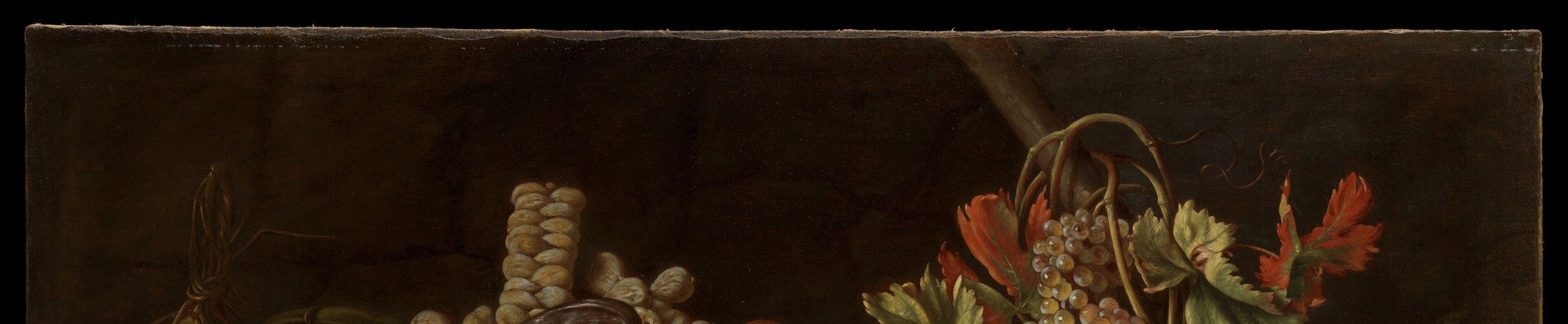
Giuseppe Ruoppolo's "Still Life of Fruit and Nuts," painted around 1664, is more than just a depiction of produce; it's a showcase of extraordinary technical skill. This oil painting, likely housed in a private collection given its still life genre, demonstrates the artist's command of light and shadow.
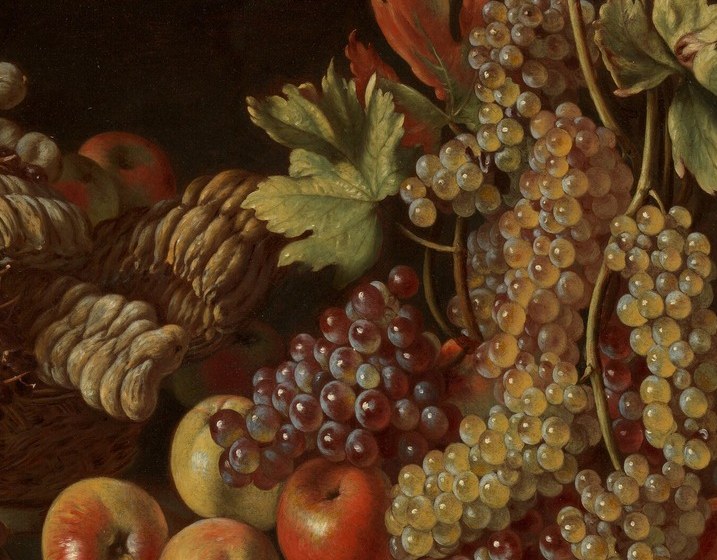
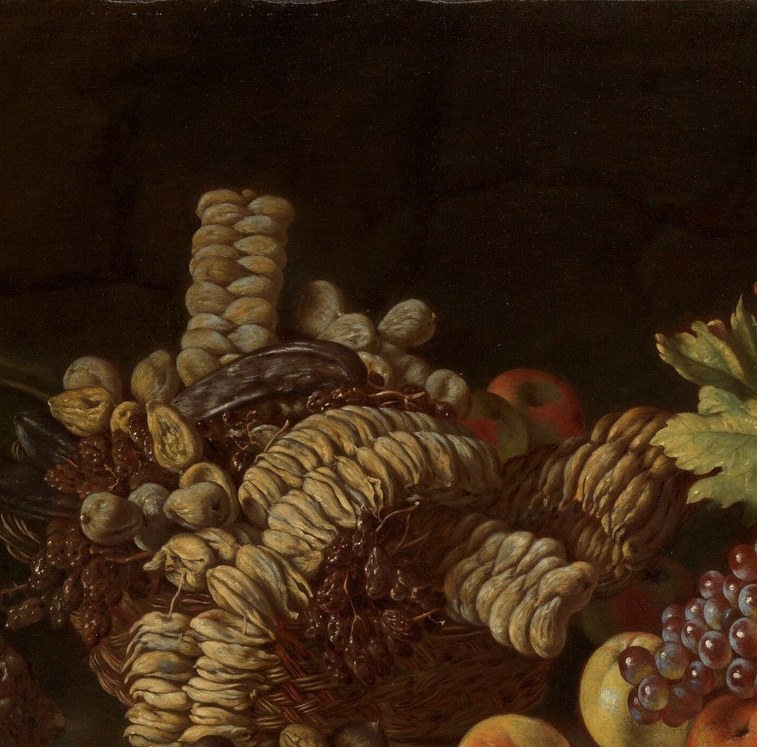
Look closely at the clusters of grapes, particularly the pale ones. Ruoppolo used tiny, precise dabs of white paint to create specular highlights, making each grape appear moist and perfectly rounded, as if catching the light itself. The deep, dark background, characteristic of Neapolitan still life, pushes the fruit forward, enhancing its three-dimensional quality and making it seem to emerge from the canvas.
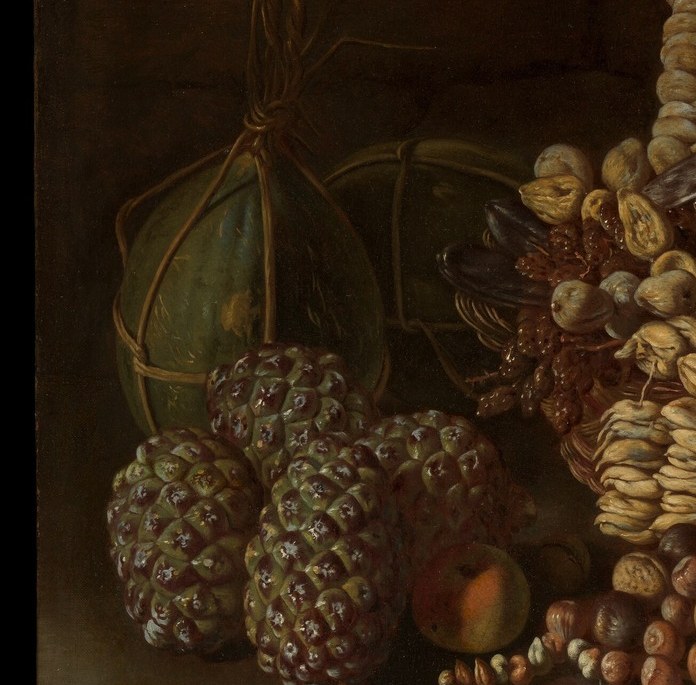
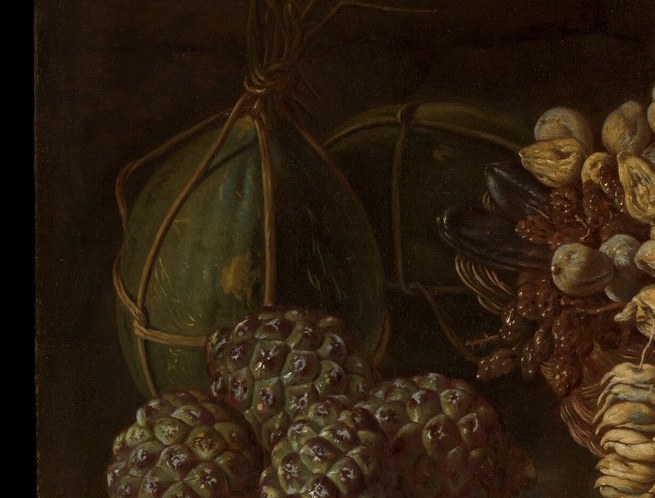
Ruoppolo was a Neapolitan artist known for his still life compositions. His ability to render textures, from the woven wicker basket to the smooth skin of apples and the rough surface of nuts, made his work highly sought after by collectors who appreciated this illusionistic precision.
It’s a reminder that even the most unassuming subjects can hold incredible artistic depth. What details do you notice first?
Details
Transcript
This still life by Giuseppe Ruoppolo seems straightforward, but isn't. He was a master of *chiaroscuro*, making objects emerge from darkness. Look at these grapes; they glow as if lit from within. Each tiny white dot is a specular highlight, conveying moisture and roundness. These effects make simple fruit almost unbelievably real. This mastery of light and texture was highly valued by collectors.