The Boar Hunt by Paulus Potter
Paulus Potter's *The Boar Hunt*, c. 1650, at the State Hermitage Museum, was not always celebrated. The artist intended to capture the raw power of nature, but viewers were shocked by its intense depiction of violence.
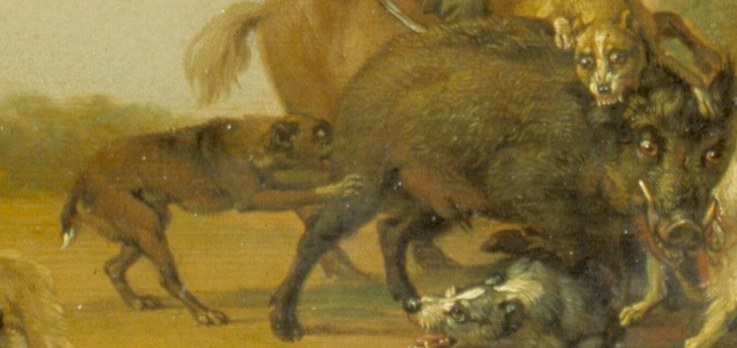
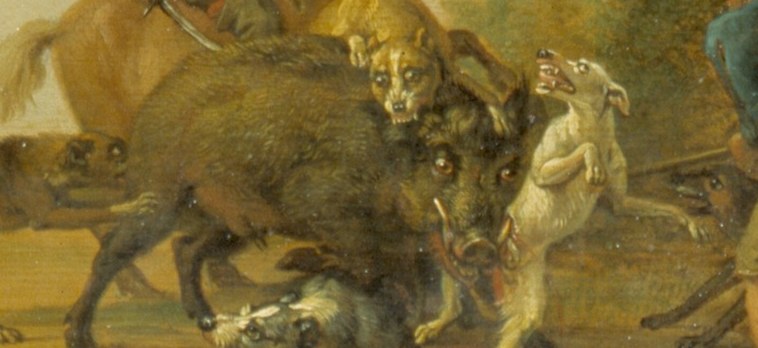
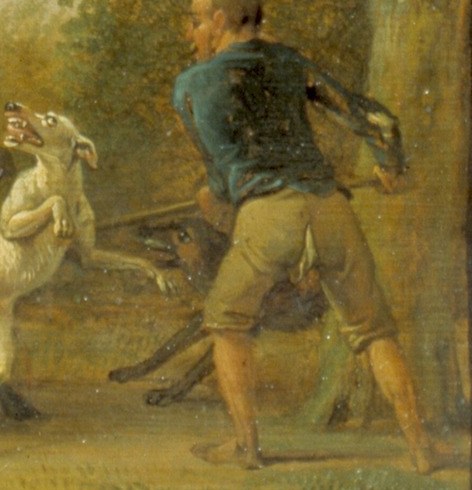
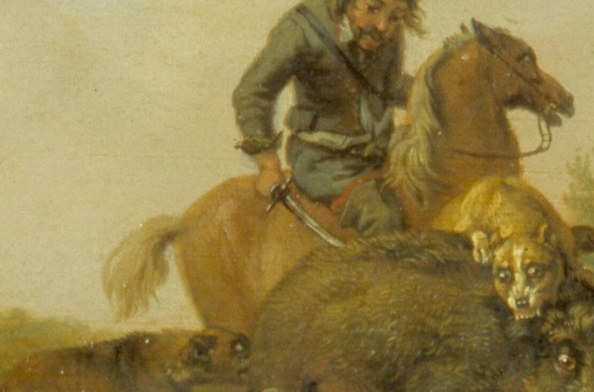
Look closely at the boar's powerful body and sharp tusks, cornered by attacking hounds and a hunter ready to strike. The visceral energy of the scene is undeniable, showcasing Potter's skill in rendering dynamic animal action.
Created during the Dutch Golden Age, this painting reflects a fascination with genre scenes and nature. However, its debut caused outrage, leading to the artist's rejection from the salon and nearly ruining his reputation. This controversy highlights the shifting tastes and sensitivities of the time.
What was considered savage then is now seen as a masterful study of primal conflict.
Details
Transcript
He thought he was showing nature's power. This depicts a wild boar hunt. Look at the boar's sharp tusks. The dogs attack with ferocity. A hunter prepares to strike. Critics saw only savage violence. The painter was rejected by the salon. His reputation was nearly ruined.