William III (1650-1702), Prince of Orange and since 1689, King of England by Caspar Netscher
This striking 1689 portrait of William III, Prince of Orange and newly crowned King of England, by Caspar Netscher, is held at the Rijksmuseum.
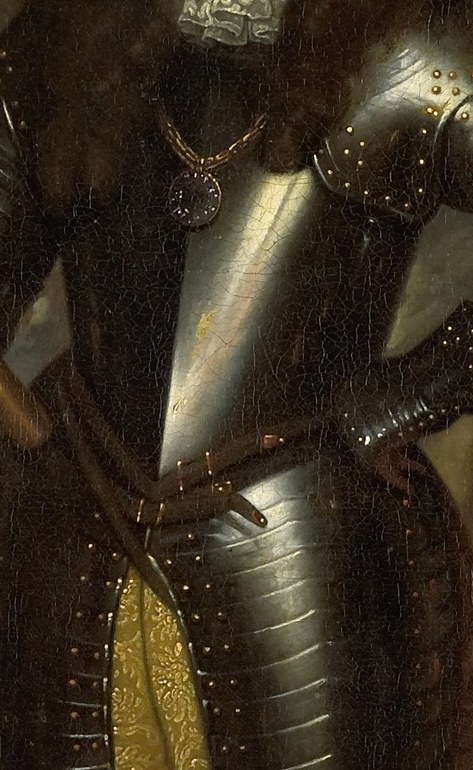
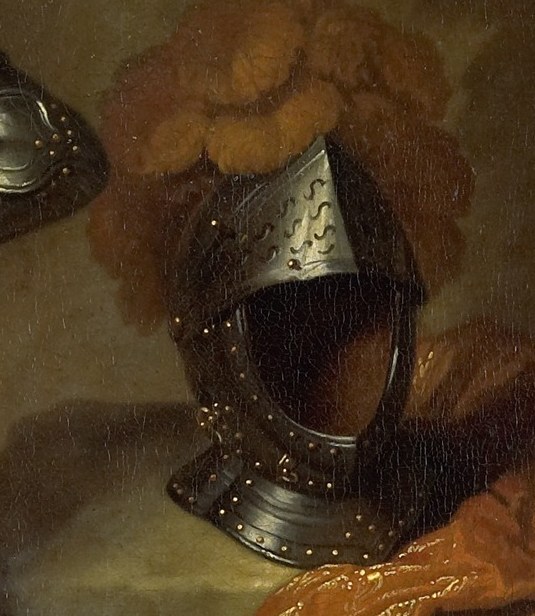
Notice the detailed armor and the plumed helmet, elements that emphasize his role as a military leader. His left hand holds a rolled document, a subtle but powerful symbol of his newly acquired authority and administrative power.
Painted in the year of his accession to the English throne, the work likely served a propagandistic purpose, solidifying his image as a strong, rightful ruler amidst the political upheavals of the Glorious Revolution. Netscher masterfully combines portraiture with historical narrative, a hallmark of Dutch court painting.
What details do you find most compelling about this depiction of power?
Details
Transcript
In 1689, William III became King of England. This portrait was painted to mark the occasion. He wears armor, signifying his military leadership. The plumed helmet suggests readiness for battle. His left hand holds a rolled document, symbolizing his authority. This portrait likely served a propagandistic purpose for the new king.